What Is Geranium Oil? Scent, Uses and How to Read a Bottle
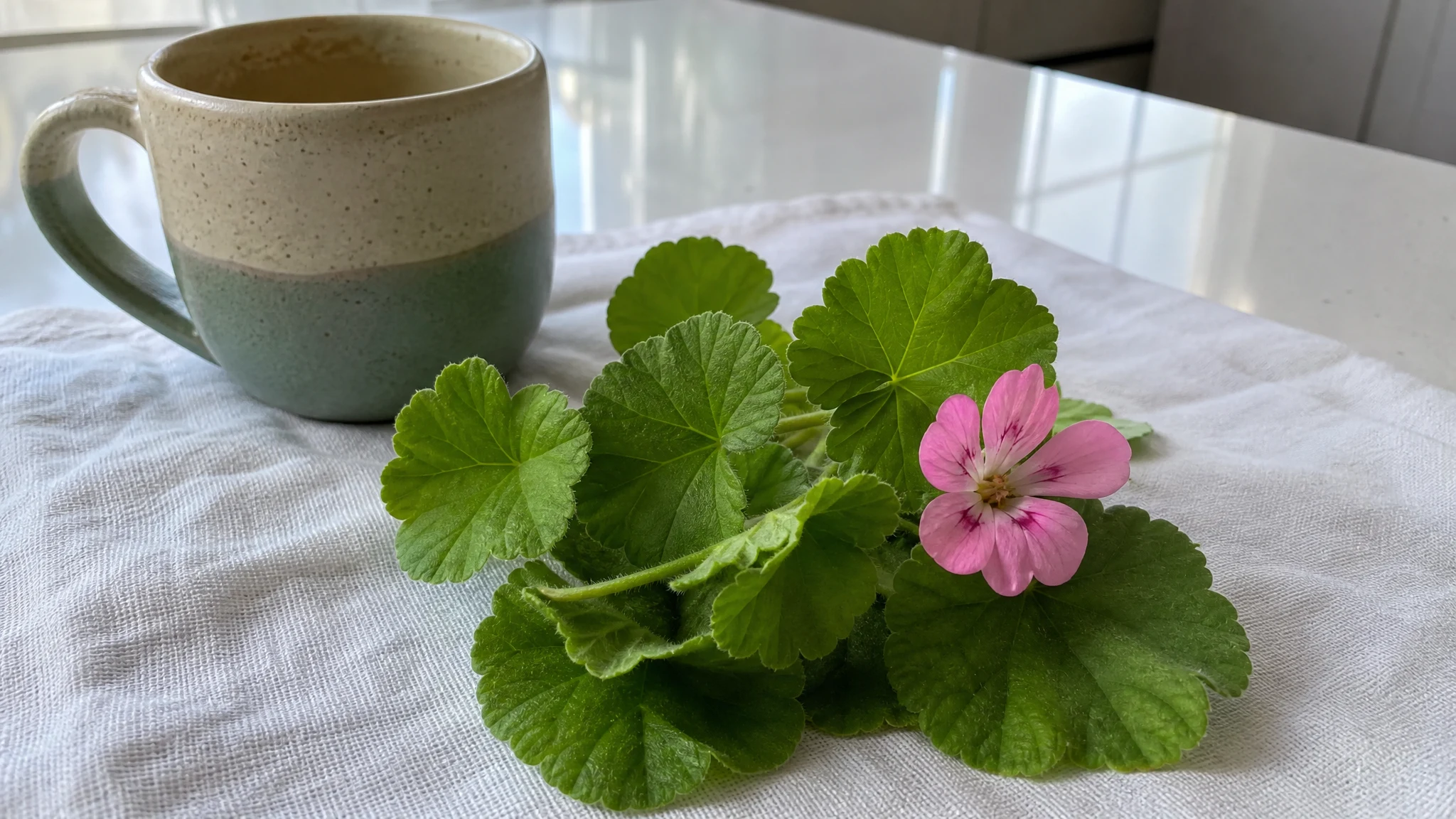
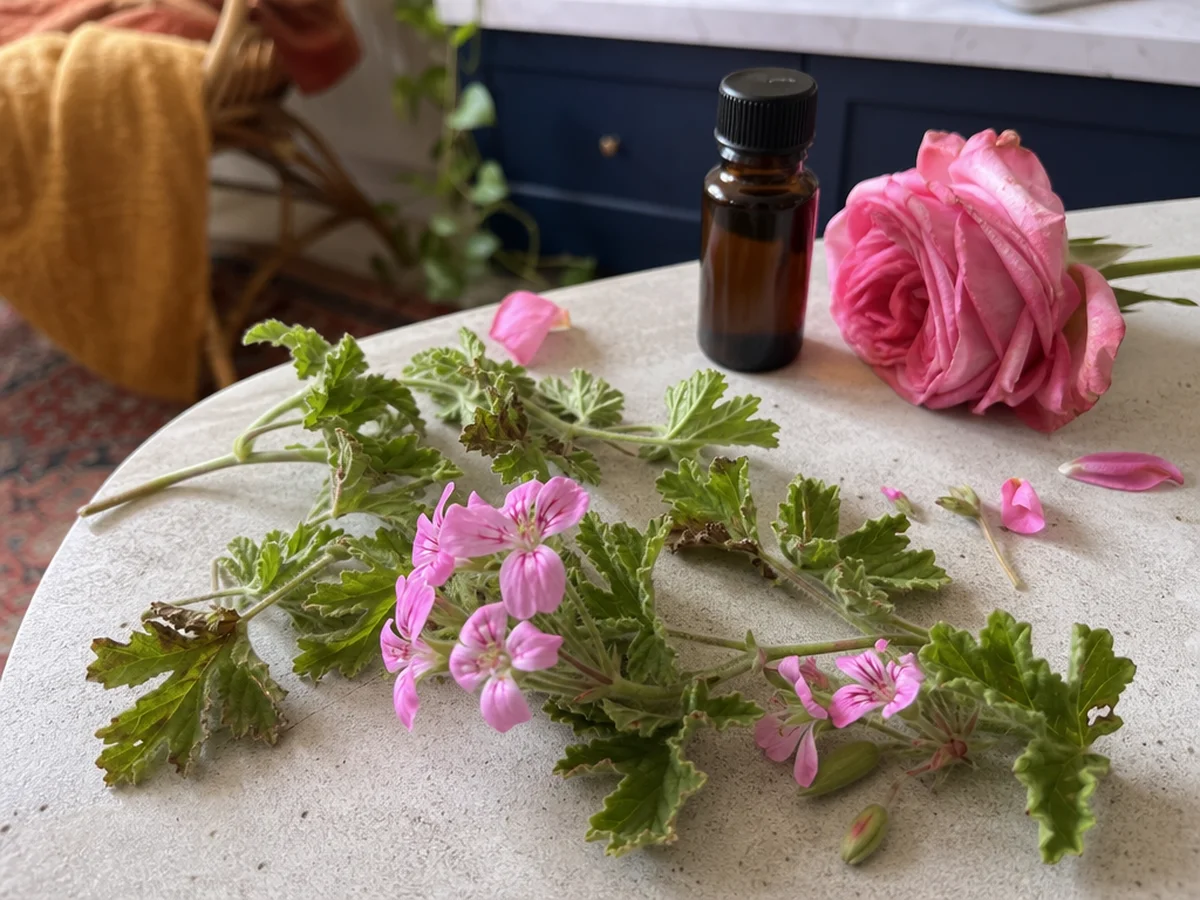
Geranium oil smells like a rose that has been picking leaves: sweet and floral first, then green, with a cool minty edge. It is steam-distilled from the leaves and stems of Pelargonium plants, a close cousin of the true geranium, and it has been the friendly, affordable partner to rose in perfumery for a long time. Here is a short tour of what it is and how to shop for it with confidence.
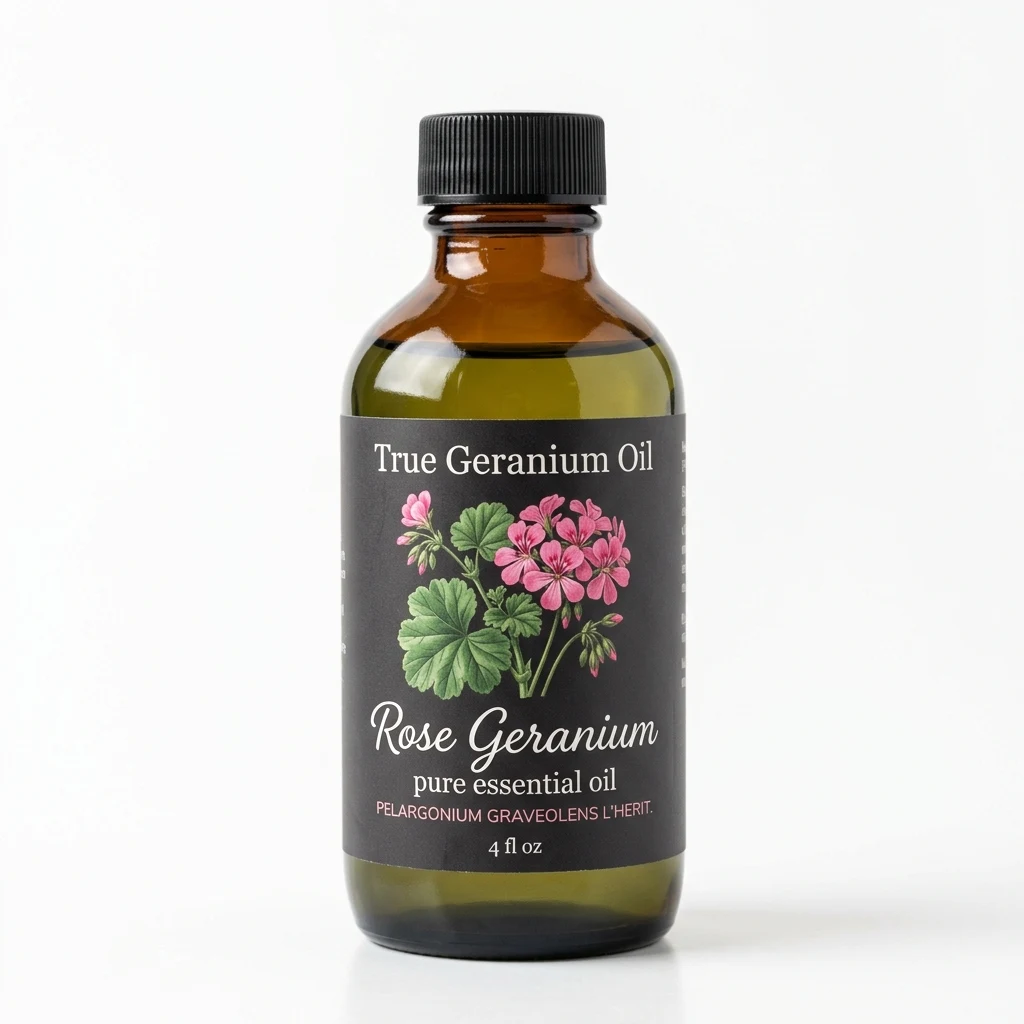
Rose Geranium Essential Oil
Our own Rose Geranium Essential Oil, in sizes from 0.5 oz to bulk.
From $24.99
Shop Now →A leaf oil, not a flower oil
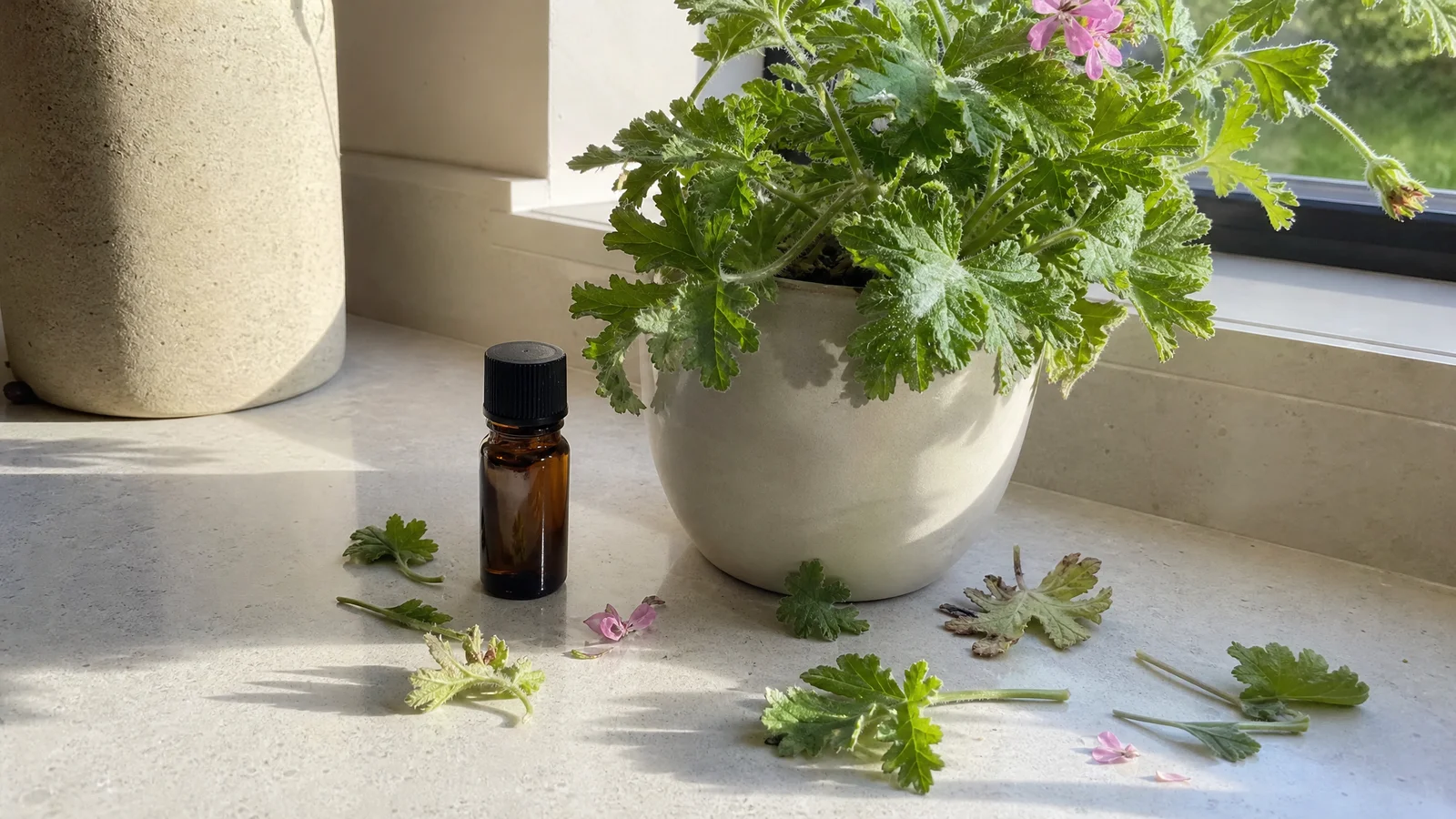
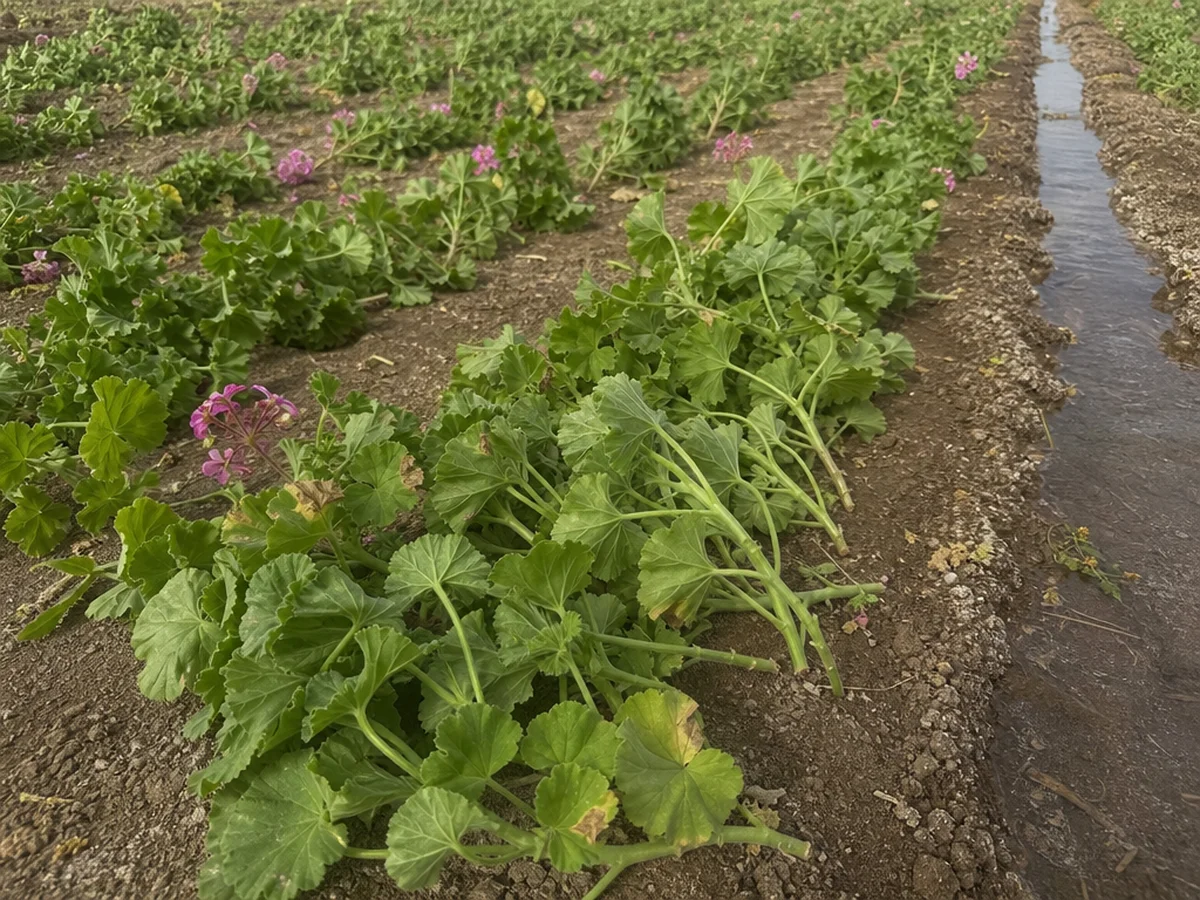
The oil trade's "geranium oil" is distilled from Pelargonium, the plant gardeners also call geranium, rather than from the flowers. The International Trade Centre report republished by the Tisserand Institute describes it as the oil distilled from the leaves of a number of species, varieties and strains of Pelargonium, concentrated in the leaves and young shoots (Tisserand Institute / ITC, 2015). Only a small fraction of a percent of the plant's weight comes out as oil, which is a good reason a bottle feels precious. The shop words it simply: steam-distilled from the leaves and stems. Our plant guide covers the botany and how the oil is made covers the still.
Why it reminds people of rose
A review of the plant calls the oil's fragrance very strong, pleasant and rosy with a minty top, and notes it is used as a substitute for the far more expensive rose oil (Narnoliya et al., 2019). The chemistry helps explain it. Citronellol and geraniol, two of its main molecules, are also found in rose, and IFRA lists the typical geraniol share as 17.7 percent for both oils (IFRA annex, 2023). Rose still has depth and nuance of its own, though, so we like to describe geranium as geranium and enjoy it for its own green-rosy character. The chemistry of those two molecules and the comparison with rose otto go deeper.
No two geraniums are quite alike
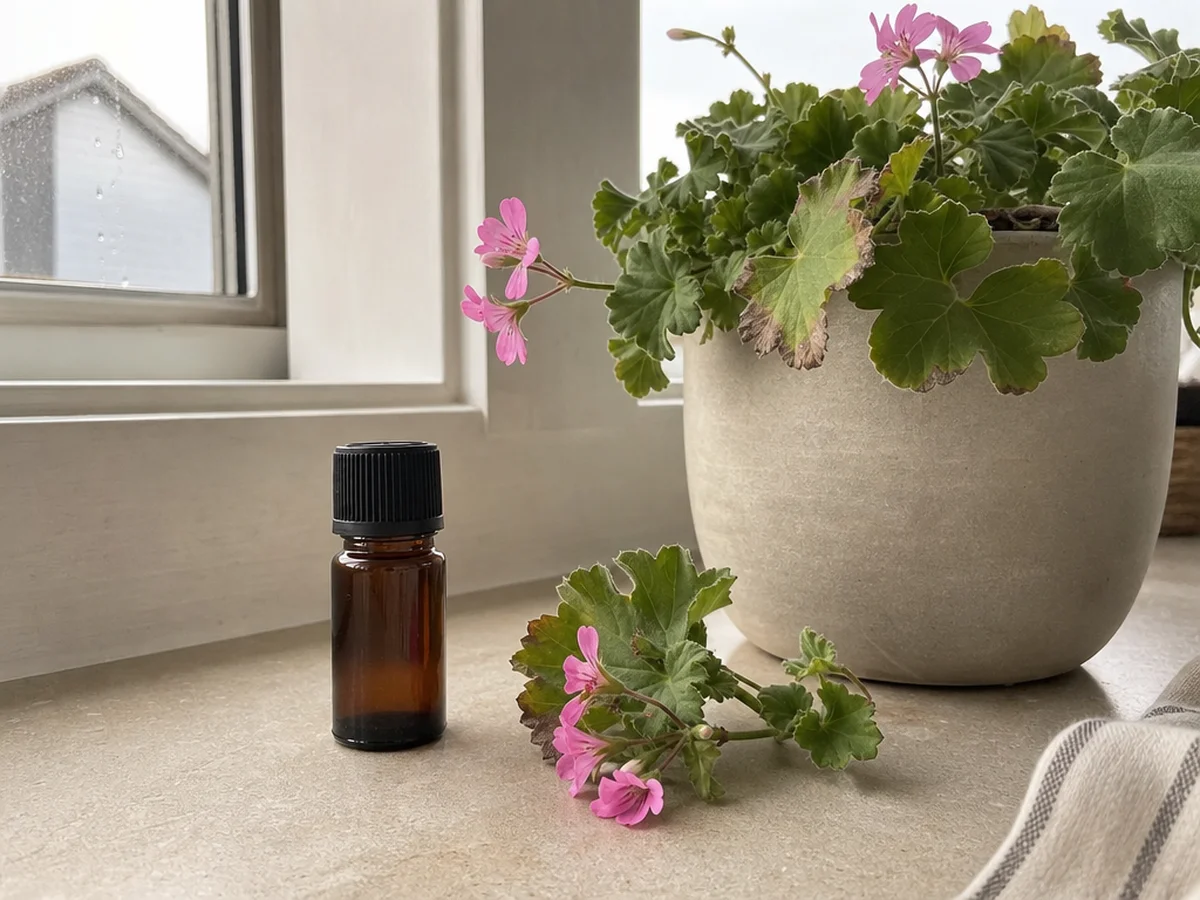
Here is the part we find most fun. Almost all the cultivars grown around the world are sterile hybrids propagated from cuttings, and EFSA's panel noted that the exact identity of the pelargoniums used for oil is conjectural because so many cultivars and hybrids are in use (EFSA, 2023). The result is an oil with a family resemblance but plenty of individuality. ITC's Chinese-type oil, for instance, has more citronellol and less geraniol than its Egyptian-type oil. It is a bit like wine: the name tells you the family, and the year, place and plant tell you the rest.
What is in the bottle
EFSA describes its geranium rose oil as a yellow to amber, clear, slightly viscous liquid with a characteristic odour. Its specification for oil from North African plants has citronellol at 25 to 36 percent and geraniol at 10 to 18, with citronellyl formate, linalool and isomenthone each in the 4 to 9 percent range and a touch of rose oxide. Those are the headline notes; the many smaller ones are what make it complex. If you are handed a percentage, it helps to ask which method produced it, because the panel's GC-FID and GC-MS results on the same five batches differed by a few points. Our GC-MS guide explains why.
Meeting it for the first time
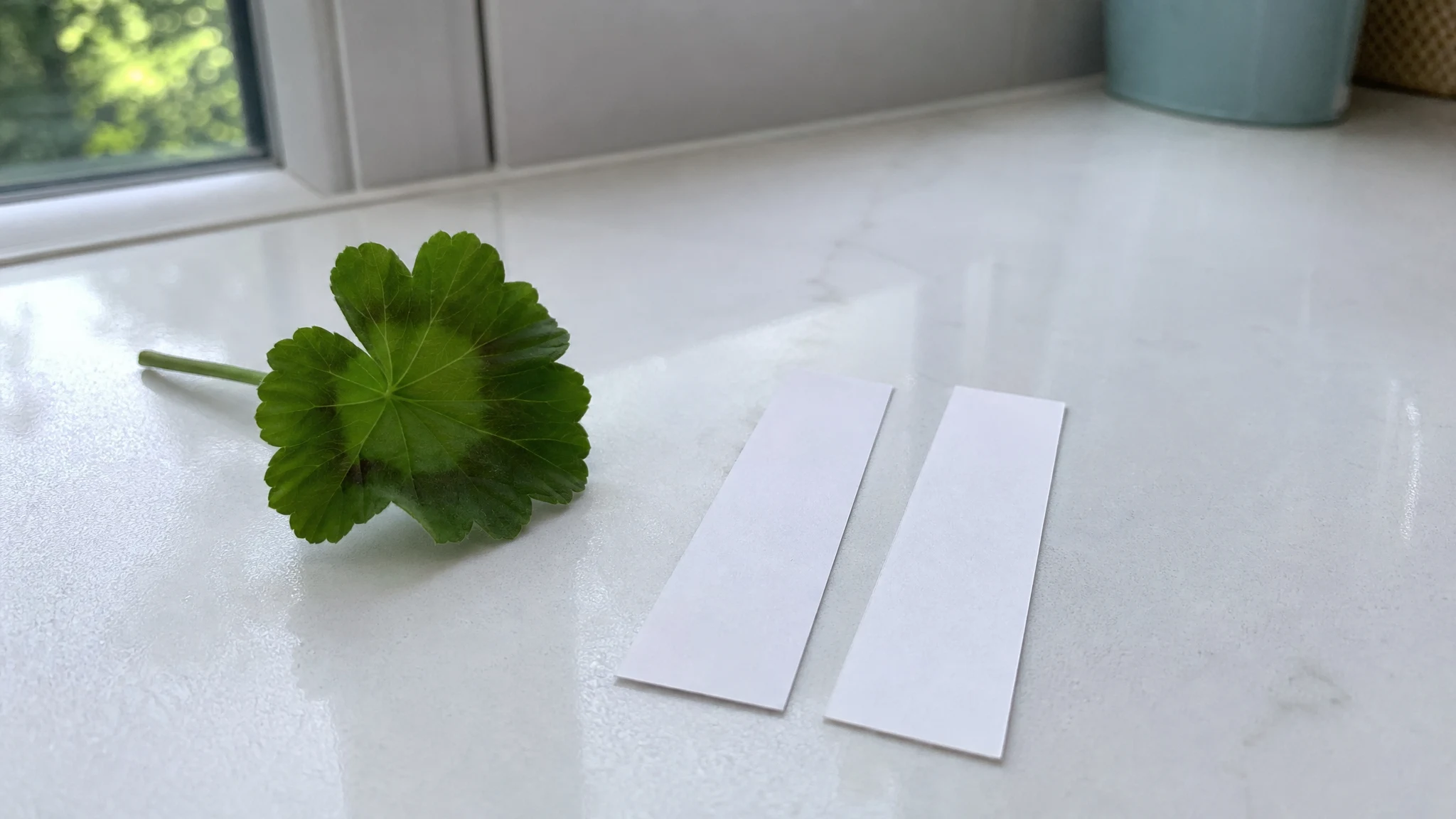
The best introduction is the simplest one. Put a drop on a paper strip, hold it a little way from your nose and breathe in slowly. You will probably notice the rose first, then the leafier green, then a cool, minty edge that keeps the sweetness from feeling heavy. Smell it again after ten minutes and again after an hour, because it keeps changing as it settles.
Where to start
If you are new to it, begin with a gentle project, such as a few drops in a diffuser blend with lavender or bergamot, or a body oil you mix yourself, and keep notes on what you liked. Geranium is friendly to blend with, so you can add one oil at a time and learn how it behaves.
Using it, and using it well
Geranium oil is a cosmetic and aroma ingredient. The shop lists both of its geranium oils as a middle note that blends with bergamot, lavender, sandalwood, clary sage, ylang ylang and patchouli, for diffusers, diluted facial or body oils, soaps and creams, and linen sprays. The uses guide sorts those by what limits each one. Like most essential oils, it is concentrated: we say to dilute to 0.5 to 2 percent in a carrier for skin, patch test first, keep it from eyes, children and pets, and not to take it internally, and EFSA's panel classes its geranium rose oil as a skin and respiratory sensitiser. The safety guide has the detail. We sell an external cosmetic oil, so for any medical question, a pharmacist or physician is the right person to ask.
Reading a bottle
Three questions make a bottle easy to read. Is the Latin name on the label, and is it a Pelargonium? Does the seller say whether it is distilled or extracted? And will they put the analysis in writing, with the method named? The Certificate of Analysis we publish covers one batch of "True Geranium Oil" and reports a relative density of 0.881 and a refractive index of 1.470, both inside the ranges printed on it. It has no composition table, so if you need constituent data, origin or an allergen declaration, ask us in writing before you order. When you are ready, the Geranium Essential Oil and Rose Geranium Essential Oil pages list every size.
However you meet it, a drop on a paper strip is enough to tell you whether the rosy-green scent is for you.
Rose Geranium Essential Oil
Rose Geranium Essential Oil from our own shop, in sizes from 0.5 oz to bulk.
From $24.99
Shop Now →Sources & Further Reading
- Tisserand Institute, republishing ITC Market Insider, 2015. Geranium oil history and cultivation. tisserandinstitute.org
- Narnoliya LK, Jadaun JS, Singh SP, 2019. The phytochemical composition, biological effects and biotechnological approaches to the production of high-value essential oil from geranium. PMC7122831
- EFSA FEEDAP Panel, 2023. Geranium rose oil, EFSA Journal 21(7):e08161. PMC10373134
- IFRA, 2023. Annex on contributions from other sources, 51st Amendment. IFRA annex