How to Scent Soap With Geranium Oil: A Starter Guide
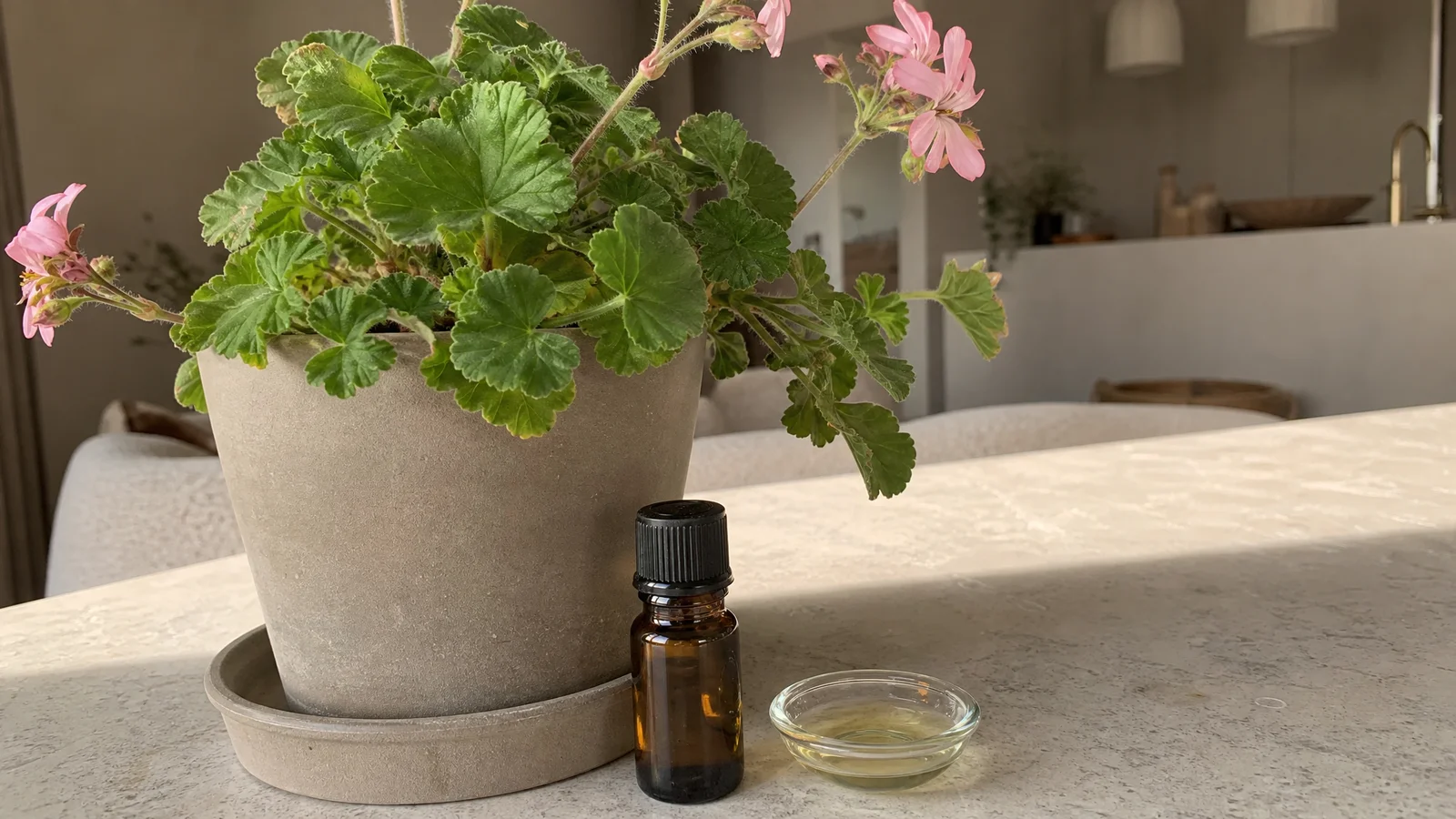
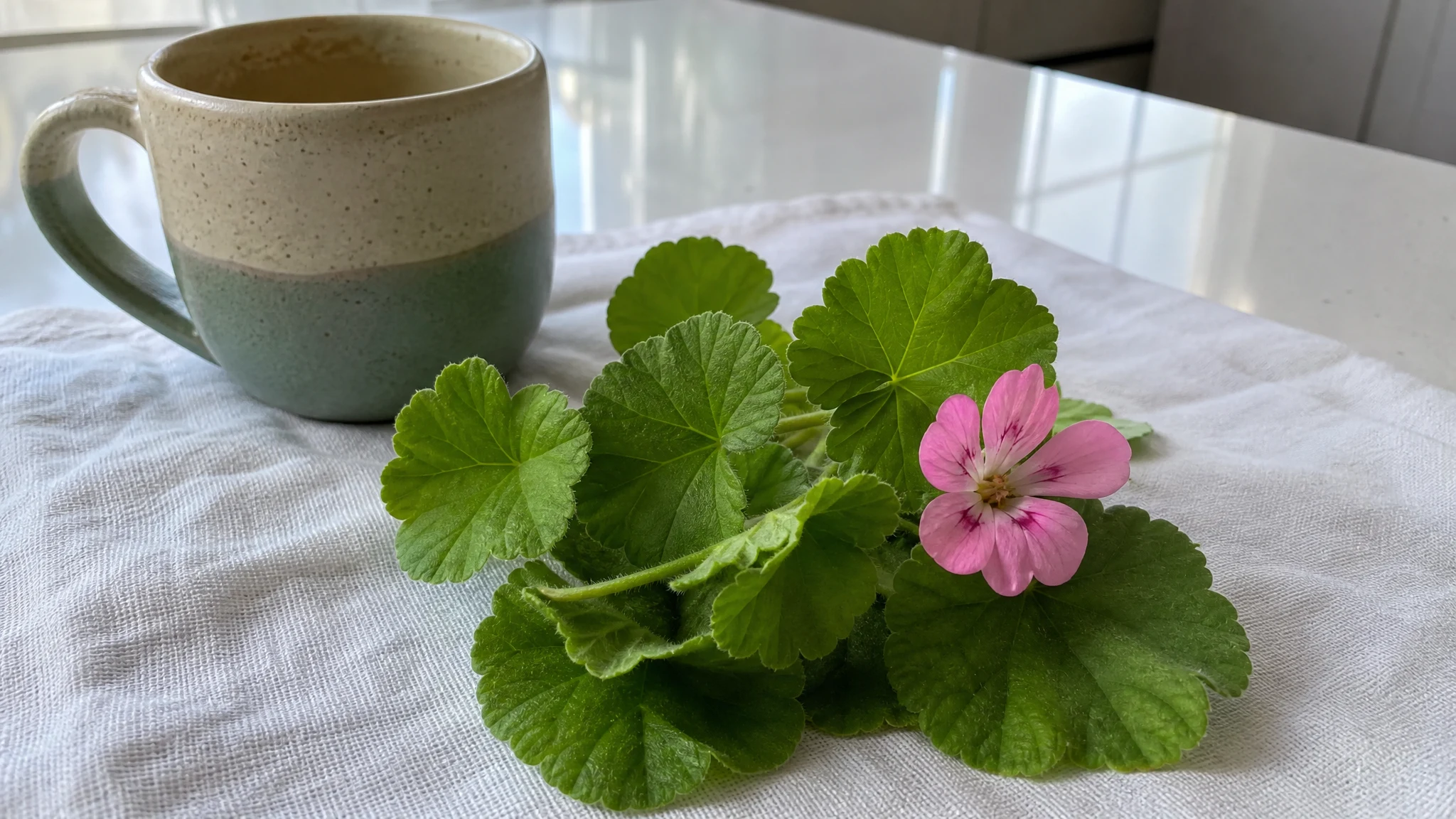
Few essential oils smell as much like a rose garden as geranium, which is a big part of why it turns up in soap. A bar scented with it can be green, floral and a little minty all at once. Getting there is less about counting drops than about a few early choices: how you make the soap, how much oil goes in, and what the label has to say.
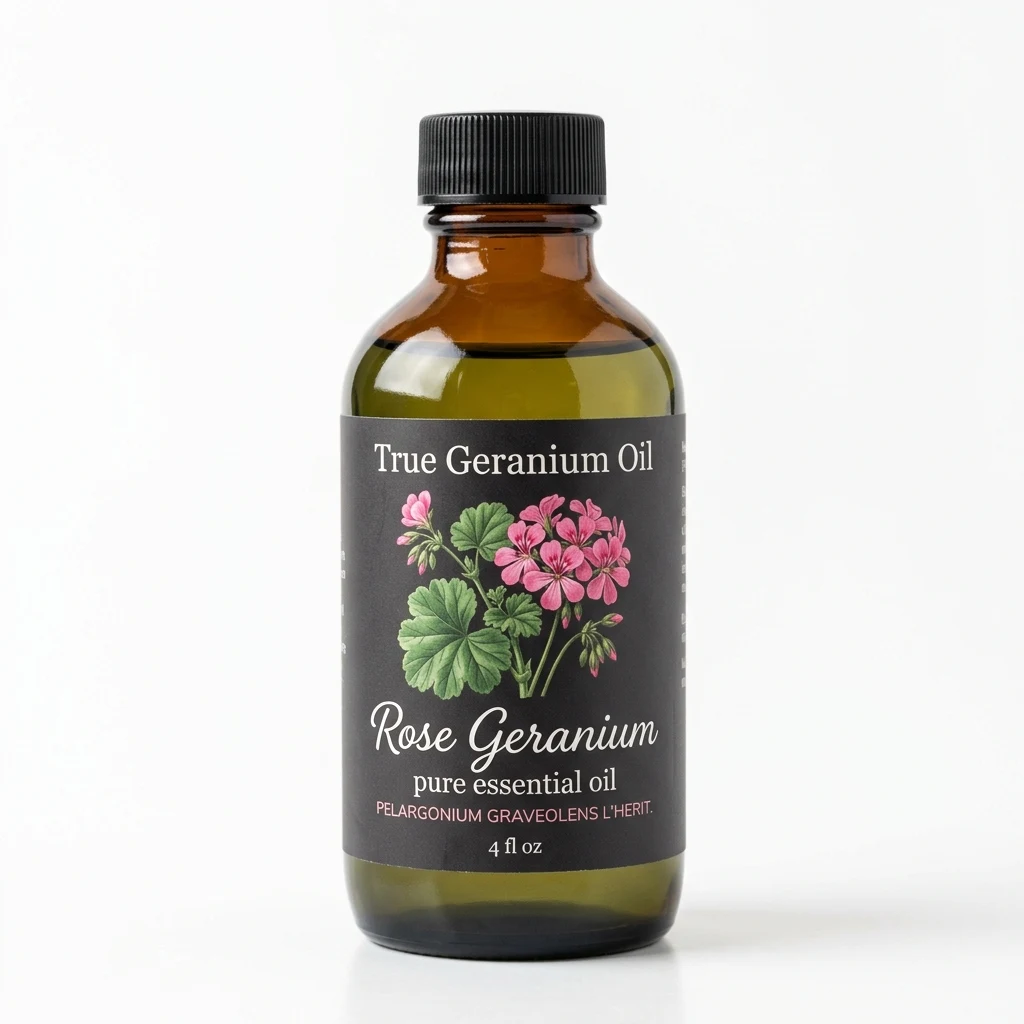
Rose Geranium Essential Oil
Our own Rose Geranium Essential Oil, in sizes from 0.5 oz to bulk.
From $24.99
Shop Now →Pick your method first
Cold process and hot process soap are made from fats and lye (sodium hydroxide), and that is the one step that deserves respect. NIOSH lists irritation and burns to eyes and skin, and says to irrigate the eyes immediately (CDC/NIOSH, 2019). The usual habits are goggles, long sleeves, good ventilation, and adding lye to water slowly, never the other way round. If you have never worked with lye, a class with an experienced soap maker is a better start than any written guide.
Melt and pour skips the lye entirely, since you begin with a ready-made base, and the base maker sets how much fragrance it can carry. Our melt and pour guide covers rates in grams. Fats, lye, bases, molds and a scale come from a soap-making supplier; we sell the two geranium oils.
What counts as soap
This is more interesting than it sounds. FDA reserves the word for products where the bulk of the nonvolatile matter is an alkali salt of fatty acids and that are labeled and sold solely as soap; those are overseen by the Consumer Product Safety Commission. A cleansing bar that is also meant to fragrance or moisturize is regulated as a cosmetic (FDA). Either way, describe the bar and its scent, and leave out promises about skin conditions or mood. The selling guide goes through the rules in order.
How much geranium oil
Here is the number most makers are after. A comfortable range, worked out from the figures below rather than from our own batches, is 1.5% to 2% of the weight of your oils, with 2.5% as a ceiling, weighed on a scale rather than counted in drops. Retailer guidance runs higher for fragrance in general, at 0.7 to 1 ounce per pound of oils, but it reduces the rate for essential oils and gives no figure for geranium (Wholesale Supplies Plus, 2025). Starting lower leaves room to go up once you have smelled a cured bar.
Standards are not what hold you back here. IFRA puts rinse-off soap in category 9 and caps geraniol, one of geranium oil's two largest constituents, at 2.8% of the finished product (IFRA Standard 037, 2023). IFRA's table lists a typical geranium oil at about 17.7% geraniol (IFRA annex, 2023). Dividing 2.8 by 0.177 gives about 15.8% geranium oil in the bar. A recipe with oils at around two thirds of batter weight and geranium at 2.5% of oils lands near 1.7% of the finished bar, roughly nine times under that figure. That is arithmetic for a typical oil, not for a particular batch, but it shows that scent strength and skin comfort set your rate. The usage-rate post shows the workings and the cold process formulation puts them into a full recipe.
What goes on the label
In the EU, Regulation 2023/1545 added Pelargonium graveolens oil to the fragrance allergens that must appear in the ingredient list above 0.01% in rinse-off products, with transition dates running to 31 July 2026 for placing on the market and 31 July 2028 for making available (European Commission, 2023). A bar at 1.7% is far above that. For the US, see our labeling guide.
EFSA's opinion on geranium rose oil describes it as irritant to skin and eyes and a skin and respiratory sensitiser (EFSA FEEDAP, 2023). That was a feed-additive assessment, so it is not a ruling on your bar, but it is a good reason to make one small batch, let it cure, and try the finished soap on your own skin before gifting any. Geranium is also best avoided in soap for babies, or for anyone with a fragrance allergy, unless a dermatologist or allergist says otherwise.
A checklist before you pour
- Goggles, gloves and long sleeves on, and a clear counter with no distractions.
- Oils, lye and water weighed out and written down, with the scent weighed in a separate cup.
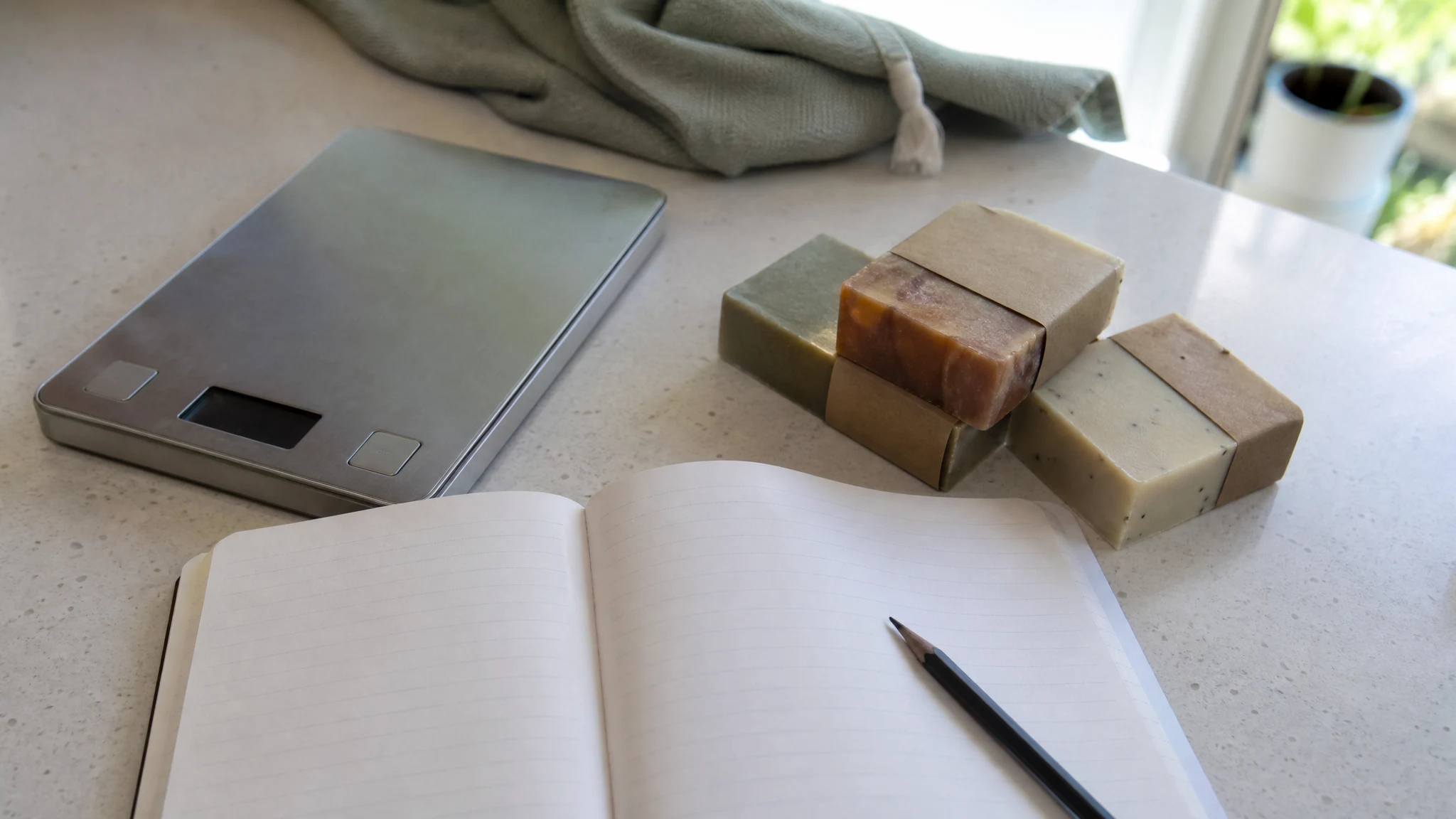
- A notebook open for the rate, the temperatures and the date.
- A spot picked for the mould where it will not be moved while the soap sets.
- A label ready for the finished bars, with the cure date.
Five minutes of preparation is the difference between an easy pour and a scramble.
Choosing between our two oils
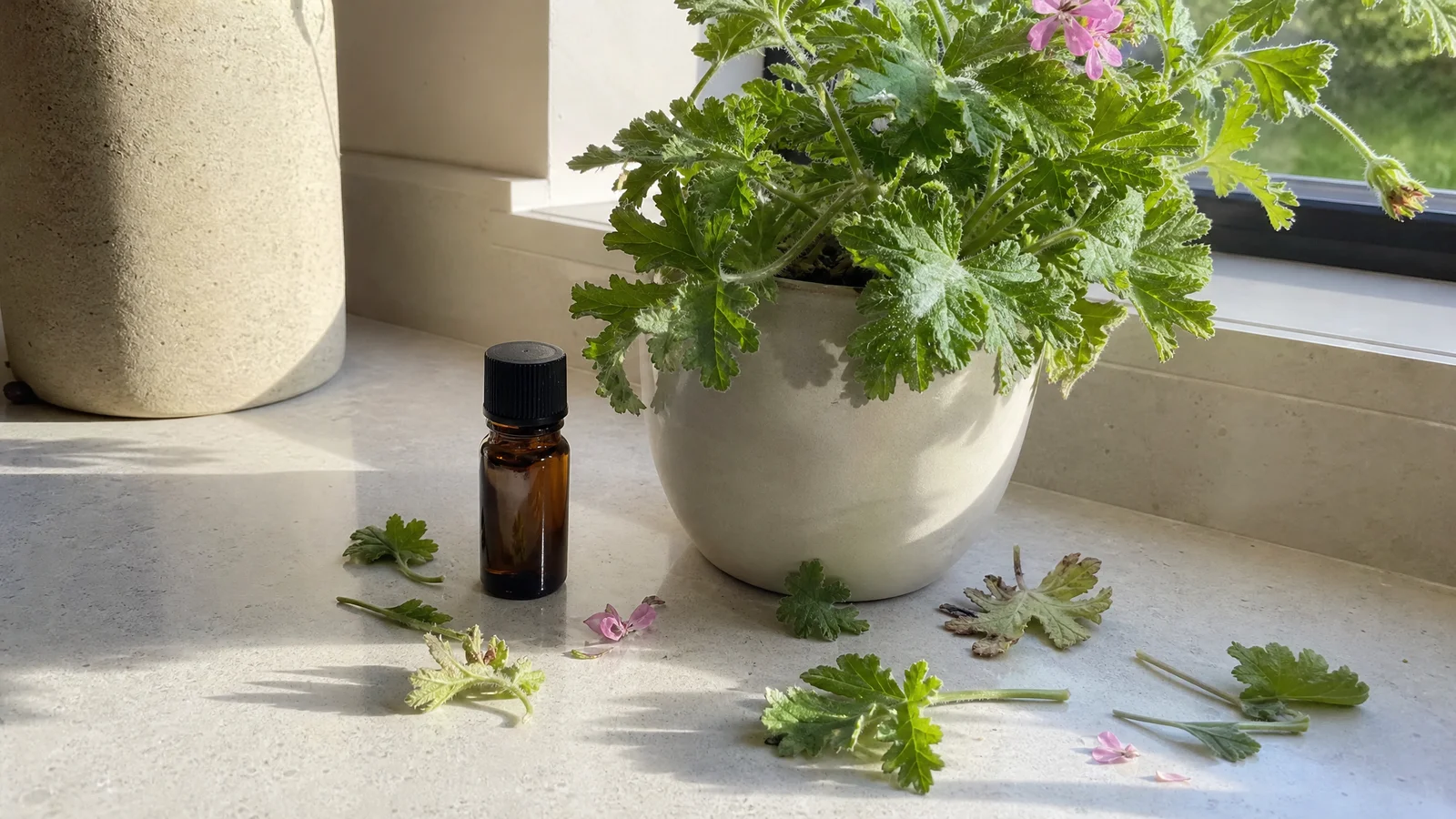
We call Geranium Essential Oil "rosy, green, and lively" and Rose Geranium "the rosier of the pair," and our Rose Geranium page suggests the oil for soap and candles. A half-ounce bottle of either goes a long way in a small batch. The Certificate of Analysis we publish covers one batch and reports relative density and refractive index. If your insurer, retailer or regulator needs GC-MS, an allergen declaration, an IFRA certificate or a safety data sheet, ask us in writing before ordering. The wholesale page offers sample bottles, and the Rose Geranium Essential Oil and Geranium Essential Oil pages list every size.
Make a small test batch, give it its full cure, and judge the scent then. The bar is not at its best on day one, so give it time.
Rose Geranium Essential Oil
Rose Geranium Essential Oil from our own shop, in sizes from 0.5 oz to bulk.
From $24.99
Shop Now →Sources & Further Reading
- CDC/NIOSH, 2019. Pocket Guide to Chemical Hazards: sodium hydroxide. cdc.gov/niosh/npg/npgd0565
- FDA. Is it a cosmetic, a drug, or both? (Or is it soap?) fda.gov
- IFRA, 2023. Standard 037 Geraniol, and Annex on contributions from other sources (51st Amendment). IFRA_STD_037
- European Commission, 2023. Regulation (EU) 2023/1545 amending Annex III to Regulation (EC) 1223/2009. publications.europa.eu
- EFSA FEEDAP Panel, 2023. Safety and efficacy of geranium rose oil as a feed flavouring. PMC10373134
- Wholesale Supplies Plus, 2025. Testing fragrances in cold process soap (supplier guidance). wholesalesuppliesplus.com