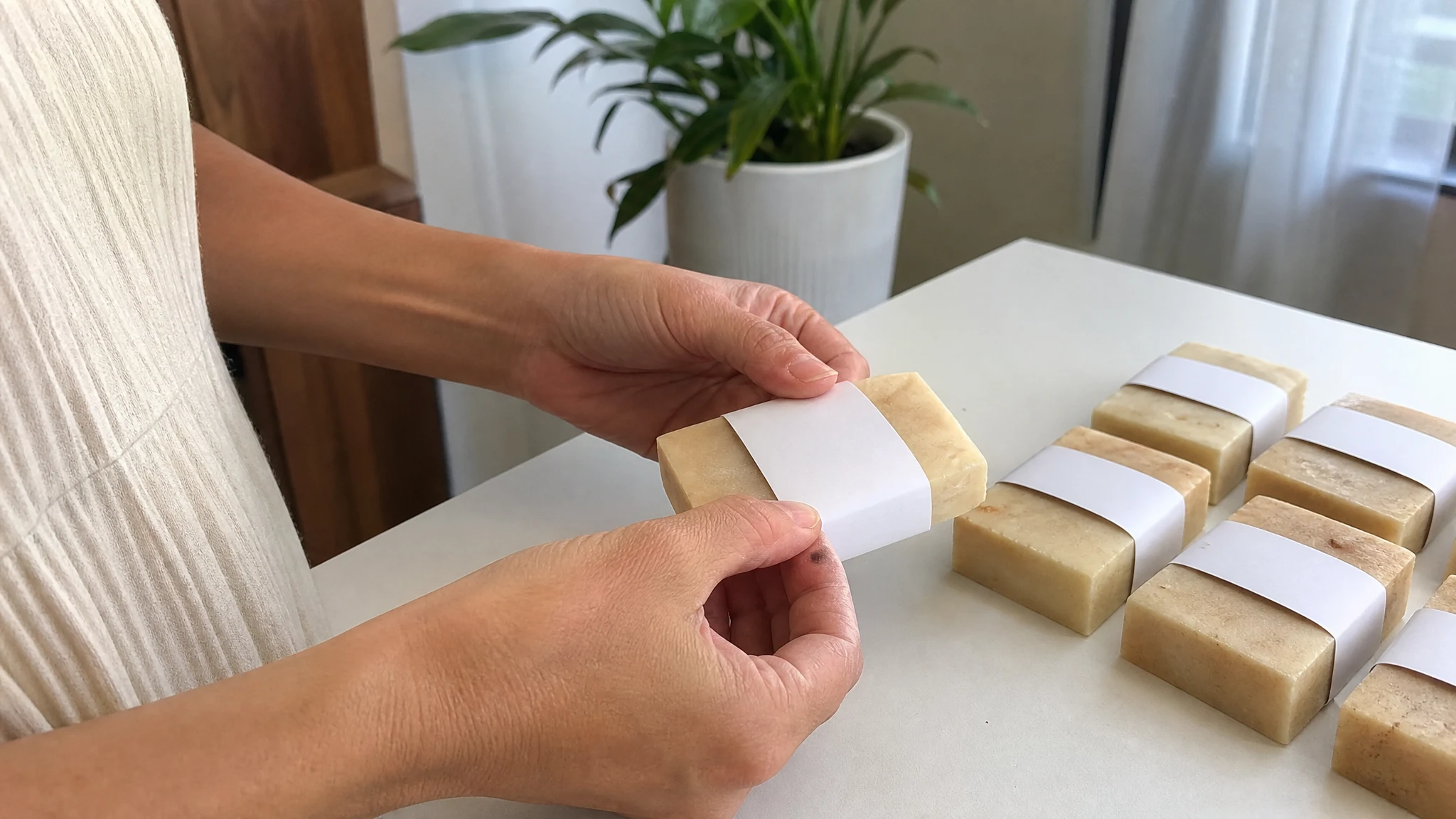
Geranium Oil Product Labels: US and EU Basics
Here is a number that makes geranium labeling easier to understand. A body oil with just 0.5% geranium oil carries about 0.09% geraniol, roughly ninety times the 0.001% level at which EU rules require geraniol to be named on a leave-on product. Geranium's rosy character comes from naturally occurring components that regulators care about, and that shapes what goes on your label. In the US the job is mostly ingredient order and wording; in Europe, naming the oil and a few of its components. This is general information rather than legal advice, and a regulatory consultant who works on cosmetic labeling should look at your actual label.
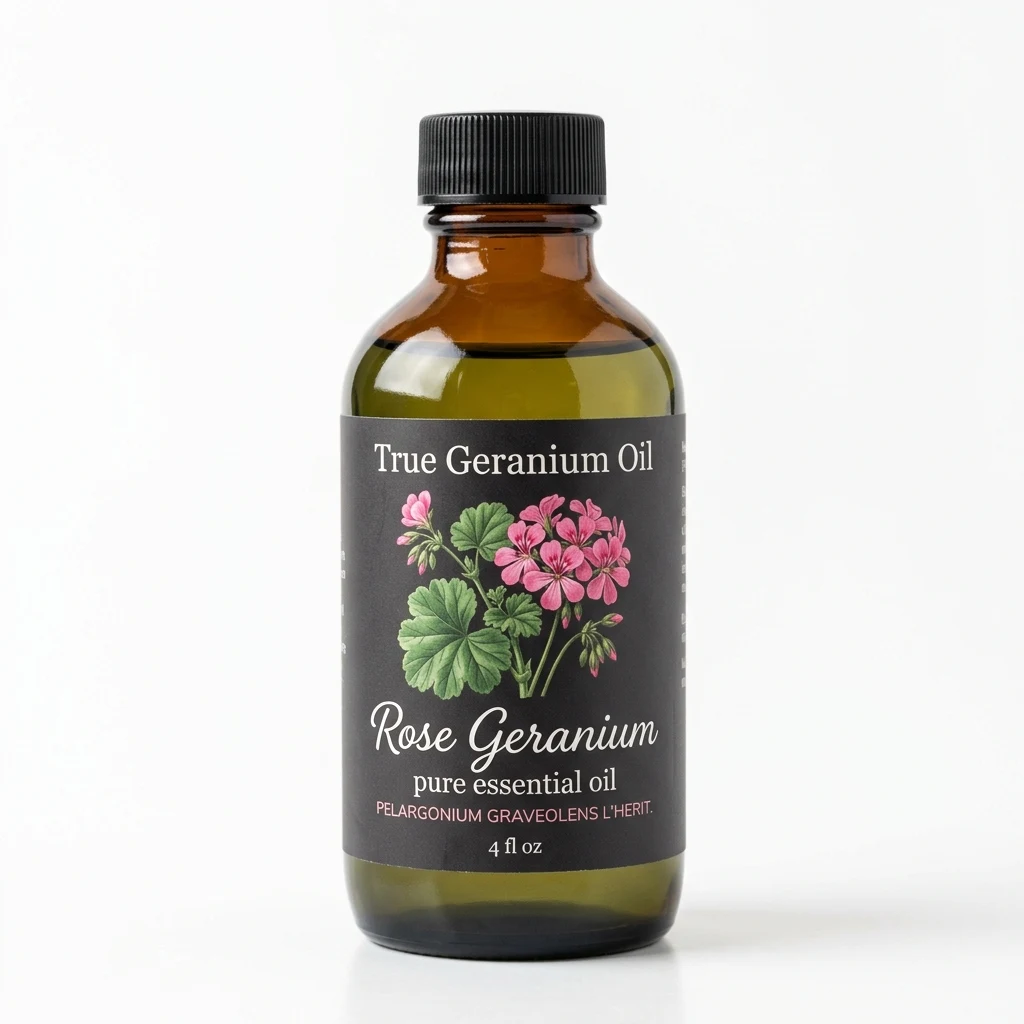
Rose Geranium Essential Oil
Our own Rose Geranium Essential Oil, in sizes from 0.5 oz to bulk.
From $24.99
Shop Now →The US label, element by element
For a cosmetic sold at retail, FDA lists the product's identity and an accurate net quantity of contents on the principal display panel, the name and place of business of the firm marketing it on an information panel, adequate warnings and directions where misuse could be hazardous, and an ingredient declaration (FDA, summary of labeling requirements). The labeling guide adds that net contents belong in the bottom 30% of the principal display panel (panels of 5 square inches or less are an exception), and that a firm that is not the manufacturer precedes its name with "Manufactured for" or "Distributed by" (FDA, Cosmetics Labeling Guide). If you fill our oil into your own bottles and sell under your name, you are the marketing firm.
Soap is its own category
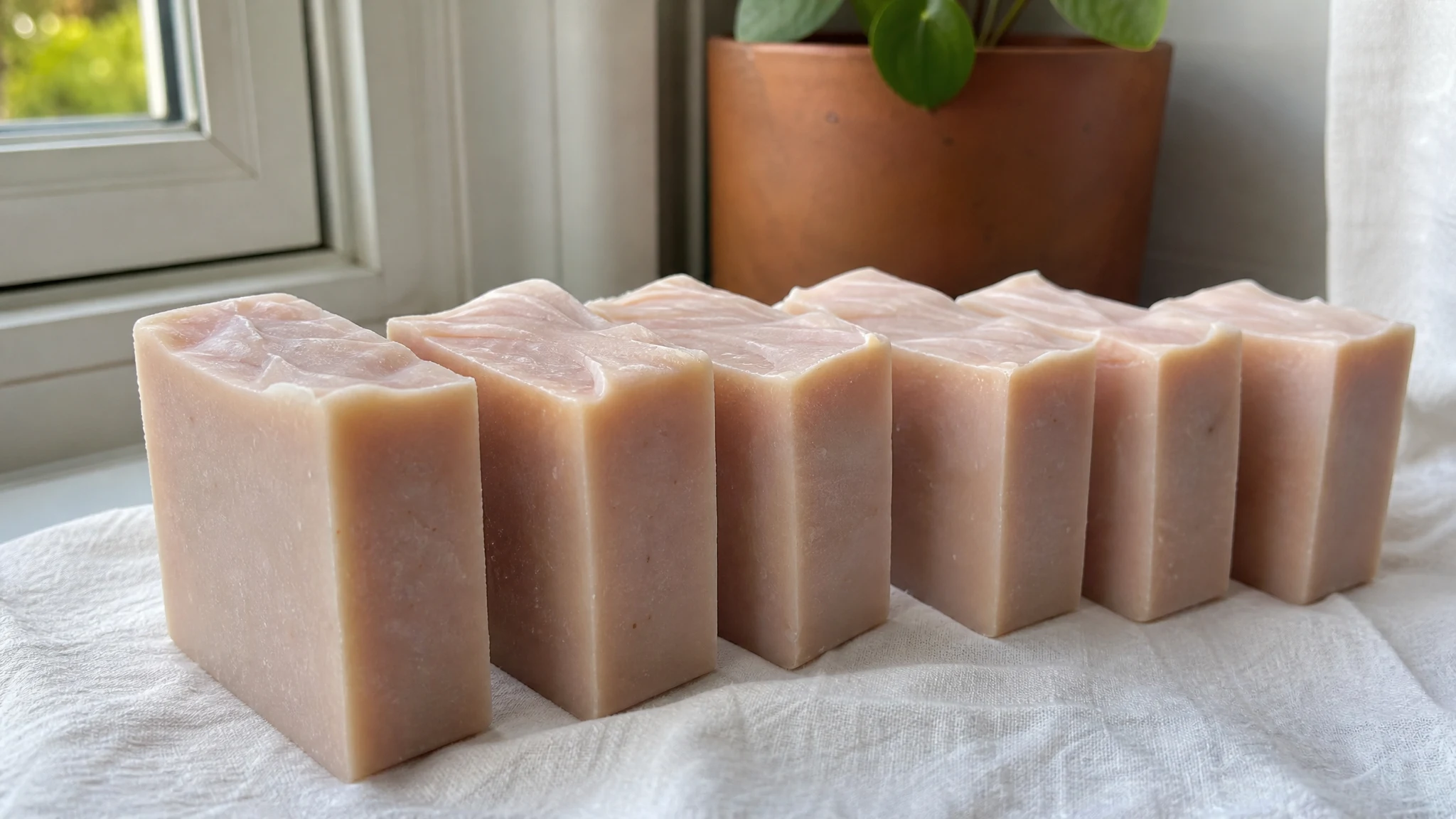
FDA treats a product as soap only if it is labeled as soap and its label statements refer only to cleansing (21 CFR 701.20, as summarized in the guide above). A bar called "rose geranium soap" that says nothing beyond cleaning stays outside the cosmetic rules. Add "moisturizing" or "deodorizing" and it becomes a cosmetic that needs an ingredient list. Either way, we recommend listing every ingredient, scent oil included: it costs nothing, retailers ask for it, and it gives anyone with a fragrance allergy something to read. The soap guide covers the making.
Ingredient order, with a worked example
Ingredients are declared in descending order of predominance, except that those at 1% or less may follow in any order, and color additives may come last (21 CFR 701.3). Take a 1 oz facial oil at 0.5%: that is about 0.15 ml of geranium oil, or around 3 drops, so weigh it rather than counting. The carrier is over 99% of the product and goes first, and geranium oil, being under 1%, can sit anywhere after the ingredients above 1%. At 1.5% it joins the descending-order group and must be placed above anything present in a smaller amount.
Naming the oil
FDA says fragrance compounds may be declared as "fragrance", though no ingredient may be called fragrance unless consumers would commonly understand it that way. Whether a single essential oil can be tucked under that word is a good question for your consultant. We suggest naming the oil, because the EU requires it anyway and one label is easier than two.
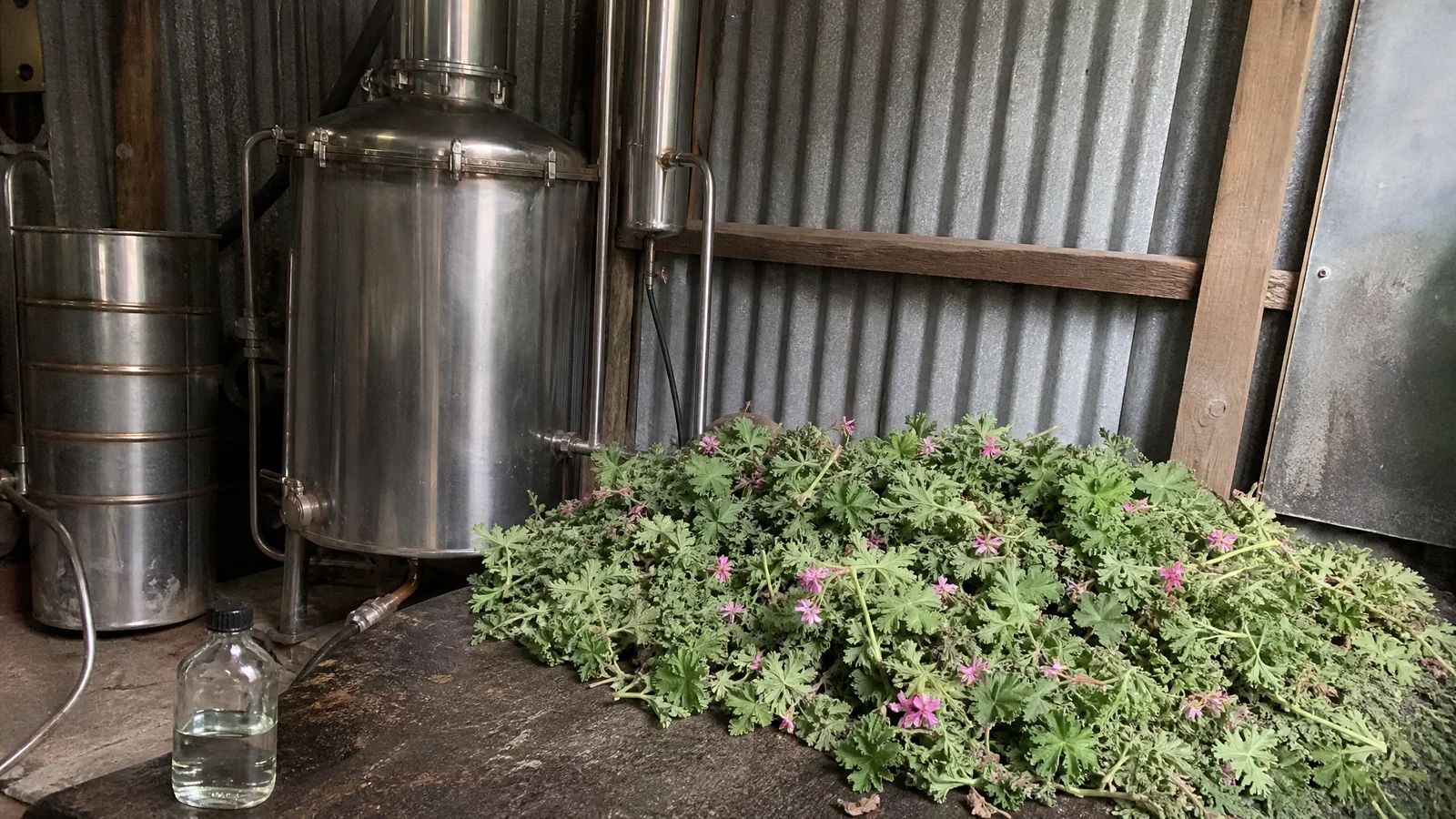
FDA's ingredient-names page does not address essential oils, but it says Latin names may follow the common name in parentheses, with the example "Sweet Almond (Prunus Amygdalus Dulcis) Oil" (FDA, Cosmetic Ingredient Names). Following that pattern, geranium would read "Geranium (Pelargonium Graveolens) Oil", which is our inference rather than an FDA example. The EU form is "Pelargonium Graveolens Flower Oil". Our shop lists both oils under the botanical name Pelargonium graveolens, and if your label needs a particular dictionary name for the oil you buy, ask us in writing and keep the answer in writing.
Selling in Europe
Regulation (EU) 2023/1545 added "Pelargonium graveolens oil" (entry 364 of Annex III) to the list of fragrance allergens that must appear in the ingredient list above 0.001% in leave-on products or 0.01% in rinse-off products. Products that did not comply could be placed on the EU market until 31 July 2026, a date now past, and can remain available until 31 July 2028 (European Commission, 2023). Components were already on the list at the same thresholds, including geraniol, citronellol, linalool and citral (European Commission, 2009).
Using IFRA's typical values for geranium oil, about 17.7% geraniol and 21.1% citronellol (IFRA annex, 51st Amendment), a 0.5% leave-on product holds about 0.09% geraniol and 0.1% citronellol, each far above the threshold. A soap at 2% oil carries about 0.35% geraniol against a 0.01% rinse-off threshold. In practice that means listing the oil and those components. Citral is the borderline case and depends on the batch. These are literature values, not measurements of anything we sell: the Certificate of Analysis we publish covers one batch and reports density and refractive index only, so if you need component data, ask us in writing before ordering and plan on a GC-MS report for the lot you use. The EU has other label duties that are outside this article.
Allergen labeling in the US
FDA's fragrance page says the agency lacks the authority it has for food to require allergen labeling on cosmetics, and it lists fragrance allergen labeling among the rules MoCRA directs FDA to establish (FDA, Fragrances in Cosmetics). We did not find a US allergen list to point you to, so check FDA for the current position. If you ship to the EU, label to the EU rules; it also serves any customer with a diagnosed fragrance allergy.
Candles, sprays and warnings
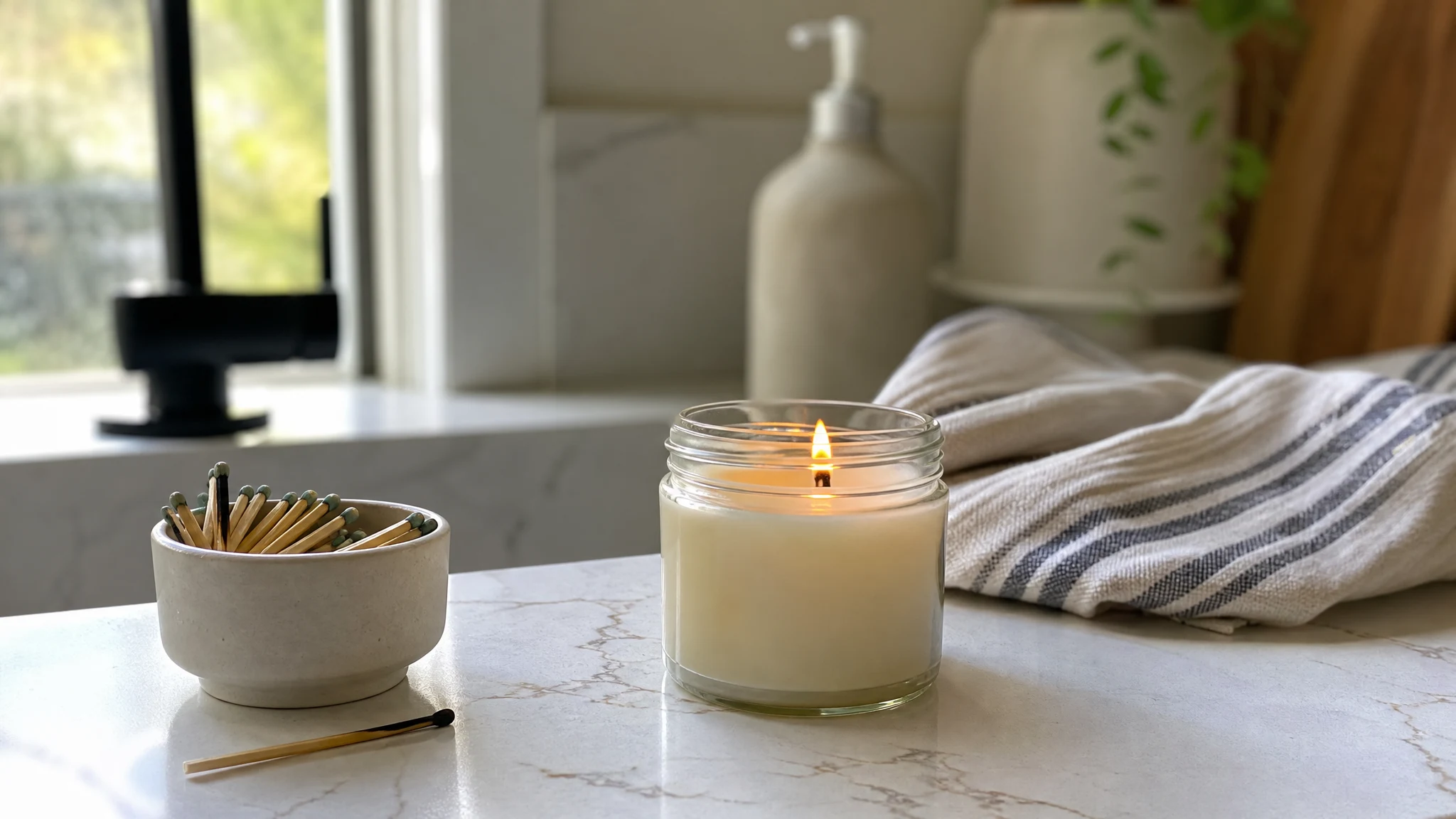
A candle is not applied to the body, so FDA's cosmetic labeling does not reach it. The National Candle Association says every candle should carry a cautionary label with three messages: burn within sight, keep away from combustibles and keep away from children, based on ASTM F2058 (NCA, Candle Labels 101). Other rules for candles or wax melts, and the IFRA category your product falls in, are questions for your consultant.
For a skin product, you are welcome to mirror our wording: dilute for skin, patch test first, keep away from eyes, children and pets, not for internal use. Our disclaimer also suggests asking a physician first if you are pregnant or nursing. What your finished product must say depends on its formula, and FDA's guide notes that a cosmetic whose safety has not been adequately substantiated carries "Warning - The safety of this product has not been determined". Claims count too: the selling article explains how a label that says what a product does to the body changes its category.
Wording follows the formula, so settle the formula first. The lotion guide is a good place to start for a leave-on product, and our wholesale page offers sample bottles and a consultation form for businesses.
A label is the last thing a customer reads and the first thing a regulator does, so it deserves a slow, careful draft. Write it down, check it against the rules for where you sell, and keep a copy with your formula.
Rose Geranium Essential Oil
Rose Geranium Essential Oil from our own shop, in sizes from 0.5 oz to bulk.
From $24.99
Shop Now →Sources & Further Reading
- US FDA. Summary of Cosmetics Labeling Requirements. fda.gov/summary-cosmetics-labeling-requirements
- US FDA, 2022. Cosmetics Labeling Guide. fda.gov/cosmetics-labeling-guide
- US FDA, 2022. Cosmetic Ingredient Names. fda.gov/cosmetic-ingredient-names
- US FDA. Fragrances in Cosmetics. fda.gov/fragrances-cosmetics
- 21 CFR 701.3, Designation of ingredients. law.cornell.edu/cfr/21/701.3
- European Commission, 2023. Regulation (EU) 2023/1545; 2009, Regulation (EC) 1223/2009. celex/32023R1545, celex/32009R1223
- IFRA, 2023. 51st Amendment annex on contributions from other sources. IFRA annex
- National Candle Association. Candle Labels 101. candles.org