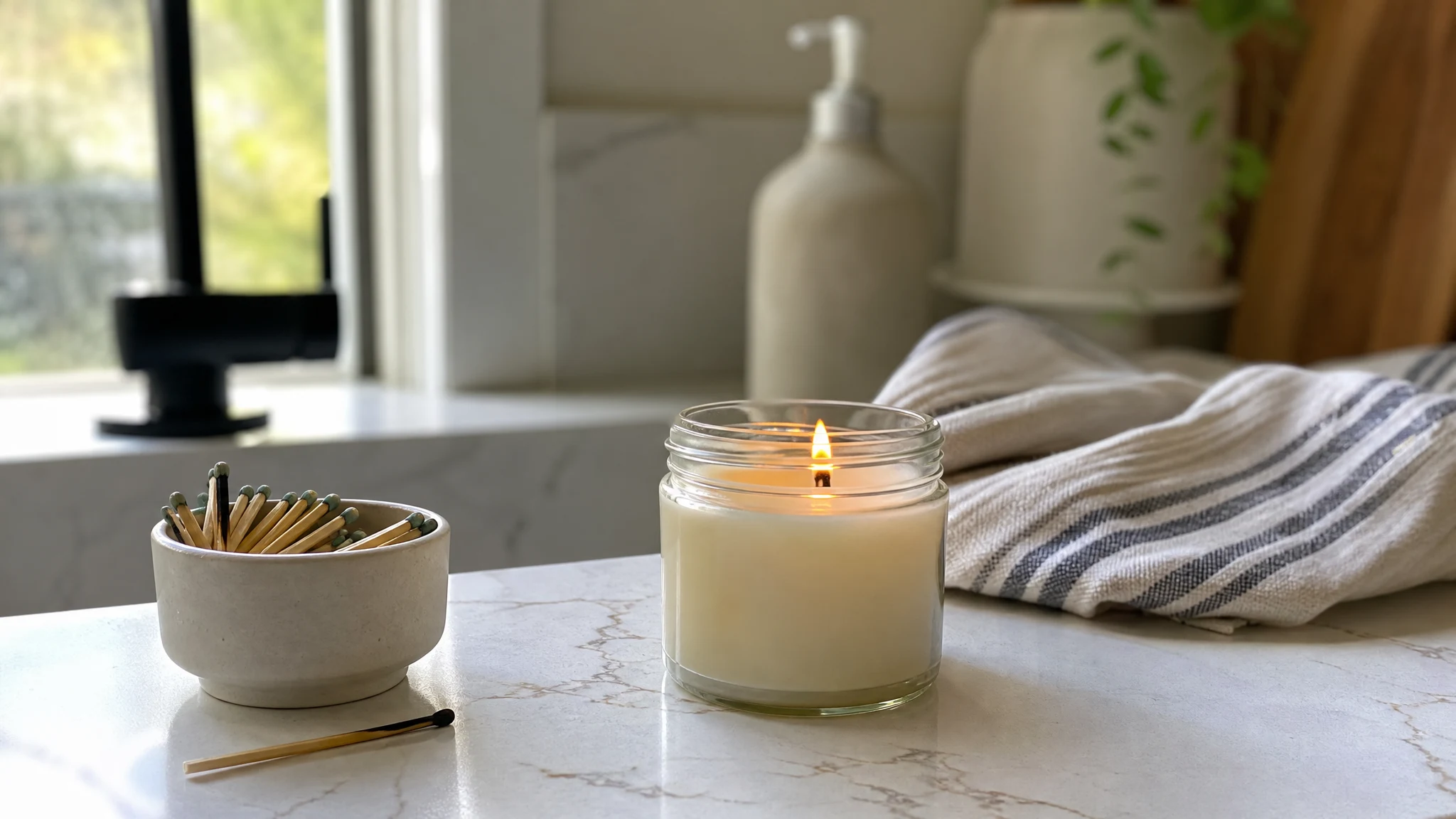
Can You Use Geranium Oil in Candles? A Starter Guide
Geranium is one of those scents that makes a candle feel like a garden in July: rosy, a little green, a little minty at the edges. It is also an essential oil, which behaves differently from the fragrance oils most candle makers pour every day. The good news is that a little arithmetic and one small test candle will tell you most of what you need to know.
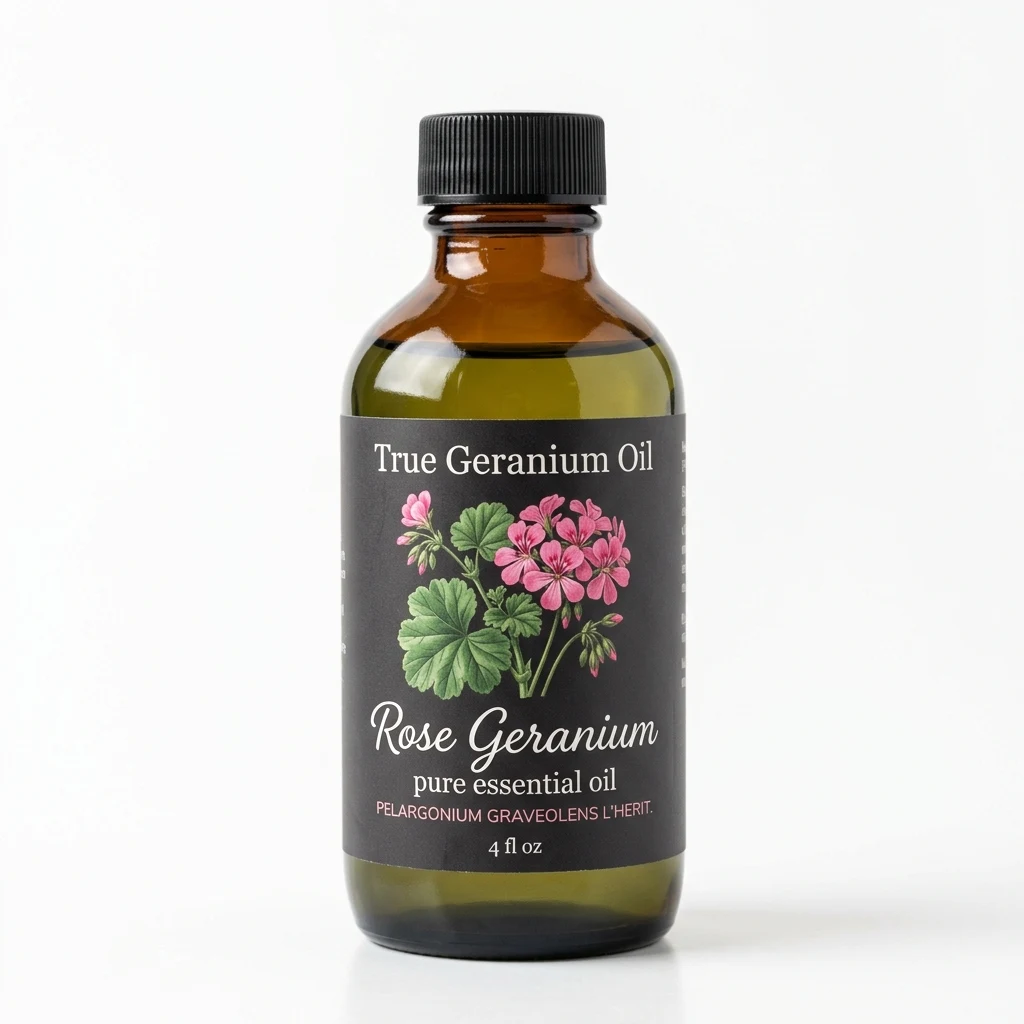
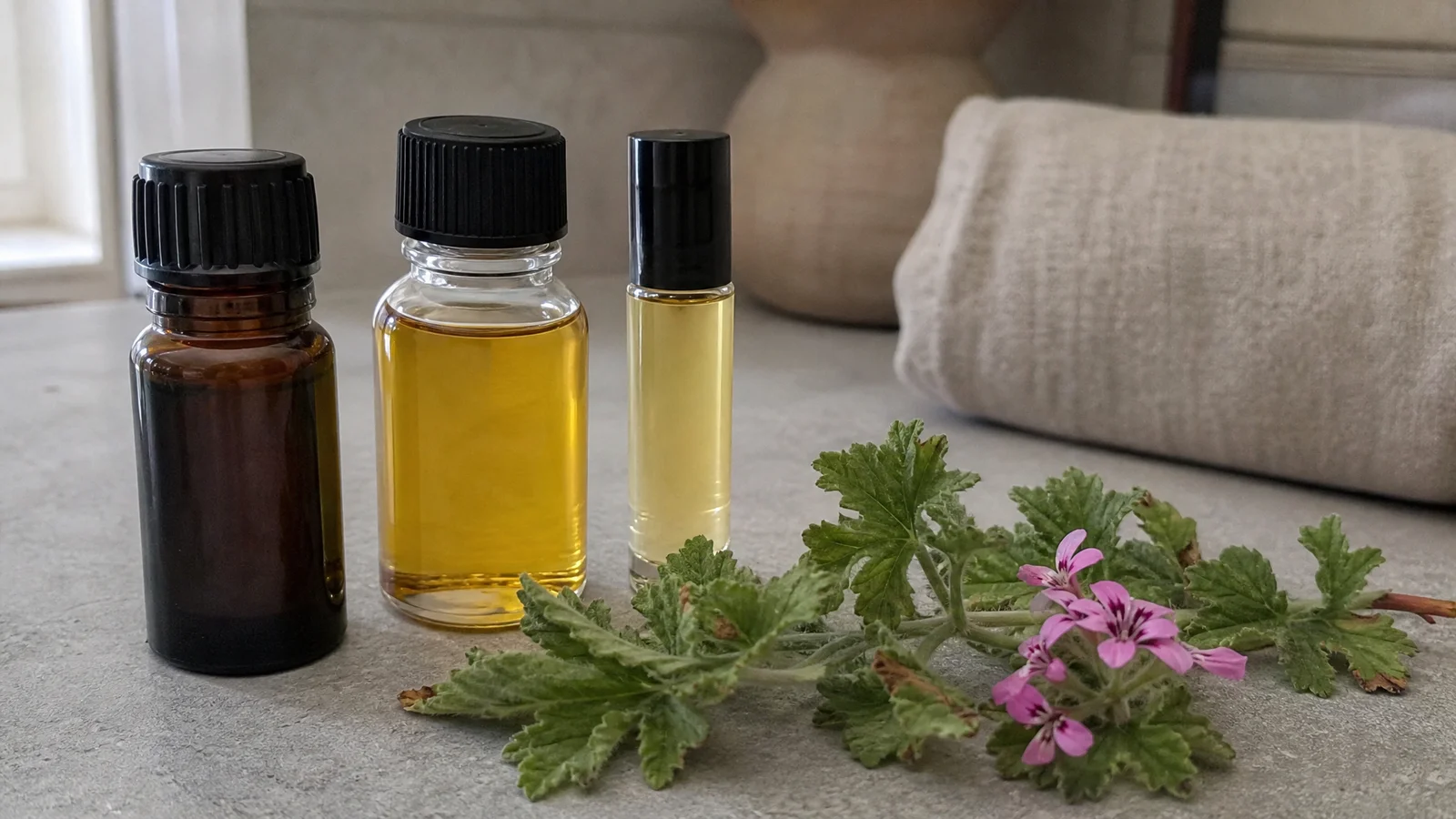
Rose Geranium Essential Oil
Our own Rose Geranium Essential Oil, in sizes from 0.5 oz to bulk.
From $24.99
Shop Now →What wax makers say about load
Fragrance load is simply the weight of scent divided by the weight of wax. When you look for a maximum on the manufacturers' own paperwork, you find less than you might expect. The technical data sheets for Cargill's NatureWax C-3 and for EcoSoya CB-Advanced both describe the wax in detail, yet neither prints a fragrance ceiling, and EcoSoya's simply says users should run their own tests (Cargill C-3 data sheet; EcoSoya data sheet). The figure you see most often, around 10 percent, comes from retailers describing their own stock, and it was written with candle fragrance in mind rather than essential oil.
That is a useful clue about how to proceed. A ceiling is not a target, and the best load is whichever one your wax, wick and container actually carry well.
A first batch, in grams
A pound of wax is 453.6 grams, so a modest 3 percent load is about 13.6 grams of oil per pound. For a 200 gram candle that comes to roughly 6 grams. The one batch on our Certificate of Analysis measured a relative density of 0.881, so 6 grams is a little under 7 ml, but droppers and batches vary, so weigh the oil on a small scale instead of counting drops. If the cold candle smells right and burns well, you can step the load up a point at a time. If it is already generous, you are done.
Warm the wax to the temperature your wax supplier recommends before stirring the oil in. One soy container wax data sheet suggests adding scent at roughly 45 to 55 C, and a retailer of another soy wax suggests heating to 180 F (82 C). Different waxes, different instructions, so follow the sheet for the wax you bought. Geranium oil's flash point is worth asking about too: we do not publish a safety data sheet, so if you need one, ask in writing before you order. One supplier's sheet for an Egyptian geranium oil lists a flash point above 93 C, which sits comfortably above those addition temperatures, but that sheet describes that supplier's product and not ours (supplier SDS).
Why geranium shines as a supporting note
This part is reasoning rather than a measured result, so take it as a starting idea. A scent has to evaporate from the melt pool to reach your nose, and a container wax melt pool is only warm. Geranium oil is a rich mixture of many components, the EFSA panel noted up to 87 in the oil it assessed (EFSA, 2023), and a burning candle will release some of them faster than others, so the character can shift as the candle burns. That is part of the charm of an essential oil, and it is also why geranium tends to do its best work next to other notes. Think of it as the rose-leaf heart of a blend: a few grams of geranium alongside a candle fragrance base from your supplier, or with other oils you already love. The shop lists bergamot, lavender, sandalwood, clary sage and patchouli among its blending partners, and our wax melt article works through the same ideas in grams per melt.
Smelling a candle in three stages
A candle has more than one scent, and it is worth stopping to notice each. Smell the cold candle first, at the jar's mouth: that is what a shopper would meet. Then light it and wait, because a scent filling a room takes a while to build. Finally, after you have put it out, notice what lingers. Geranium has a leafy, rosy, slightly minty character, so you may find the greener edge more obvious cold and the rosier heart arriving once the wax is melted.
Put a label on every test candle with the wax, wick, date and load. It is the cheapest piece of equipment in the whole project and the one you will use most.
Wicks, glass and the burn test
We sell the oil, not wax, wicks or jars, so those come from a candle supply shop, and it is worth asking them for wick guidance for your container size. Because scent changes how a wick burns, the sensible habit is to light one test candle and watch the whole burn: does the melt pool reach the edge, how tall is the flame, is there soot, how hot does the glass get? Use a heat-resistant glass container. The National Candle Association points to ASTM F2179 for glass candle containers and ASTM F2058 for safety labelling, which asks that a candle is burned within sight, kept away from flammable things and kept from children (National Candle Association). Those three lines belong on every label.
If you plan to sell candles, an insurer and a product-safety attorney are the right people to ask about labelling and liability, and our pieces on IFRA for makers and selling products with geranium oil cover the geranium side. If you would rather scent a room without a flame, the home fragrance guide compares the formats.
When you are ready, the Rose Geranium Essential Oil and Geranium Essential Oil pages list every size, and the wholesale page offers sample bottles to try in your own candle. The Certificate of Analysis we publish covers one batch and reports density and refractive index, so if you need a flash point or an SDS, ask us in writing first. Pour one small candle at 3 percent, give it time to set, and judge the cold smell before you light it.
Candle making rewards patience: one small test, one honest look at the burn, and one note on the label before you try the next.
Rose Geranium Essential Oil
Rose Geranium Essential Oil from our own shop, in sizes from 0.5 oz to bulk.
From $24.99
Shop Now →Sources & Further Reading
- Cargill. NatureWax C-3 technical data sheet (EU), 2024. candle.gr
- EcoSoya. CB-Advanced technical data sheet v3.0, 2020. candle.gr
- Candles and Supplies. Safety data sheet, Geranium Essential Oil (Egyptian), 2022. candlesandsupplies.com
- National Candle Association. Understanding safety standards. candles.org
- EFSA FEEDAP Panel, 2023. Geranium rose oil, EFSA Journal 21(7):e08161. PMC10373134