Geranium Wax Melts: How Much Oil Per 200 g of Wax
A good wax melt is simple: scented wax, a little warmth, a whole room that smells like a rose garden. Geranium oil suits it well, rosy and green with a hint of mint. The one decision that shapes the result is how much oil to stir into the wax, and a few numbers from the wax makers make that easy to work out.
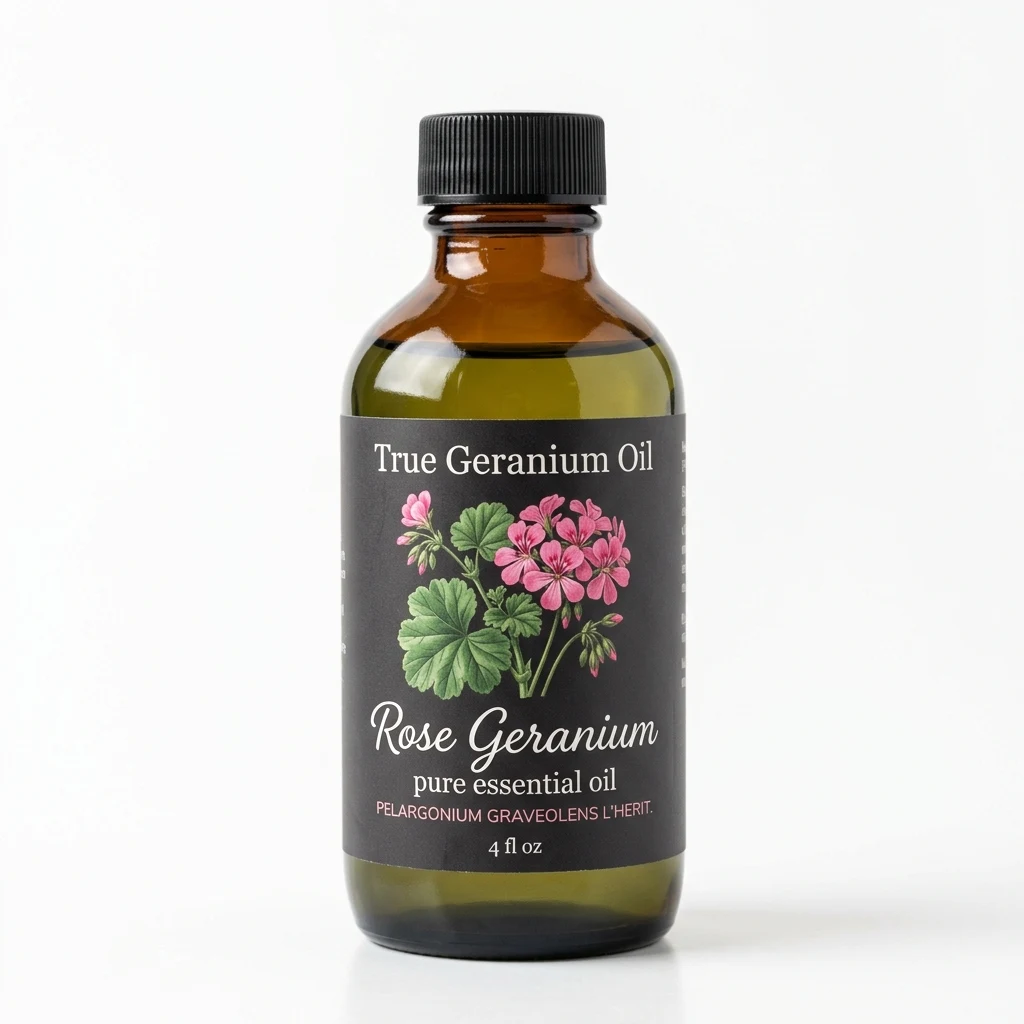
Rose Geranium Essential Oil
Our own Rose Geranium Essential Oil, in sizes from 0.5 oz to bulk.
From $24.99
Shop Now →What wax makers say about load
Two soy wax listings give a starting range. A manufacturer data sheet for a container soy wax says it "may be used with fragrance at levels up to 10-12%", adds that fragrance developed for natural waxes is recommended, lists a melting point of 42 to 48 C, and says fragrance goes in near 45 to 55 C (unnamed soy wax supplier, technical data sheet, 2020). A retailer's listing for a different soy wax gives 8 to 10% and describes it as suitable for container candles, tealights and clamshell melts but not for moulds (Kraftkolour). Neither mentions essential oil, so applying the figure to geranium oil is our own reasoning. The takeaway: the right number depends on your wax, so read the data sheet that comes with it.
A sensible place to start
Those figures are ceilings, the most a wax can hold, not the amount that smells best. We suggest starting at 6% of the wax's weight, which sits comfortably under the lowest ceiling, and moving up in 2-point steps if you want more scent. Here is what that looks like for 200 g of wax. The oil's weight is converted using the relative density of 0.881 measured on the one batch of our Certificate of Analysis, and drops assume about 20 per ml, though droppers vary, so weighing is more reliable.
| Load | Oil for 200 g wax | Volume | Drops (about) |
|---|---|---|---|
| 4% | 8 g | 9.1 ml | 182 |
| 6% | 12 g | 13.6 ml | 272 |
| 8% | 16 g | 18.2 ml | 363 |
| 10% | 20 g | 22.7 ml | 454 |
At 6%, 200 g of wax plus 12 g of oil makes 212 g, which fills 20 cavities with pieces of about 10.6 g, each carrying about 0.6 g of oil. If a batch smells faint, step up toward 8%. If the pieces feel oily or the oil beads on the surface, step back two points, because the wax is full.
Making a small batch
- Weigh 200 g of wax into a heatproof jug and melt it as the wax maker directs, usually in a water bath.
- Take it off the heat and let it cool toward the stir-in window on the data sheet, around 45 to 55 C for the wax above. Use a thermometer. Hot wax sends the lighter aroma notes off faster, which is general chemistry rather than something we measured.
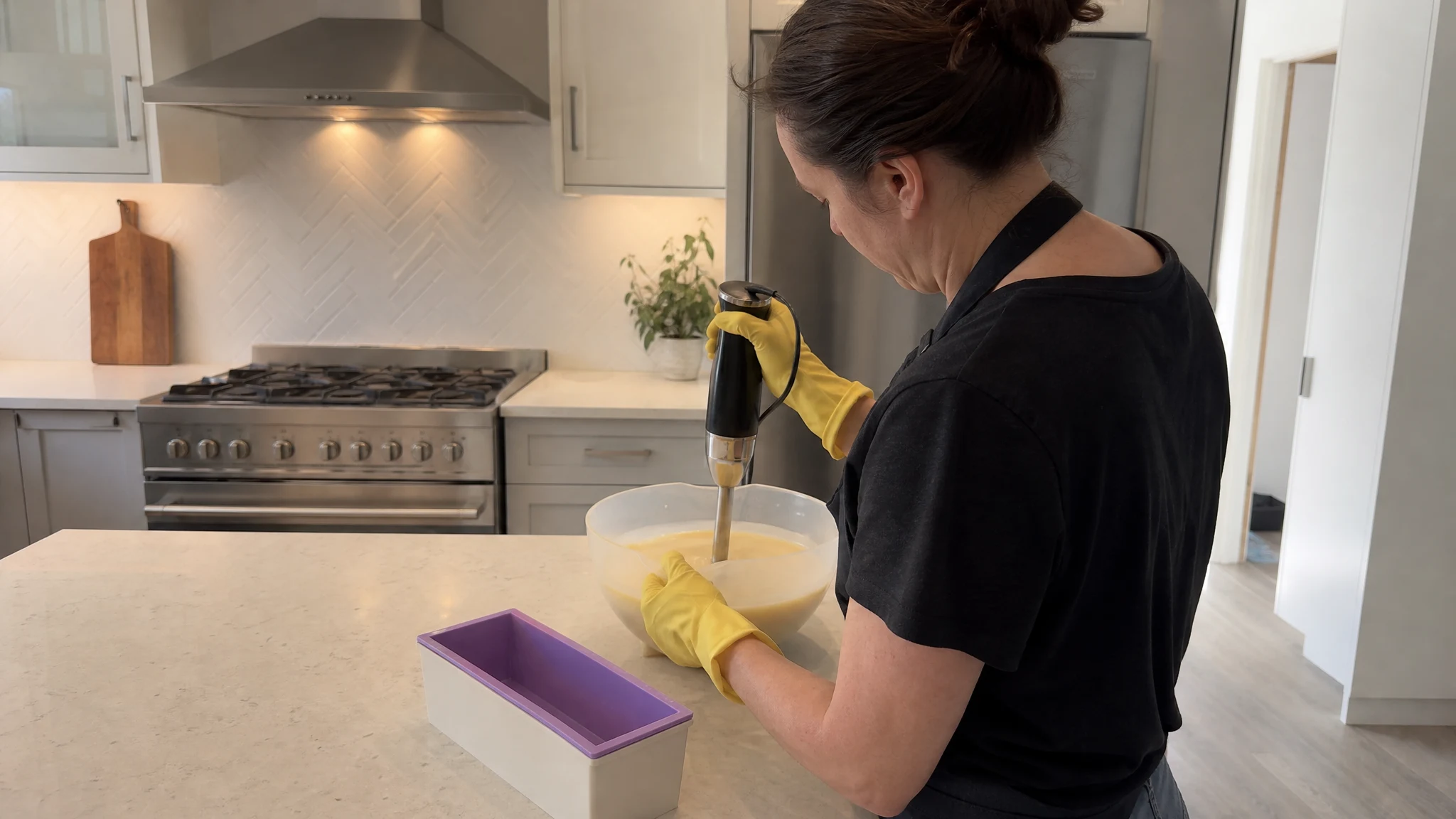
- Weigh the oil straight into the wax, wearing gloves, and stir for a full minute, scraping the sides.
- Pour into the cavities before the wax thickens and leave it to set undisturbed.
- Write the date, wax and load on the container so the next batch changes just one thing.
We say the oil is concentrated, never to be applied undiluted, and to be kept away from eyes, so gloves and eye protection are a good habit while you work. Check the wax data sheet for moulds too: a wax suited to clamshells is not always right for pressed tarts.
Judging the first melt
Do not judge a wax melt by the first sniff over the warmer. Let it run for a short while, then leave the room, close the door for a few minutes and come back in. That return breath is the honest test of how the scent fills a space. Notice whether the rose comes first or the green leaf, and write it next to the load in your notes. Then change just one number for the next batch.
The warmer is half the story
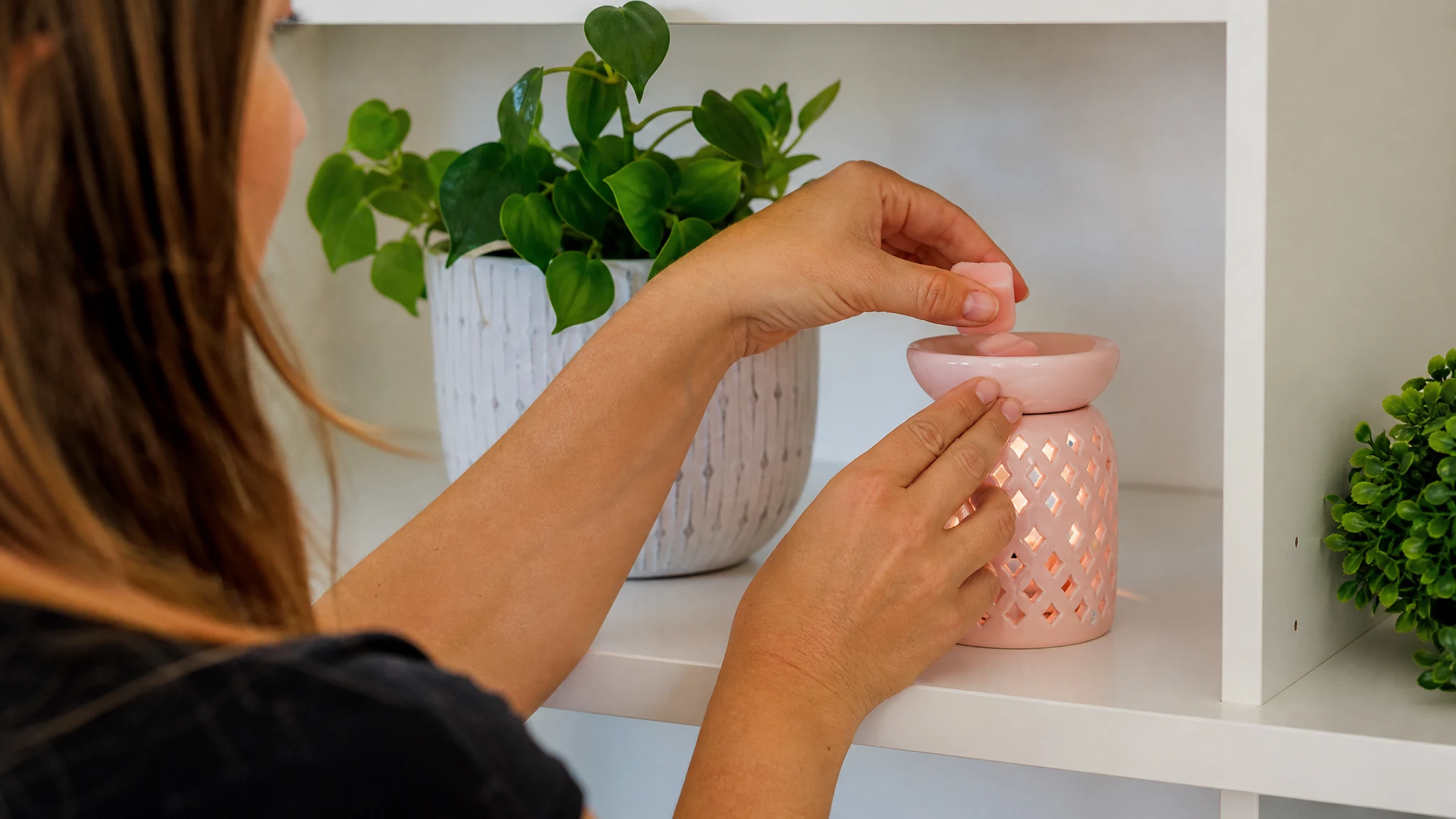
How strong a melt smells depends as much on the warmer as the wax. In 2015 a US retailer recalled about 32,000 ceramic wax warmer sets after 11 reports of high flames, including two burn injuries (US CPSC). That was one product, but it is a nice reminder to stand any warmer on a stable, heat-resistant surface, keep it attended, and check the CPSC recall list for the model you buy.
Pets and scent deserve a thought too. The ASPCA's poison control center says cats are especially sensitive to essential oils and that it would not recommend using any essential oils where pets have access (ASPCA, 2020). Ask your veterinarian before warming any essential oil near animals, and see our pet household guide. Our disclaimer suggests that pregnant or nursing readers check with their physician.
Where to find the rest
We sell the geranium oil, and the rest comes from a candle supply shop: wax, a warmer, moulds, a scale and a thermometer. Ask the supplier for the technical data sheet and the fragrance load it states. For more ways to scent a room, see the home fragrance guide, and for wicked wax, the candle post. Our advice to keep the bottle tightly capped in a cool, dark place is expanded in the storage post.
Weigh the oil, start at 6%, change one number at a time, and keep the warmer in sight. Both Geranium Essential Oil and Rose Geranium Essential Oil are in the shop, and the wholesale page offers sample bottles if you plan to make melts to sell.
A warm room, a modest load and a wax you know: that is all it takes to turn a small batch of melts into a rose garden.
Rose Geranium Essential Oil
Rose Geranium Essential Oil from our own shop, in sizes from 0.5 oz to bulk.
From $24.99
Shop Now →Sources & Further Reading
- Soy wax supplier, 2020. Technical Data Sheet, Soy Wax Container, v5.0. data sheet (PDF)
- Kraftkolour. Soy Wax Professional Grade GW 464 (retailer listing). kraftkolour.net.au
- US Consumer Product Safety Commission. Family Dollar recalls wax warmers. cpsc.gov
- ASPCA, 2020. Pet poisons: be mindful of these household products and cleaning agents. aspca.org