Geranium Oil and Pets: Is It Safe for Dogs and Cats?
Sharing a home with a dog or cat changes how you use essential oils, and geranium is no exception. The good news is that the guidance from veterinary sources is simple and practical. It comes down to three things: where the oil goes, how long it is in the air, and who can reach the bottle. We sell geranium oil as a cosmetic and fragrance material, and nothing here is veterinary advice.
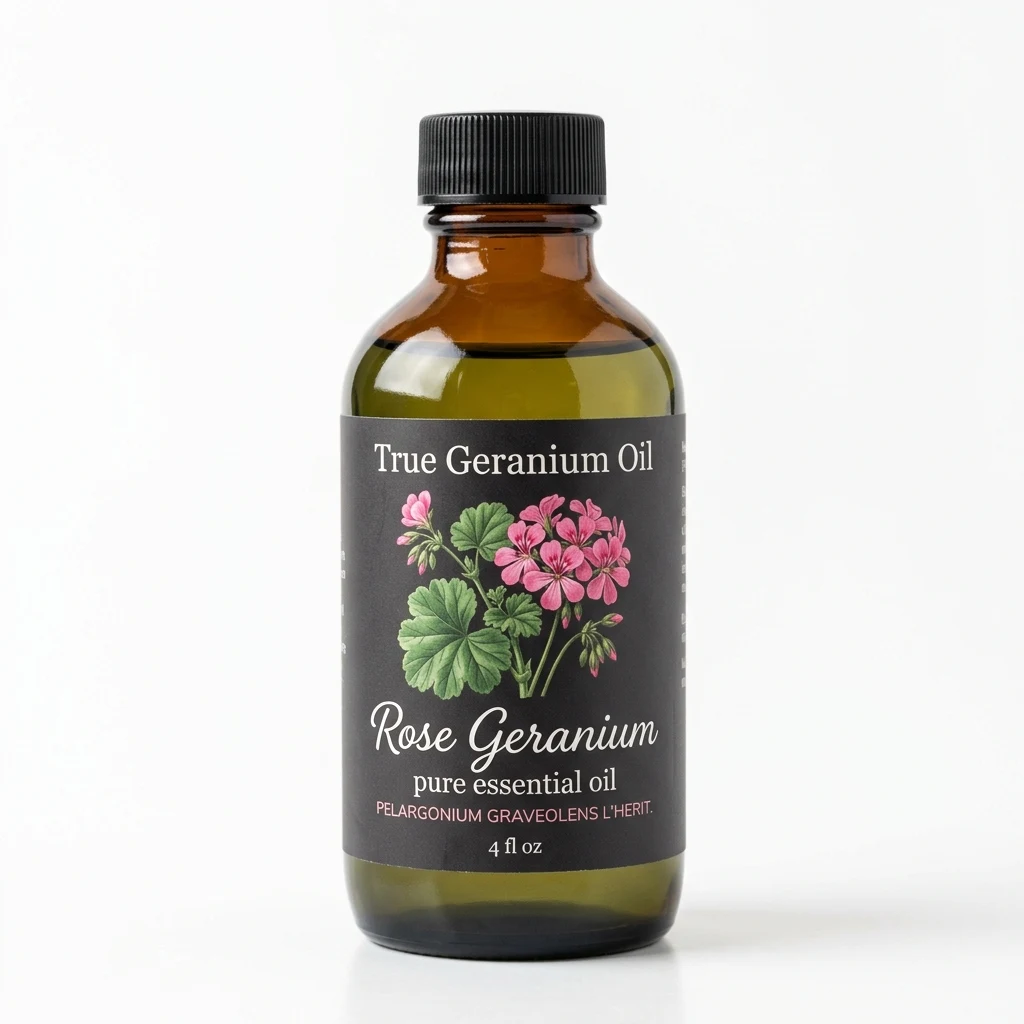
Rose Geranium Essential Oil
Our own Rose Geranium Essential Oil, in sizes from 0.5 oz to bulk.
From $24.99
Shop Now →What the pet-safety sources say
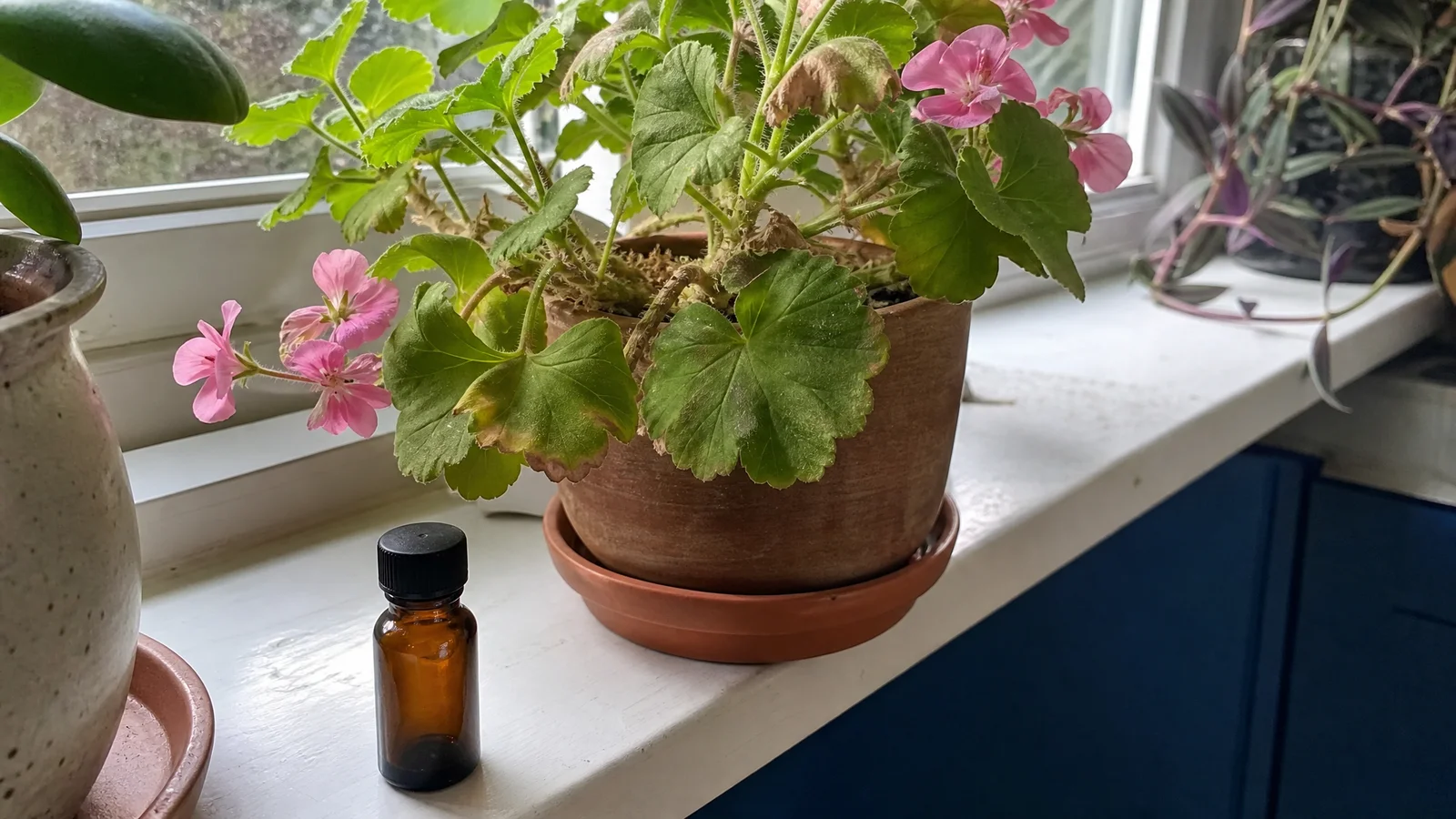
The ASPCA's plant database lists Pelargonium species as toxic to dogs, cats and horses, names geraniol and linalool as the toxic principles, and gives vomiting, loss of appetite, depression and dermatitis as the signs (ASPCA). That entry describes the houseplant rather than the oil. The oil is the plant's aromatic fraction, so it is reasonable to treat it with the same caution. No source gives a safe level of geranium oil for dogs or cats, so the sensible default is to keep it away from the animal.
For essential oils in general, the Merck Veterinary Manual is the clearest guide. It says concentrated oils should never be applied directly to pets, that the higher the concentration the greater the risk, and that cats are more sensitive because they lack the enzyme glucuronyl transferase. Their grooming adds exposure through the mouth. Dogs lack that particular gap, but they are "still at risk," and birds are especially sensitive to fragrance in the air (Merck Veterinary Manual, 2025).
Diffusers, candles and sprays
The way a scent reaches the room matters. Merck separates passive diffusers, such as reed diffusers and candles, which do not emit droplets of oil, from active ones such as ultrasonic models, which release microdroplets that can settle on fur or feathers and then be licked off. Active diffusers carry extra risk, especially for cats and birds. For passive ones, the main hazard is respiratory irritation.
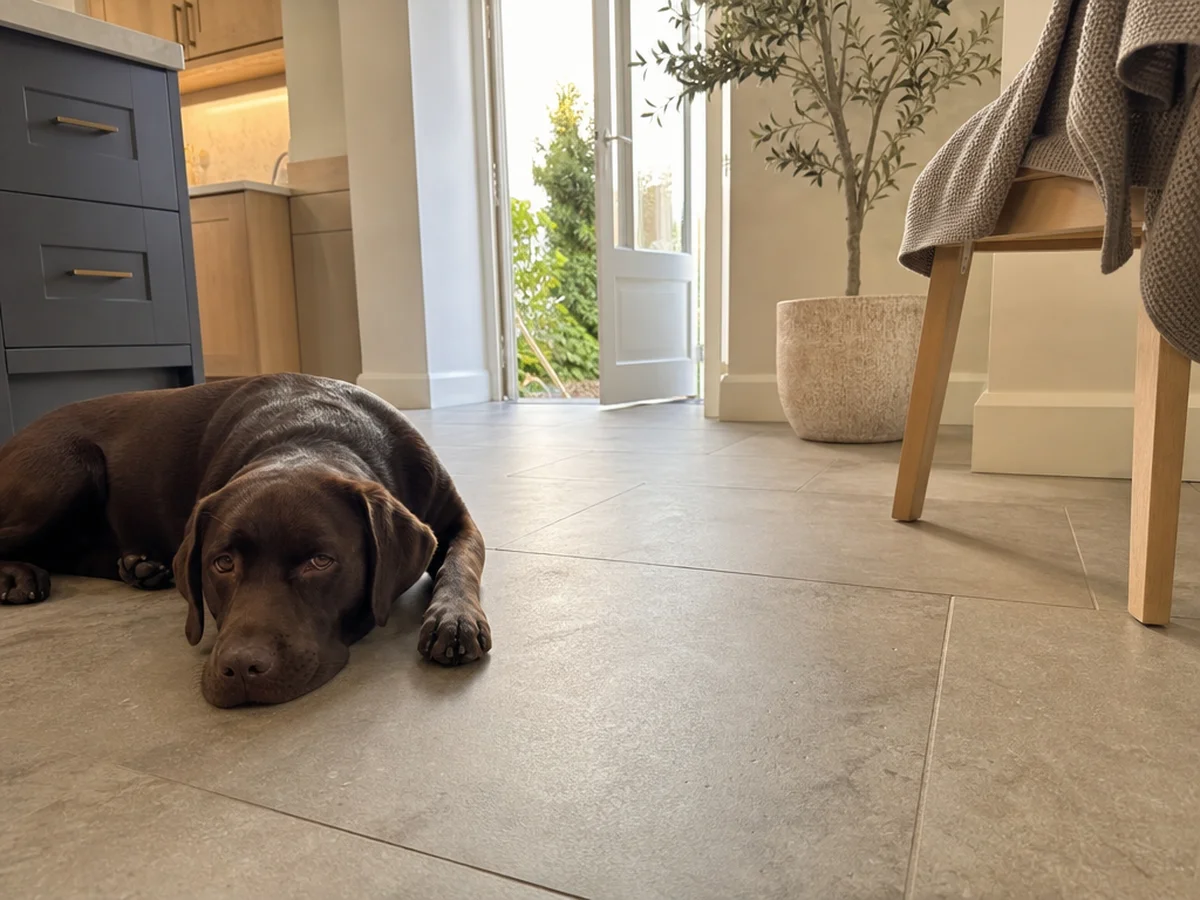
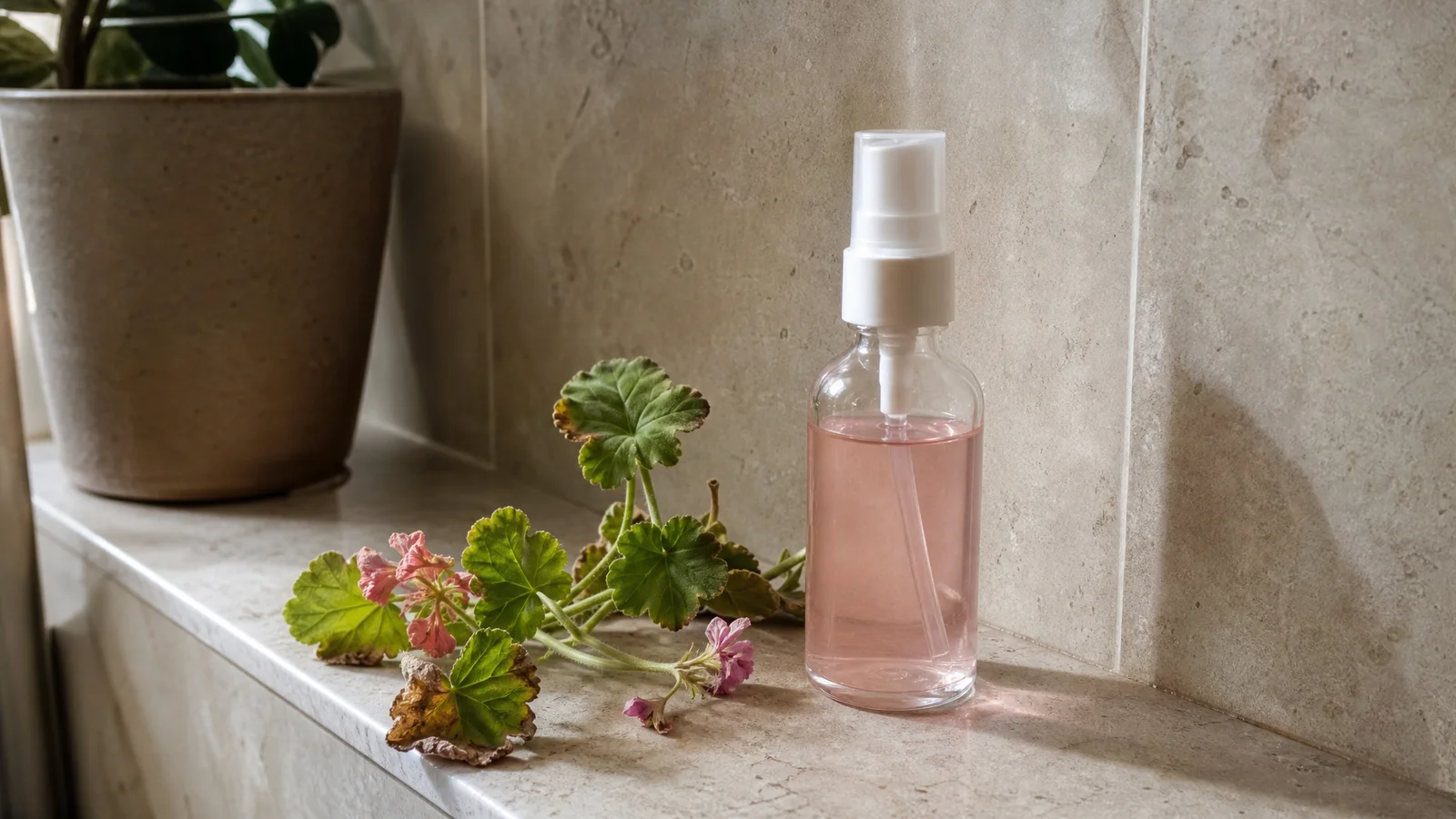
The manual's advice for owners is to keep pets out of the room while a diffuser runs, run it only for short periods and ventilate afterward. With geranium, that looks like a diffuser in a room with a door that closes, a short session, and a window opened before animals come back. Households with cats or birds should ask a veterinarian before diffusing anything. Sprays work the same way: the oil lands on surfaces, and for a cat that means paws and fur. Our home fragrance guide compares formats, and the candle and reed diffuser articles cover the maths for passive scent.
Skin, shampoo and ear care
Geranium oil stays off pets. Our 0.5% to 2% line is a dilution for human skin and does not translate to an animal, and the veterinary sources give no dilution for geranium. If a dog has itchy skin or a sore ear, a veterinarian is the right call. The same goes for ticks: our post on geranium oil and ticks explains why we do not offer it as a pet product, and why we hold no EPA registration.
Housekeeping for a shared home
Most of the useful habits here are plain housekeeping. Decide where the bottle lives before you open it: a closed cupboard or a high shelf, standing in a small tray so a tipped bottle does not run across the furniture. Do your measuring and mixing in a room the animals cannot wander into, close the door, and wipe up any drips with a paper towel that goes straight into a lidded bin. Wash your hands afterwards, before you pet anyone, because a trace of oil on your fingers ends up on a coat.
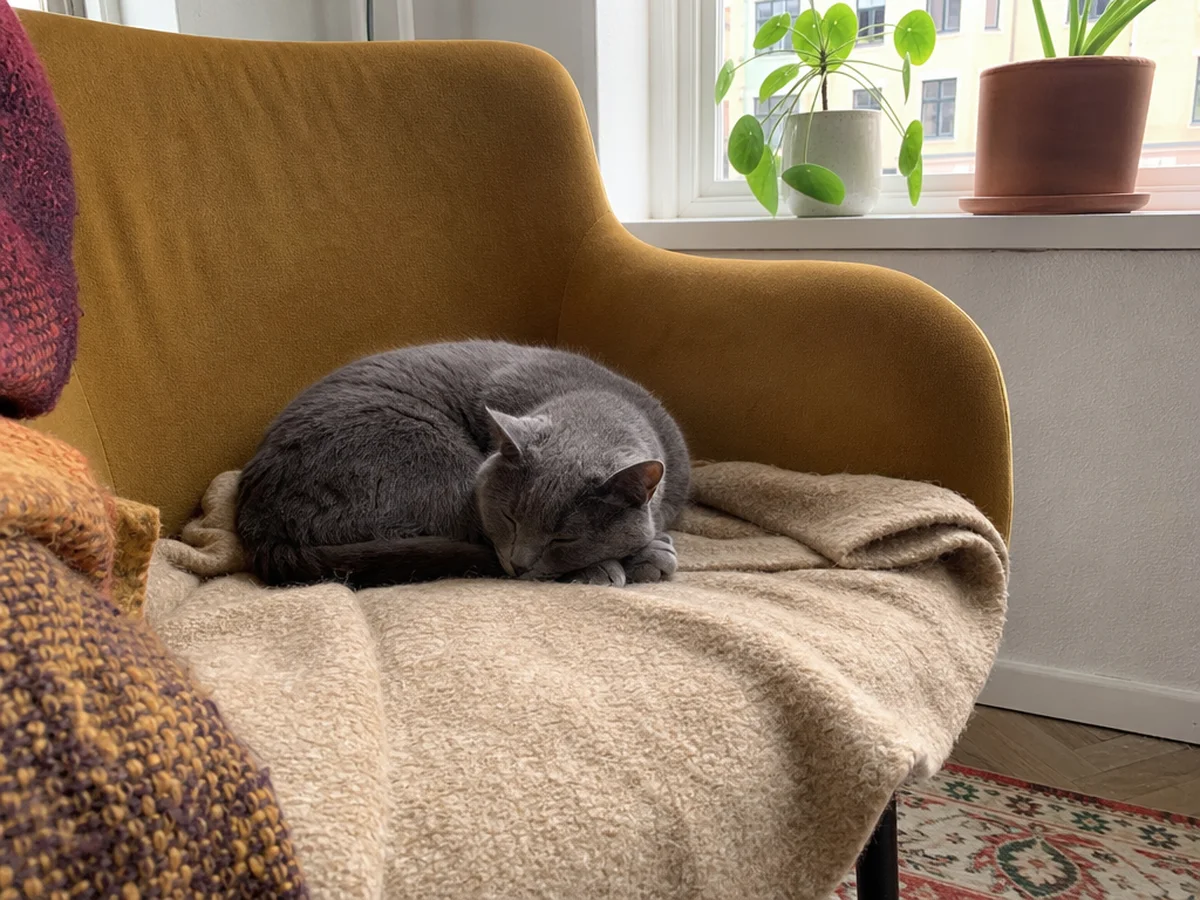
It also helps to think about the whole life of a project. A body oil you blend on Sunday is on a shelf all week, a soap is on a drying rack for weeks, and a reed diffuser stands in a room around the clock. Give each one a spot that pets cannot reach, and you have dealt with most of the risk before it begins.
Telling the household
If you share your home with other people, a short word saves worry. Tell them which shelf the oils live on and that the bottles stay capped. Visitors with small children or a curious puppy will appreciate the heads up, and so will a pet sitter, who may not know that the pretty bottle on the counter is not for play.
If your pet is exposed
Call your veterinarian or an animal poison line promptly rather than waiting to see what happens. The ASPCA page lists the Animal Poison Control Center at (888) 426-4435, and a consultation fee may apply. Merck notes that signs develop within minutes to hours by any route, with vomiting, lethargy, drooling, unsteadiness and loss of appetite the most common. Treatment may include bathing or fresh air to decontaminate, and because of the risk of aspiration, vomiting should not be induced. Bring the bottle so the veterinarian can see exactly what was involved.
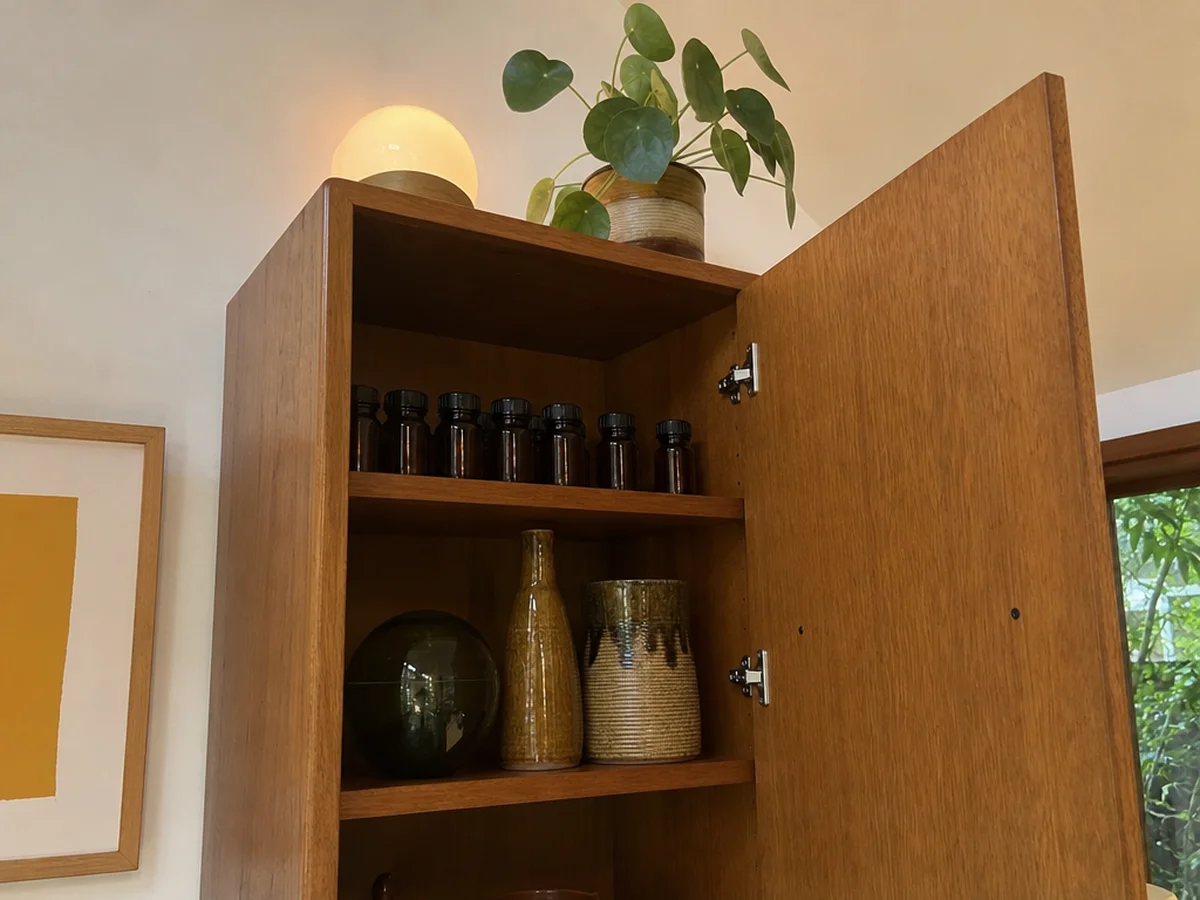
The simplest habit is storage: keep the bottle capped and high up, where a curious cat cannot knock it over. For human skin questions, the safety guide covers dilution and patch testing, and if you are curious about the oils themselves, the Geranium Essential Oil and Rose Geranium Essential Oil pages in our shop are the place to start. The same storage habit applies to any size, including the larger ones on our bulk page; our guide to buying geranium essential oil in bulk explains how bulk buying works.
With a little planning, a home with pets and a bottle of geranium can coexist very well: a high shelf, a closed door, a wiped counter and a vet on speed dial.
Rose Geranium Essential Oil
Rose Geranium Essential Oil from our own shop, in sizes from 0.5 oz to bulk.
From $24.99
Shop Now →Sources & Further Reading
- ASPCA. Geranium (Pelargonium species), toxic and non-toxic plants. aspca.org/geranium
- Merck Veterinary Manual, March 2025. Toxicoses from essential oils in animals. merckvetmanual.com