Is Geranium Oil Phototoxic? What the Sun Lists Say
Some essential oils come with a sun warning and some do not, and it is natural to wonder which group geranium belongs to. The short answer from the main safety references is that geranium oil is not among the oils they single out for sun reactions. The longer answer is a useful bit of essential oil know-how, because the oils that do carry the warning explain a lot about how to build a blend.
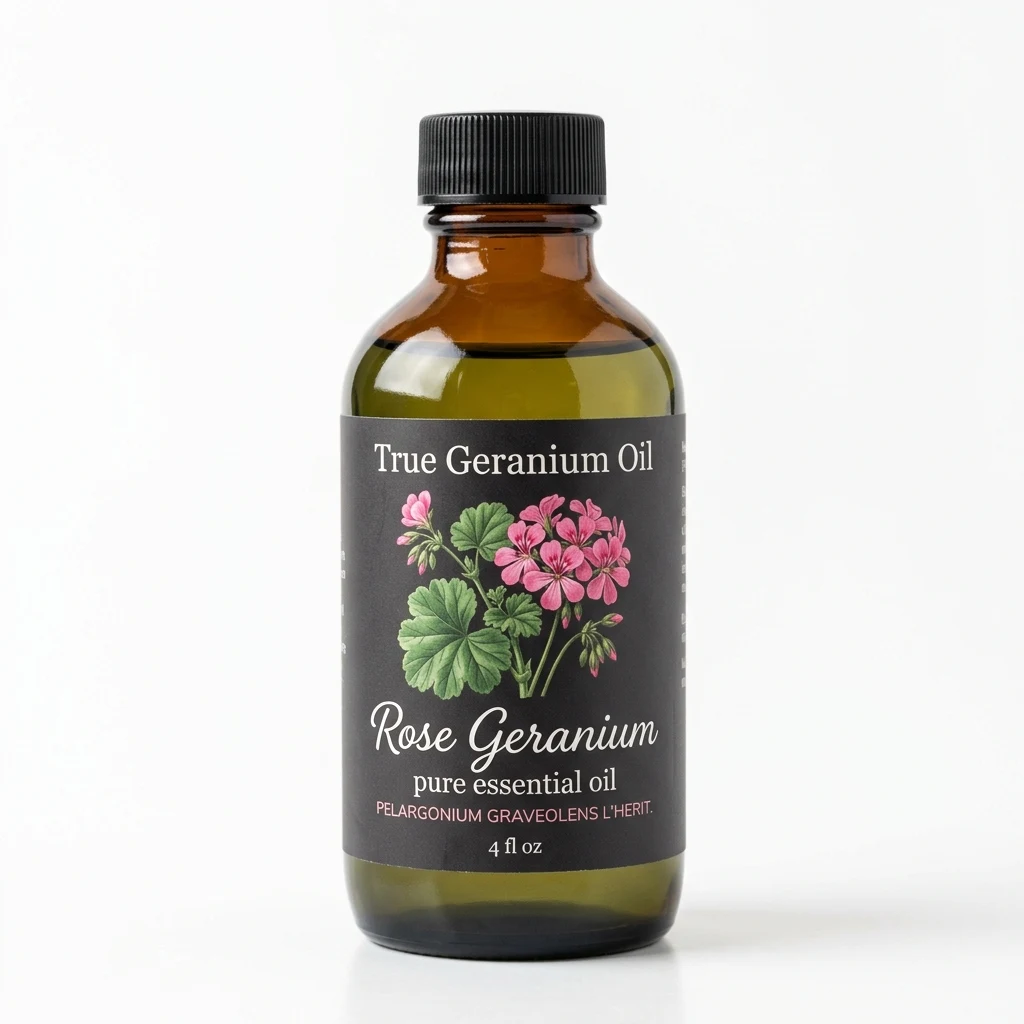
Rose Geranium Essential Oil
Our own Rose Geranium Essential Oil, in sizes from 0.5 oz to bulk.
From $24.99
Shop Now →What makes an oil phototoxic
The usual cause is a furocoumarin, a plant molecule that reacts with ultraviolet light on skin. The Tisserand Institute notes that furocoumarins are typically under 1 percent of an essential oil, but that even 0.1 percent can matter, and it names bergapten as one of the most potent (Tisserand Institute, phototoxicity page). Tagetes is flagged for a different compound, so furocoumarins are not the only route. IFRA applies its phototoxicity restrictions to products worn on skin that is likely to see sunlight, not to things that never touch skin, such as candles or air fresheners (IFRA guidance, 51st Amendment).
Where geranium stands
IFRA's guidance sorts its phototoxicity standards into two groups: a handful of single molecules plus tagetes, and furocoumarin-bearing natural materials such as angelica root, expressed bergamot, bitter orange, grapefruit, lemon and lime, cumin and rue. We extracted the full text of that 73-page document, and geranium does not appear in it. It is not on the Tisserand Institute's phototoxicity page either.
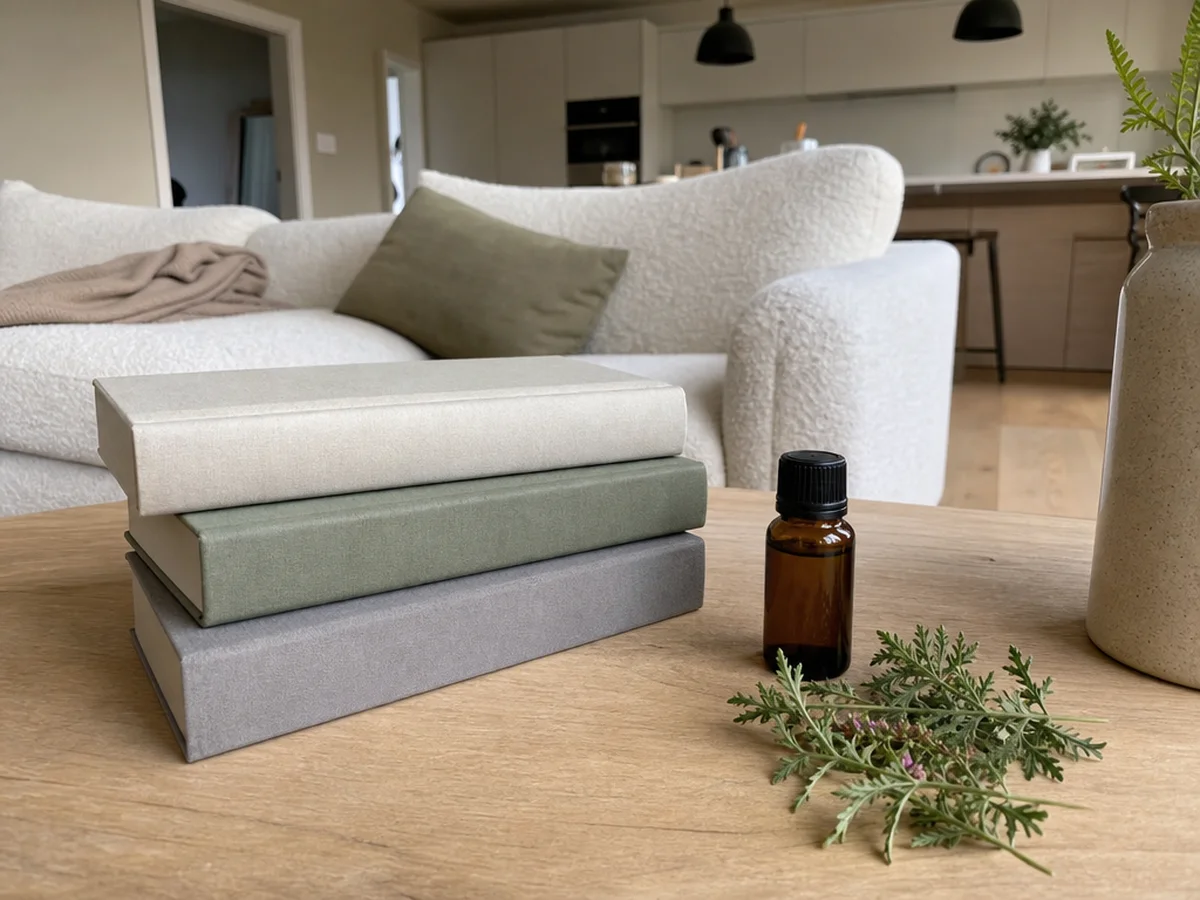
That is reassuring, and it is worth saying exactly what it means. Absence from a list tells you no restriction exists; it is not a published sun test of the oil, and we did not find one. We make no claim that either of our geranium oils protects skin from the sun or is proven sun-safe. Sunscreen is a different job. What the lists do suggest is that sunlight is not the first thing to think about with this oil, which brings us to what is.
Reading a label with the sun in mind
When you pick up any essential oil, it is worth a quick look at the label for a sun warning, or a note on whether a citrus oil is the furocoumarin-free kind. A bottle that says nothing is not a guarantee either way, so the habit that serves you best is to check each oil in a blend on its own terms, one at a time. Keep a short list in a notebook of the oils you use and any limit that applies to each. It takes five minutes and makes every future recipe easier to design.
The more useful skin question
For geranium, the practical skin question is allergy, which needs no sunlight at all. The short version is to dilute, patch test and start low, and the full picture, with the evidence, is in our safety guide and the patch test guide. We say 0.5 to 2 percent in a carrier oil with a patch test first, and low in that range for facial products.
Blending with citrus is where the sun rule comes in
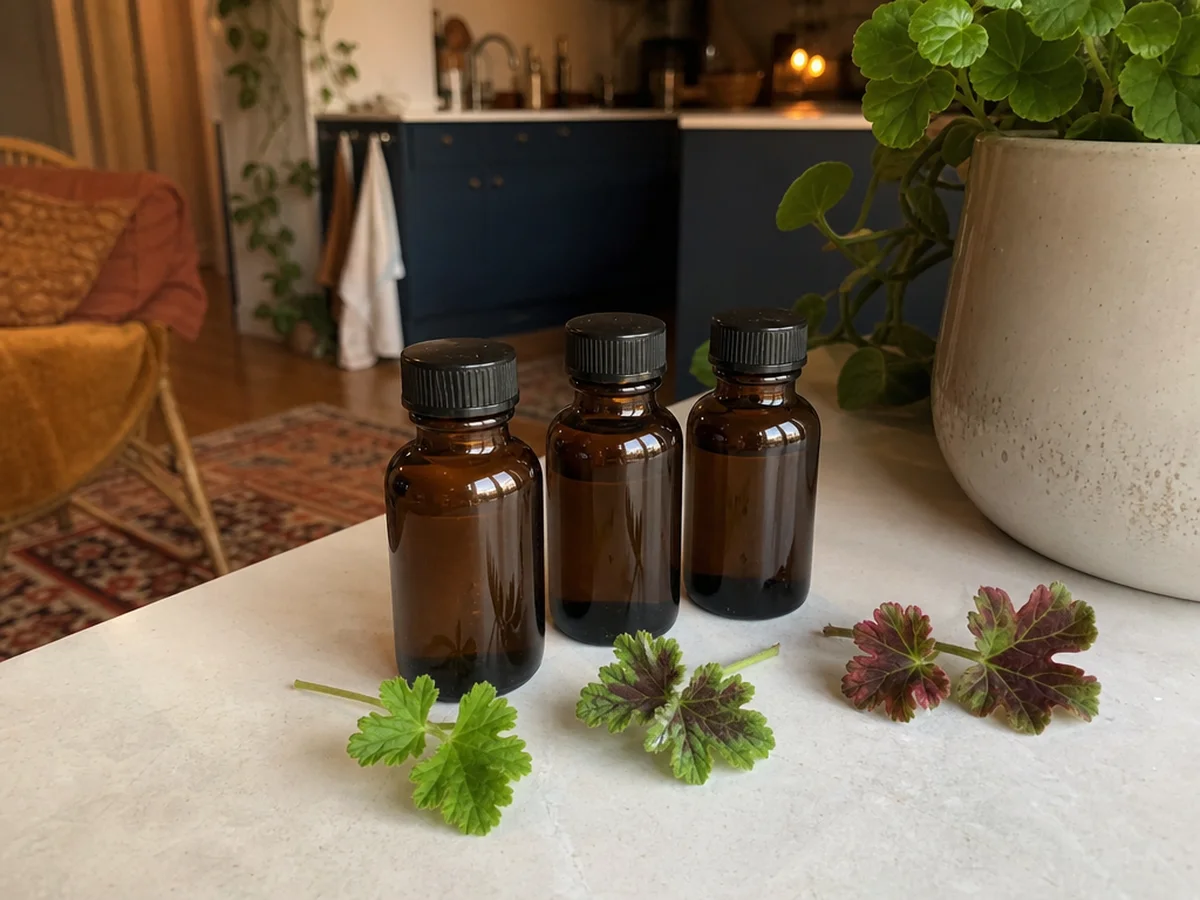
Geranium pairs beautifully with bergamot, and our shop pages list it among geranium's blending partners. Here the citrus oil sets the sun rule, not the geranium. The Tisserand Institute gives a maximum of 0.4 percent bergamot oil in a leave-on product for sun-exposed areas, with wash-off products excluded. Bergapten-free versions are treated differently, so check how any bergamot was made. IFRA's policy adds a tidy rule for combinations: when several furocoumarin-bearing materials are used together, each one's share of its own limit is added up, and the total must not pass 100 percent.
A quick example using the 0.4 percent figure: bergamot at 0.2 percent of a leave-on product uses half of its allowance, leaving the other half for any other such material. Geranium oil in the same bottle does not add to or subtract from that count on the evidence available. You can enjoy the rosy-citrus pairing and let the citrus oil's own limit do the sun work. Our blend ideas are in geranium blend partners, and the IFRA guide for makers shows how to read the standards.
A friendly way to plan a summer blend
If you like to wear your own body oil outdoors in warm weather, plan it the way you would plan a picnic: decide what has to be packed before you think about the fun parts. Start with the citrus oil's limit, if there is one, then add geranium for the rosy heart and let your nose decide the rest. A blend that is mostly geranium with only a small touch of citrus keeps the sparkle without crowding the limit, and it leaves you plenty of room to adjust.
If skin reacts in the sun
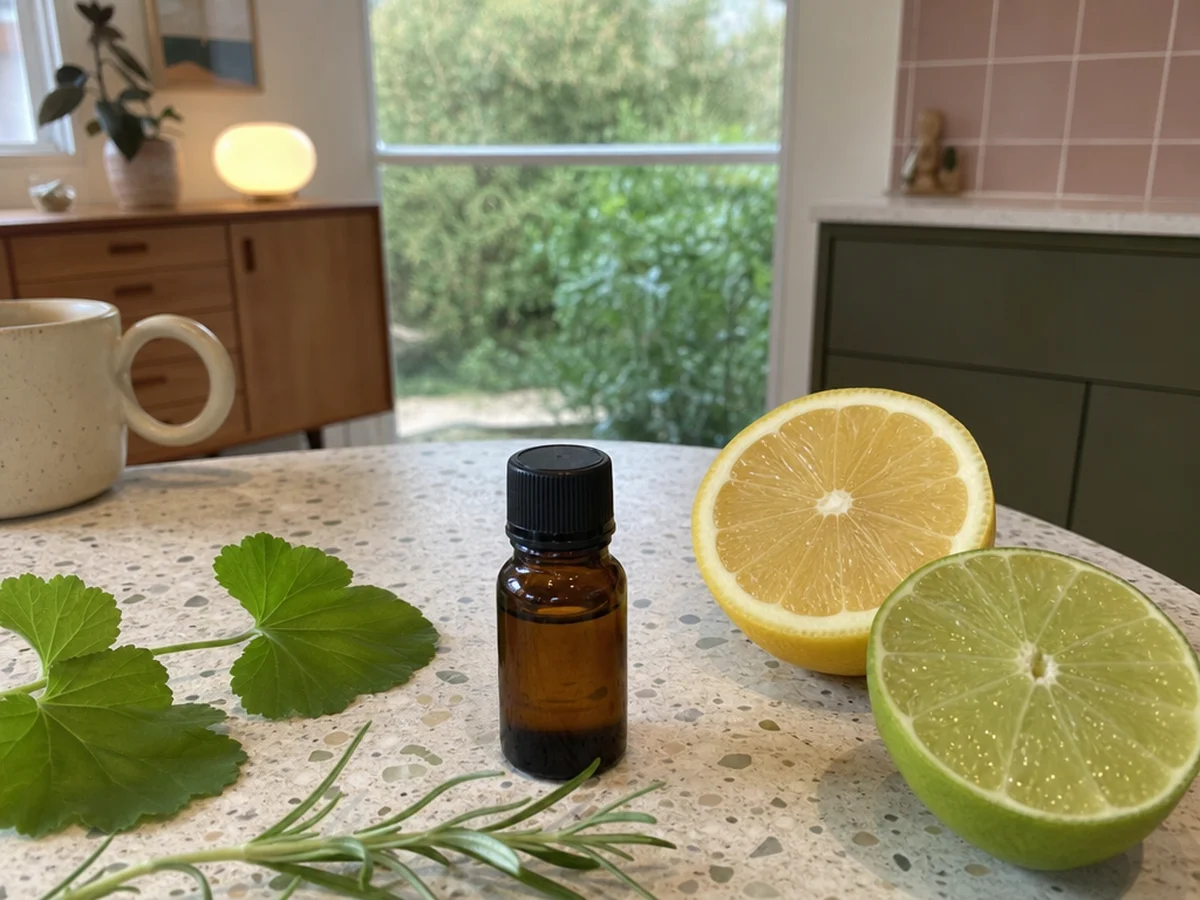
A red, itchy or darkened patch on sun-exposed skin can come from phototoxicity, from an allergy to a fragrance material, or from something unrelated, and a home test cannot tell these apart. Stop using the product and see a dermatologist. Clinic patch testing leaves patches on for 48 hours with a return visit four to seven days later, because some reactions are slow (AAD). Severe swelling, blistering or trouble breathing is an emergency. Anyone who is pregnant or nursing, or who has a skin condition, should ask a physician or dermatologist before trying a new essential oil product.
Our oils, Geranium Essential Oil and Rose Geranium Essential Oil, are external cosmetic oils sold neat, so the dilution is yours to work out. If you are developing a product and need an SDS or allergen declaration, ask us in writing before ordering. The Certificate of Analysis we publish covers one batch and reports its relative density and refractive index only.
So the sources do not put geranium on the sun list, and the citrus oils you might blend with it are the ones to watch. A list is a good guide and a dermatologist is a better one.
Rose Geranium Essential Oil
Rose Geranium Essential Oil from our own shop, in sizes from 0.5 oz to bulk.
From $24.99
Shop Now →Sources & Further Reading
- Tisserand Institute, undated. Phototoxicity of essential oils. tisserandinstitute.org/safety/phototoxicity
- IFRA, 2023. Guidance for the use of the IFRA Standards, 51st Amendment. IFRA guidance (PDF)
- American Academy of Dermatology. Patch testing. aad.org patch testing