Geranium Oil Patch Test: A One-Week Home Routine
A patch test is one of the nicest habits you can build around essential oils. It takes about two minutes, costs next to nothing, and means that the first time geranium oil meets a larger patch of your skin, it has already met a small one. Here is how to do it at home, and how long to wait before you decide it went well.
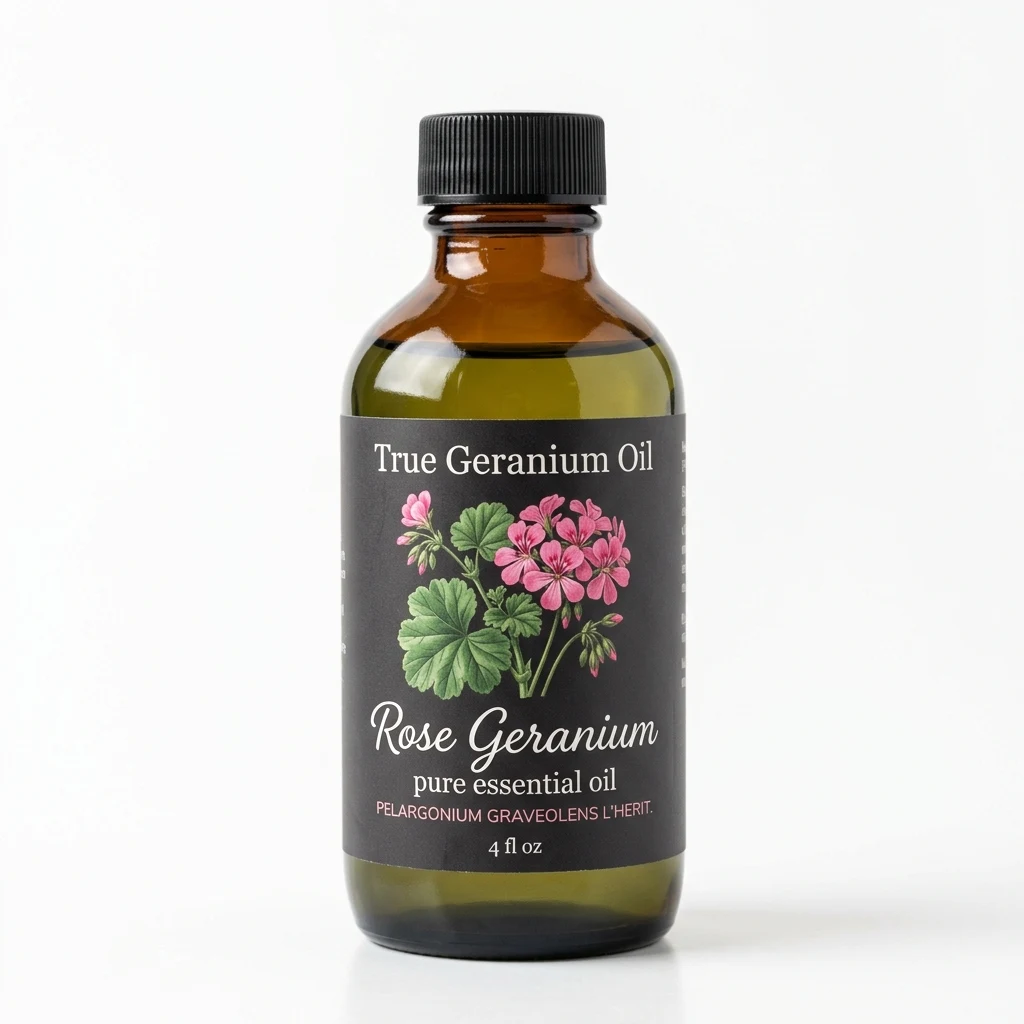
Rose Geranium Essential Oil
Our own Rose Geranium Essential Oil, in sizes from 0.5 oz to bulk.
From $24.99
Shop Now →Who should see a clinician instead
A home test suits healthy adult skin. If you have a rash in the area, eczema that flares with scented products, a history of reacting to perfumes or cosmetics, or a past reaction to any essential oil, a dermatologist or allergist can run a standardized patch test properly. If you are pregnant or nursing, ask your physician first, as our disclaimer says; the pregnancy article explains what the sources say.
Borrowing the clinic's timing
The clinical version is the template. A clinic places small amounts of suspected allergens under patches, usually on the back, and they stay in place for 48 hours. You return to have them removed, and again at four to seven days, because some reactions are slow to appear. Patches must not get wet, loosen or be scratched (American Academy of Dermatology). The NHS likewise says contact dermatitis usually appears "within a few hours or days" of exposure (NHS). That is why a home check after one hour tells you very little, and why the plan below runs for a week. It is a home adaptation of the clinical schedule, not a validated protocol.
The home version
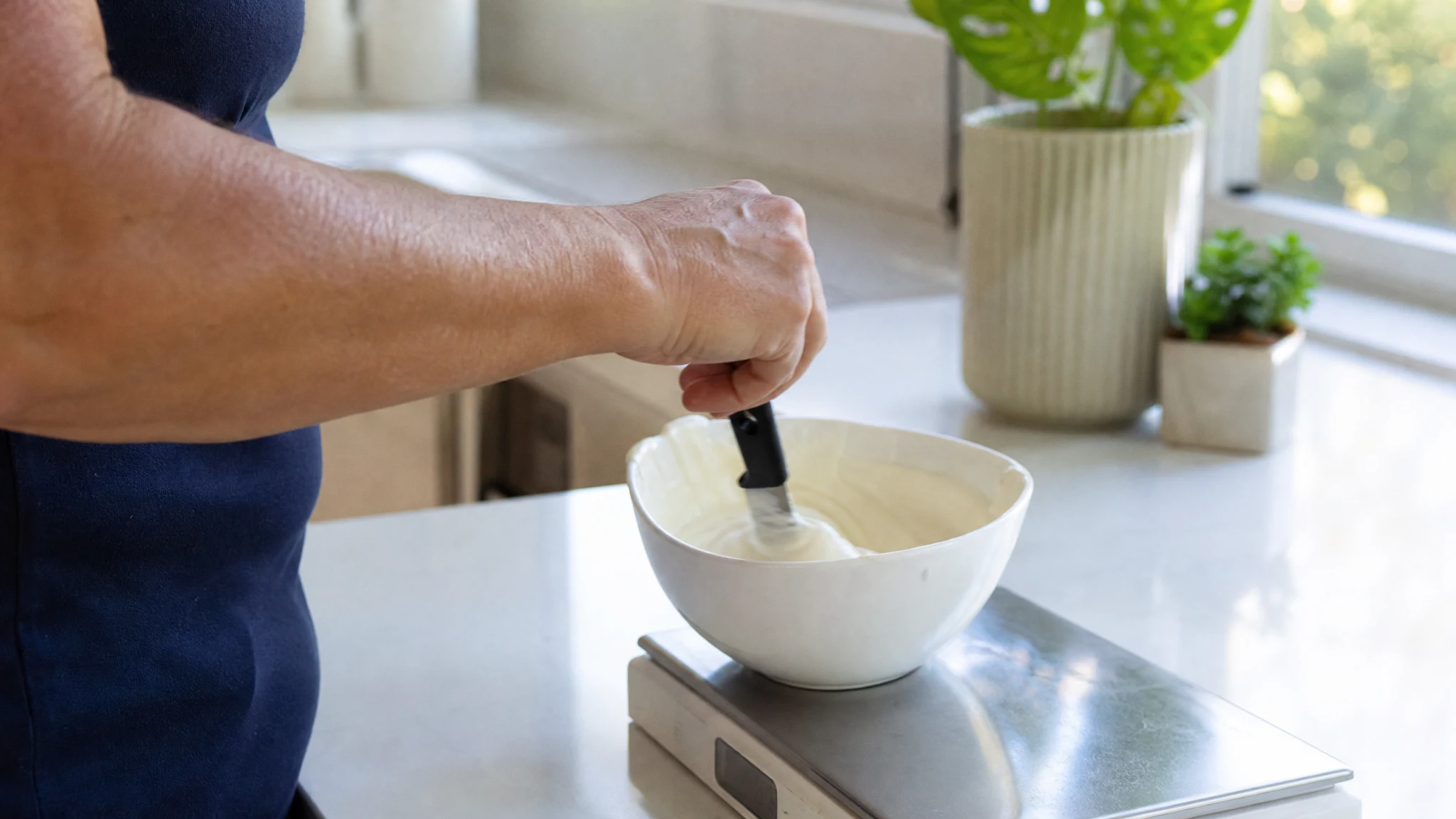
- Dilute to the strength you plan to use. Our oils are sold neat, so never test undiluted. A drop is about 0.05 ml (roughly 20 drops to the millilitre, and droppers vary), so one drop in 10 ml of carrier oil is about 0.5%, and one drop in 5 ml is about 1%. We say to use 0.5% to 2% in a carrier and to start at the low end for the face. Measure the carrier with a syringe or marked cup rather than by eye. Jojoba and sweet almond are carriers the shop pages mention; you can find them at a craft shop, pharmacy or grocery store.
- Add a control spot. Put a second small dab of the plain carrier a couple of fingers away. If both spots look the same, the carrier or the rubbing is more likely to be the cause than the geranium.
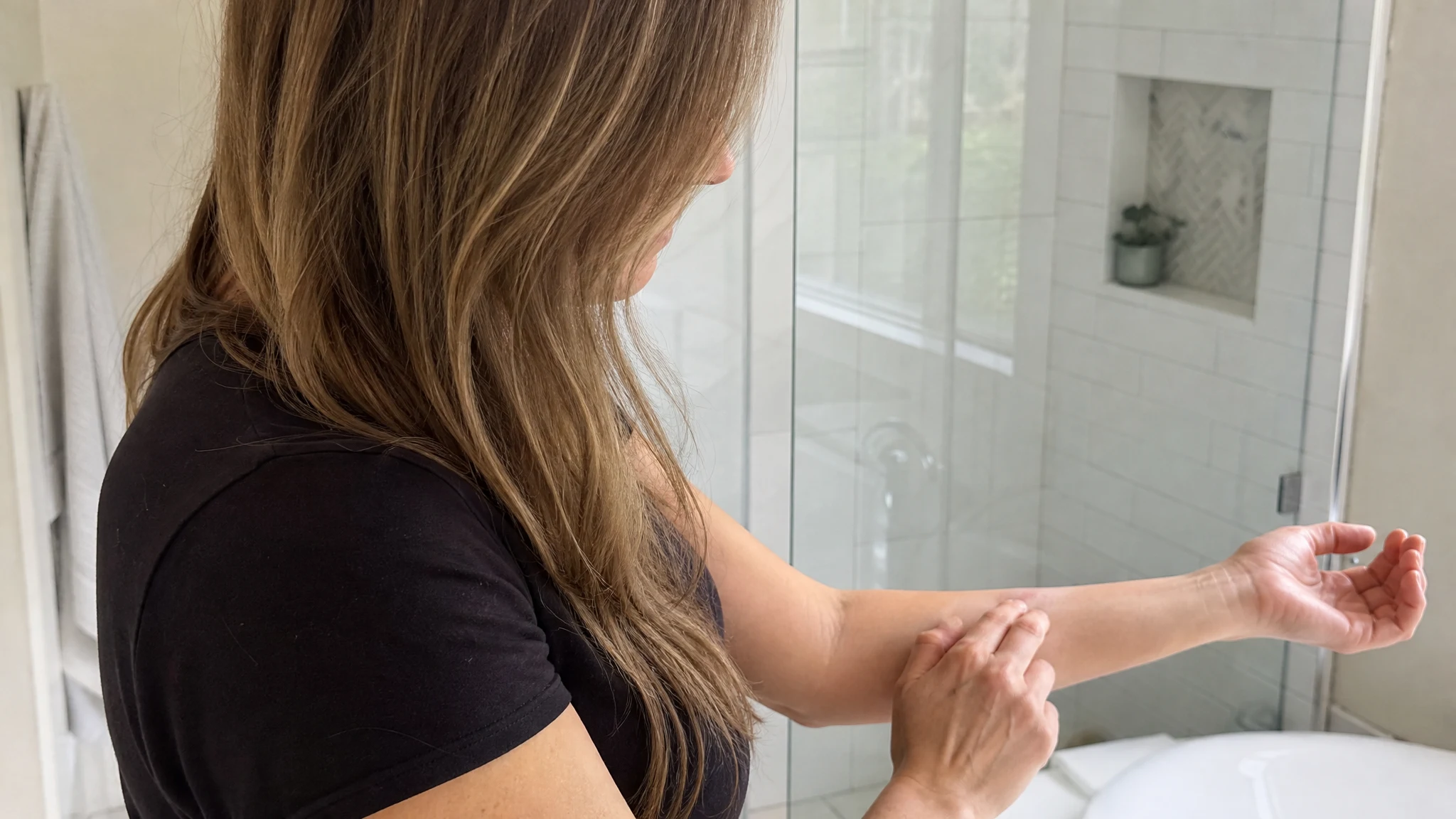
- Pick intact skin. The inner forearm is a good place. Spread a thin layer about the size of a coin, and leave it uncovered.
- Leave it alone. Try not to wash, scrub or layer other products over the spot for the first several hours.
- Look at 24 hours, 48 hours and again around day 4 to 7. Redness, itching, bumps, blisters or swelling at the geranium spot but not the control is a reaction.
- If anything appears, stop. Wash the area with water and don't use that mixture again. Keep the bottle and a note of the strength to show your clinician.
If the spot is clear at the end of the week, you have a good result for that oil, that carrier, that strength on that patch of skin. That is a perfectly good green light for the next step, such as the facial oil formulation, with dilution basics alongside.
Setting up your week
A little planning makes the week easy. Choose a start day when you are not changing other products, such as a new soap or laundry detergent, since a change elsewhere can muddy what you see. Set reminders on your phone for the 24 and 48 hour looks, and another for around day 4 to 7. Take a quick photo of the spot each time, in the same light, so you can compare without relying on memory. If you decide to see a clinician, those photos are a helpful thing to bring along.
What a spot test can and can't tell you
A clear spot is encouraging, and it is also modest. It does not predict whether skin might become sensitized after weeks of daily use, since sensitization can build up gradually. It tests one bottle on one day: geraniol and linalool, two of the fragrant molecules in geranium oil, change with air exposure, and oxidized forms were the stronger sensitizers in published patch-test series (see the safety guide). That is one more reason to keep the bottle tightly capped in a cool, dark place, and we say the oil typically keeps for 2 to 3 years that way. If an oil changes smell, or you open a new bottle, repeat the test. A red spot at home can't tell irritation from allergy either, and a dermatologist can read the difference. Finally, a finished soap, lotion or candle contains more than geranium, so a test of the oil in a carrier can't clear every ingredient in a product.
Make the notes useful
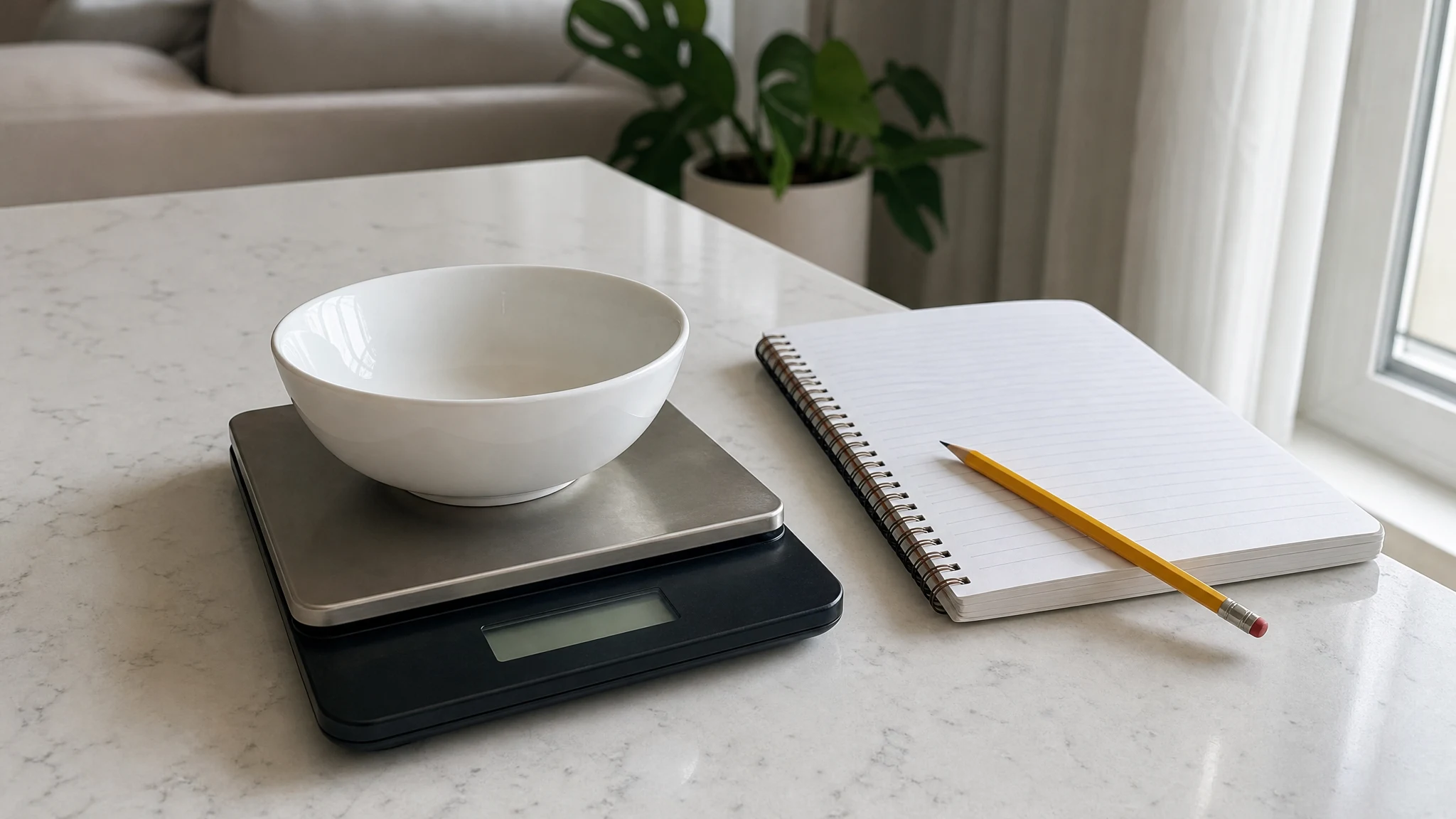
Keep a small card with the date, the strength you used, the carrier and the oil, and tuck it in with the bottle. When you later make the facial oil or the body butter, you will know exactly which blend passed. If you change the carrier or raise the strength, treat it as a new test. A fresh dab takes two minutes and keeps the record honest.
When to call someone
- Right away: swelling of the face or lips, vomiting or trouble breathing. The AAD notes that serious reactions to clinic patches are rare but can happen within about 30 minutes, and they need immediate medical care.
- That week: a reaction that is persistent, recurring or severe. The NHS suggests a GP visit, who may refer you to a dermatologist.
- Before using the oil again: any reaction to the test. Ask a dermatologist or allergist about standardized patch testing for fragrance materials.
- Swallowed, or in the eyes: call poison control on 1-800-222-1222 in the US without waiting for symptoms.
Patch testing is a small ritual, and it is a nice one: you are getting to know an oil before you invite it into your routine. Take your time with it, and enjoy the first proper smell of your diluted blend once the week is up.
Rose Geranium Essential Oil
Rose Geranium Essential Oil from our own shop, in sizes from 0.5 oz to bulk.
From $24.99
Shop Now →Sources & Further Reading
- American Academy of Dermatology. Patch testing. aad.org patch testing
- NHS. Contact dermatitis. nhs.uk/conditions/contact-dermatitis