How to Scent Lotion With Geranium Oil: A Simple Method
A good lotion is quiet, and geranium oil is a lovely way to give it a voice: a rosy, green, softly sweet note that sits well with plain, creamy bases. The scenting itself takes about two minutes. What makes it come out well is a little order of operations, a gentle rate, and starting from the right kind of base.
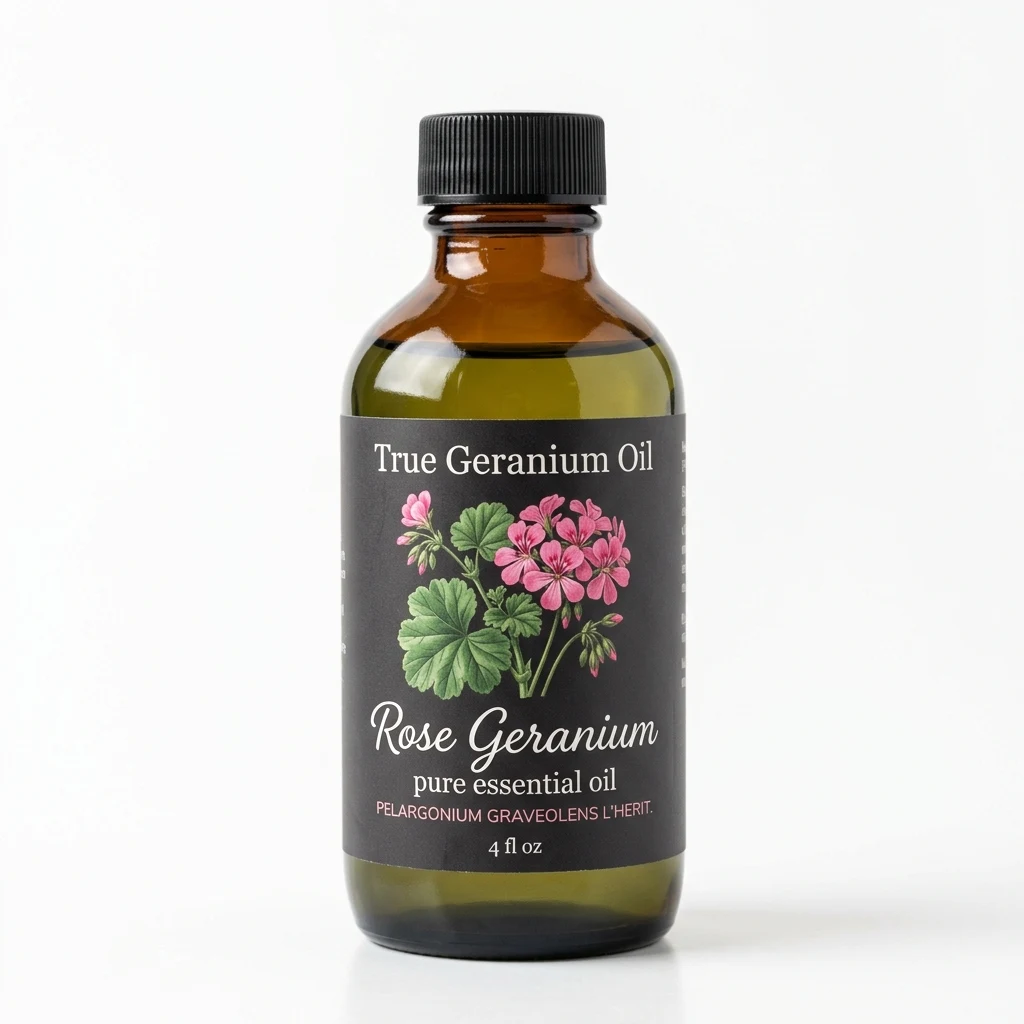
Rose Geranium Essential Oil
Our own Rose Geranium Essential Oil, in sizes from 0.5 oz to bulk.
From $24.99
Shop Now →Start with a base that is already preserved
A lotion is mostly water, and water needs a proper preservative system to stay fresh. The FDA lists contaminated raw materials and water, poor manufacturing, inadequate packaging and an ineffective preservative system among the ways cosmetics become contaminated, and notes that heat and damp storage can wear preservatives down (FDA, page current as of 10/15/2024). Essential oil is not a substitute for that system.
So for a first batch, the friendly route is a ready-made unscented lotion base from a craft or cosmetic-ingredient supplier, one that already contains its preservative. Ask for its data sheet and note the maximum amount of added oils it takes. Our Rose Geranium page points to exactly this kind of unscented base for diluted skincare. We sell the oil only, so the base, jars and scale come from your supplier. Building an emulsion from scratch, with your own emulsifier, preservative and pH, is a job for a cosmetic formulator, especially if the lotion will be sold.
Add the oil last, once everything is cool
The order that works with almost any lotion is: make the base, let it cool, then scent. Heat chases off the lively top of an aroma (the shop describes both of our oils with minty, citrusy glints, and those go first), and heat is also what tires out preservatives. Preservative makers publish their own temperature limits, so check your base's sheet for the point below which additives go in. Avoid re-melting a finished lotion just to scent it.
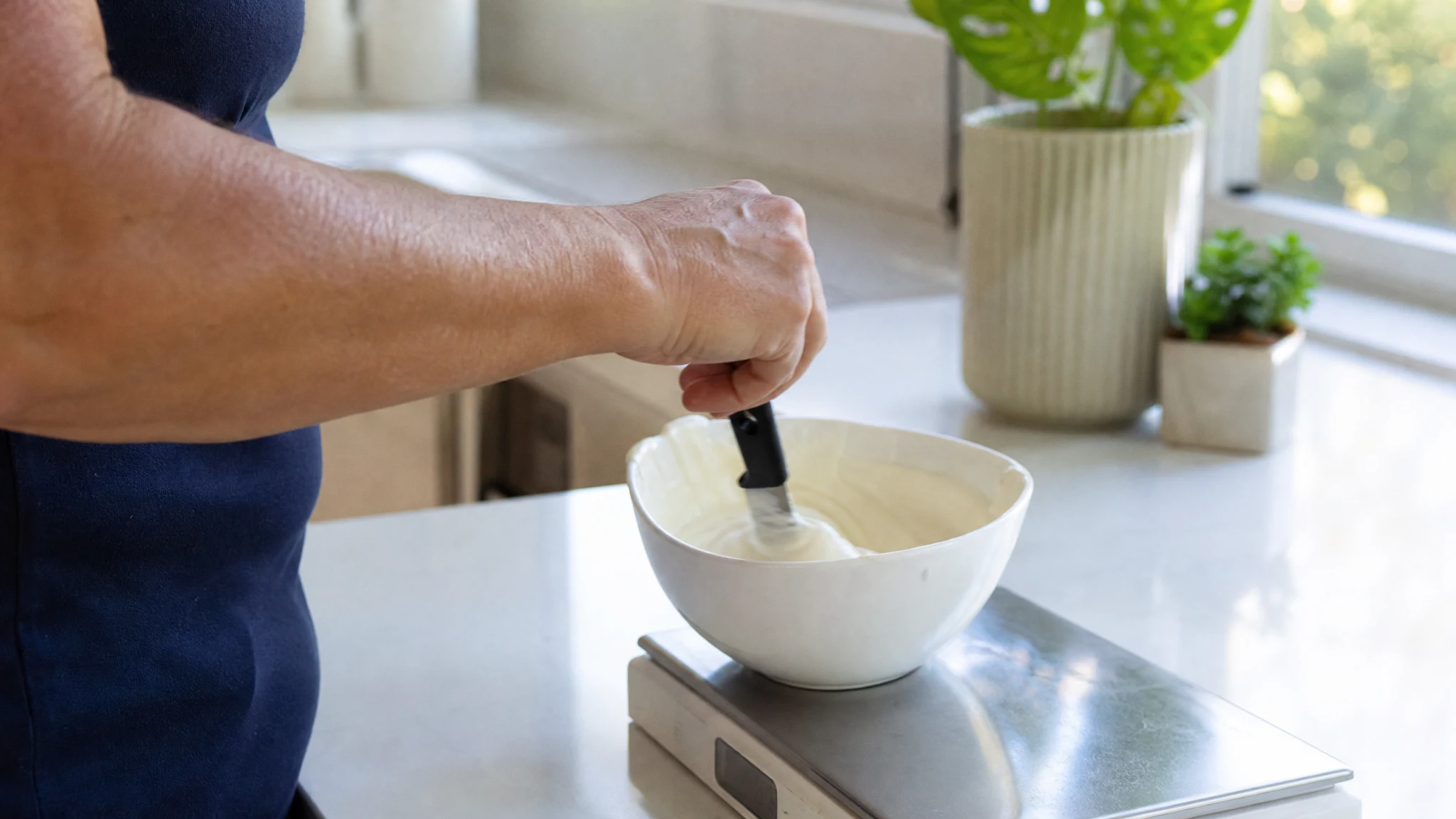
Geranium oil does not mix with water, so it settles into the oily droplets of the emulsion. Weigh it on a small scale, stir it into a spoonful of lotion first, then fold that back into the batch slowly so you do not whip in air.
When you fold it in, take a moment to smell the lotion. Geranium opens green and leafy, then the rose comes through, and you may find the scent seems softer in a lotion than it did in the bottle. Wait a few hours before you judge it, since a fresh batch can smell different once it has settled. If you want more, add a little at a time to a small portion rather than to the whole batch.
How much to use
We say to dilute our oils to 0.5% to 2% in a carrier for skin, patch test first, and start at the low end for facial products. For a lotion, a pleasant place to begin is 0.5% to 1% of the finished weight, and 0.5% for anything that goes near the face. The Tisserand Institute offers general ranges that point the same way: 0.5% to 1.2% for facial cosmetics, 1% to 3% for body lotions, and 0.2% to 1% for sensitive skin (Tisserand Institute dilution guide). Makers who sell their products also look at IFRA, whose geraniol standard caps one fragrance molecule by product type. Dividing the body-lotion cap of 1.2% by the 17.7% geraniol that IFRA lists as typical for geranium oil gives a ceiling of about 6.8% (IFRA Standard 037). That is an industry ceiling, comfortably above what a gentle scented lotion needs, and our guide for makers shows how to work it through for your own product.
Here is the arithmetic, using 0.881 g per ml (the density measured on the batch on our Certificate of Analysis) and about 20 drops per ml. Droppers vary, so weighing is always better.
| Finished lotion | 0.5% | 1% |
|---|---|---|
| 100 g | 0.5 g, about 11 drops | 1.0 g, about 23 drops |
| 250 g | 1.25 g | 2.5 g |
If you add a little too much, you cannot take oil back out, but you can dilute: the extra base needed is the batch weight times (current percent divided by target percent, minus 1). A 100 g batch at 2% needs another 100 g of base to land at 1%. Make 100 g first, which is plenty to test.
Label the jar
Write the date, the scent and the percentage on every jar, on the side and the lid. Keep a note of the base you used, the batch weight and the grams of oil. A lotion you loved is one you can make again only if you wrote it down.
Before you use or sell it
Patch test a small area before wearing it widely (our patch testing guide explains how), and keep the lotion away from eyes, children and pets, as we say. If you are pregnant, nursing or managing a skin condition, our disclaimer says to check with your physician first. If you plan to sell, labelling has its own rules, covered in labelling products with geranium oil, and a regulatory consultant should see the final label. For a body oil rather than a lotion, the carrier oil guide is the place to go next.
Geranium oil is the scent, not the preservative or the base. Pair it with a good base and a light hand, and a simple lotion becomes something you will reach for. See the Rose Geranium Essential Oil and Geranium Essential Oil pages for sizes. If you need an allergen declaration or composition report for a product you plan to sell, ask us in writing before ordering; the Certificate of Analysis we publish covers one batch and shows density and refractive index.
A good lotion is quiet and a little patient: a base you trust, a light hand and a note on the jar.
Rose Geranium Essential Oil
Rose Geranium Essential Oil from our own shop, in sizes from 0.5 oz to bulk.
From $24.99
Shop Now →Sources & Further Reading
- FDA, 2024. Microbiological Safety and Cosmetics. fda.gov
- Tisserand Institute. Essential oil dilution. tisserandinstitute.org
- IFRA, 2023. Standard on Geraniol (STD 037), 51st Amendment, and Annex on contributions from other sources. IFRA_STD_037