What Blends With Geranium Oil? Seven Pairings to Try
Geranium is one of the friendliest oils to blend with. It sits comfortably in the middle of a blend, rosy and green with a little mint and citrus flashing through, and it acts as a bridge between brighter top notes and deeper base notes. Our two shop pages name seven oils that suit it, and each does something different, so the fun is in choosing what you want the blend to say.
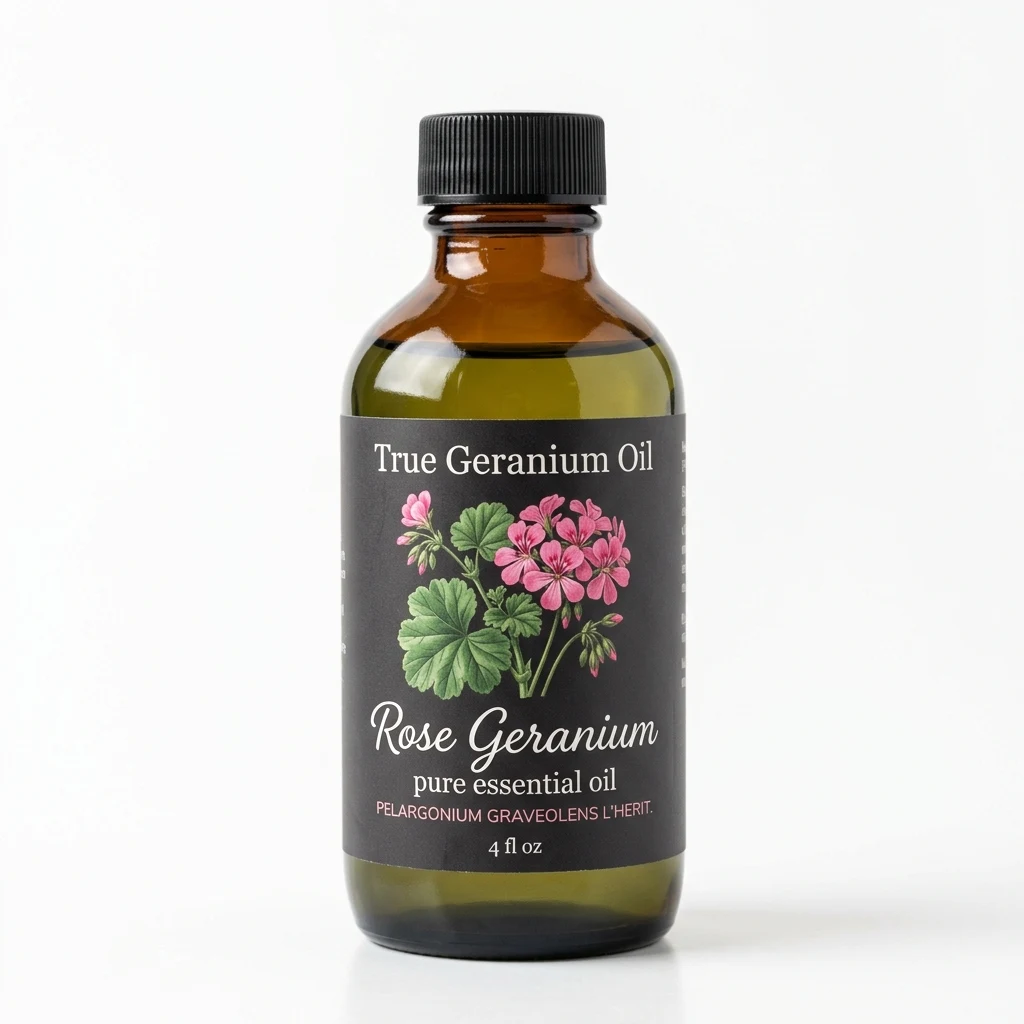
Rose Geranium Essential Oil
Our own Rose Geranium Essential Oil, in sizes from 0.5 oz to bulk.
From $24.99
Shop Now →What geranium brings to the table
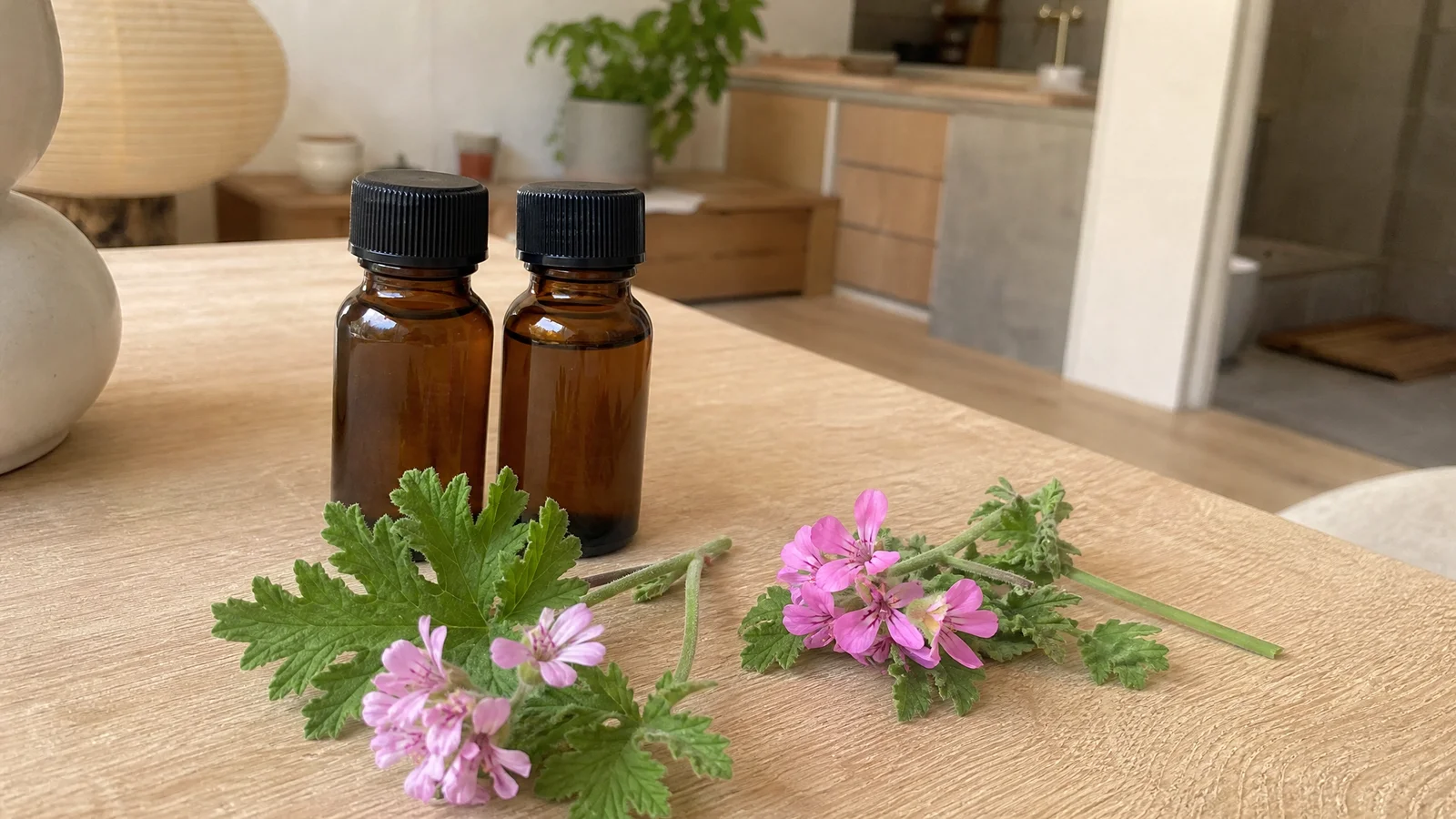
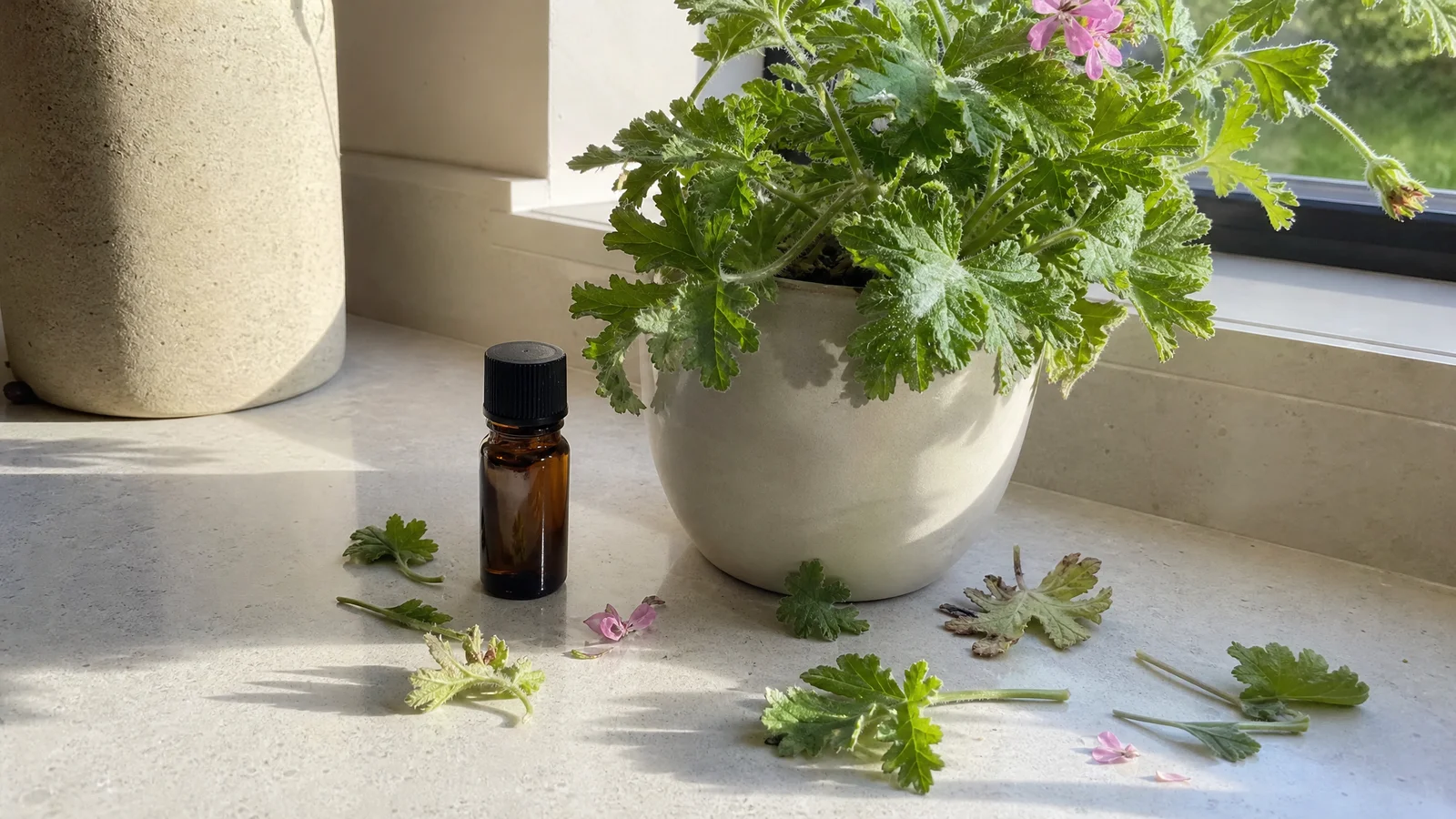
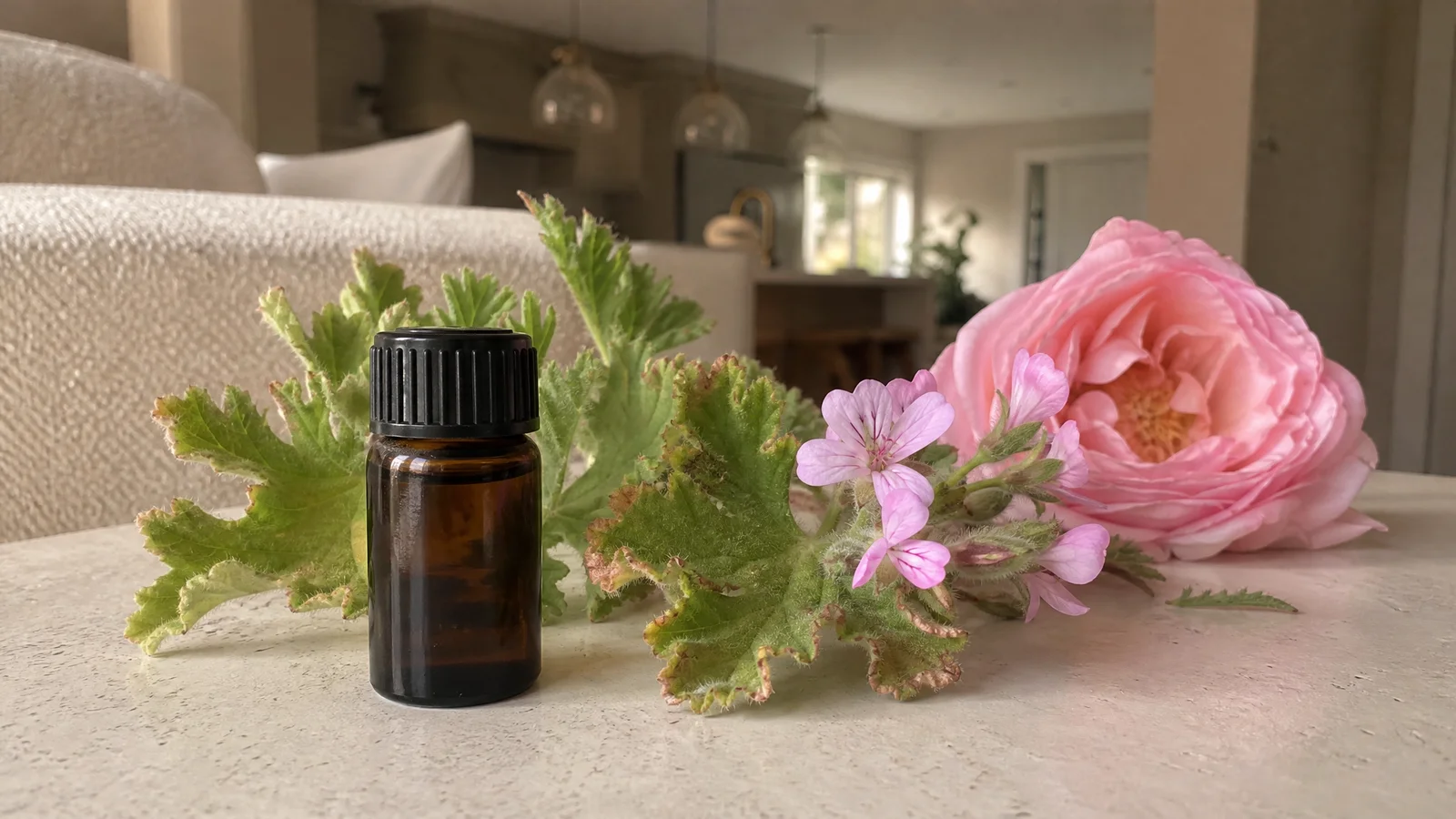
The shop describes the Geranium Essential Oil as rosy, green and lively, like crushed leaves wrapped around a rose heart, and the Rose Geranium Essential Oil as the rosier, softly sweet one of the pair. Both are listed as middle notes. That is useful in practice: a middle note carries a blend, so the partner you choose decides whether the result feels bright, soft, herbal or deep. The Rose Geranium page also points out that perfumers have long used geranium as a stand-in for rose, which is a good clue that it loves floral company.
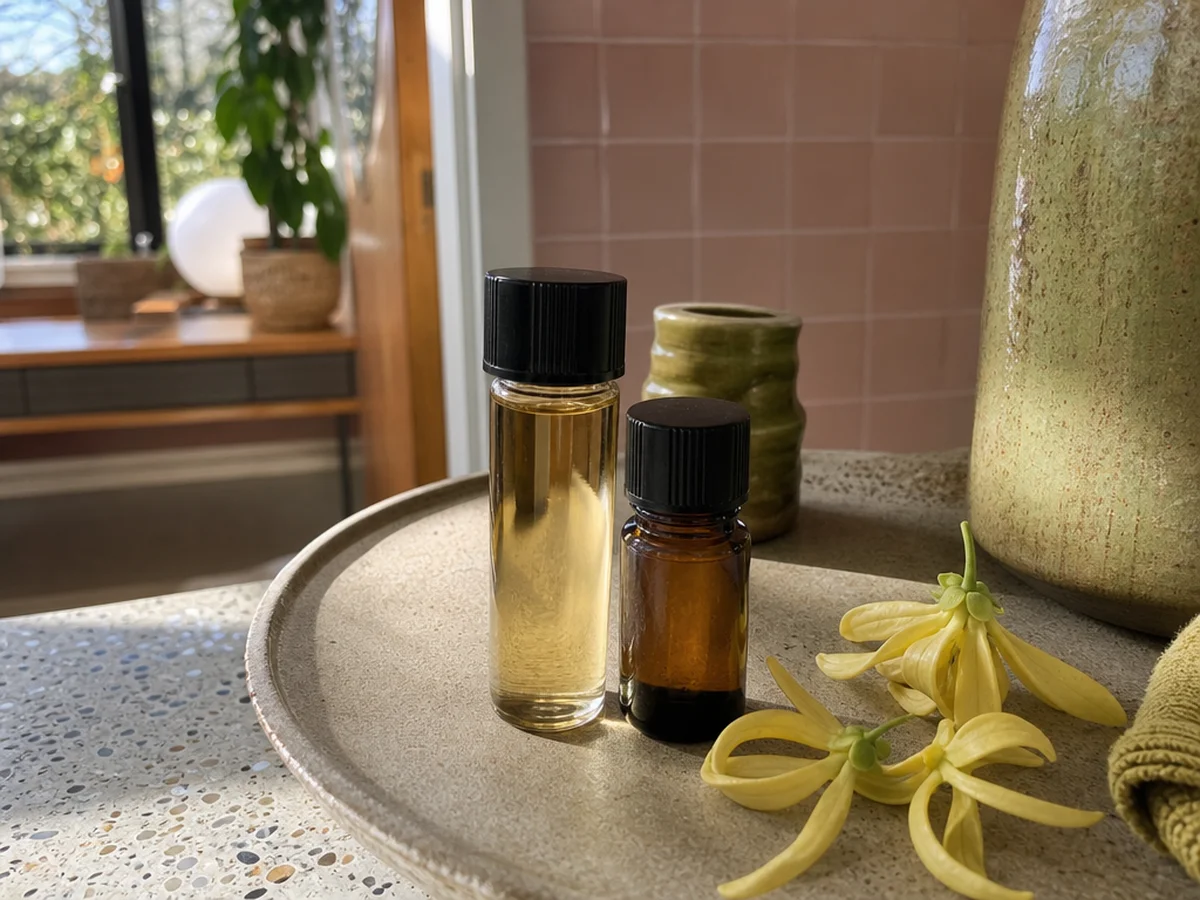
Seven partners and what each one does
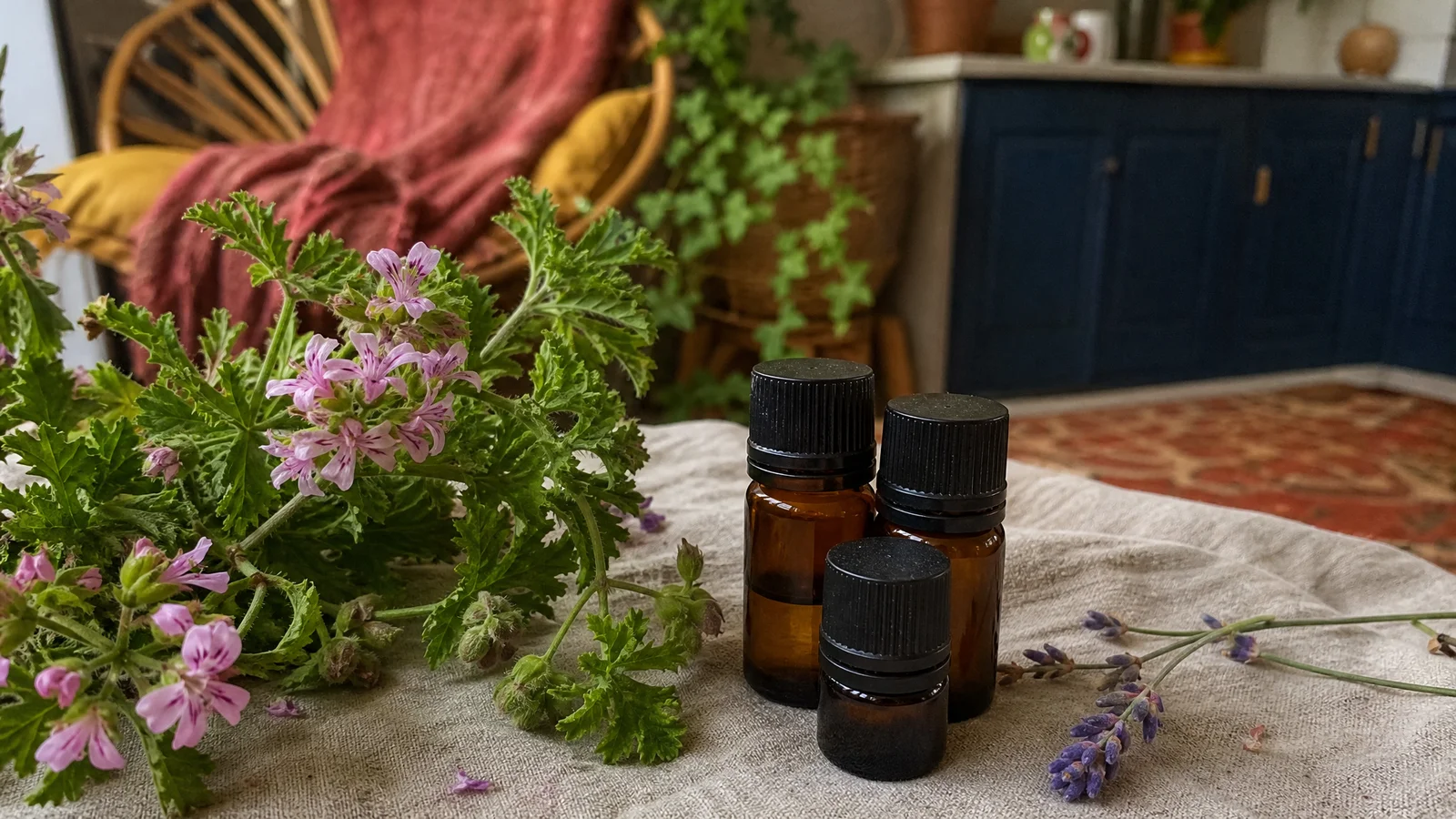
Lavender and clary sage lean into geranium's green, herbal side. They make a calm, garden-like blend that smells fresh rather than sweet. Bergamot and grapefruit go the other way, adding sparkle on top so the rose heart feels lifted and airy. Ylang ylang turns up the floral sweetness for a lush, creamy bouquet, which is lovely in small amounts. Sandalwood and patchouli bring warmth underneath: sandalwood smooths and rounds, while patchouli adds an earthy depth that makes geranium smell more like a rose garden after rain.
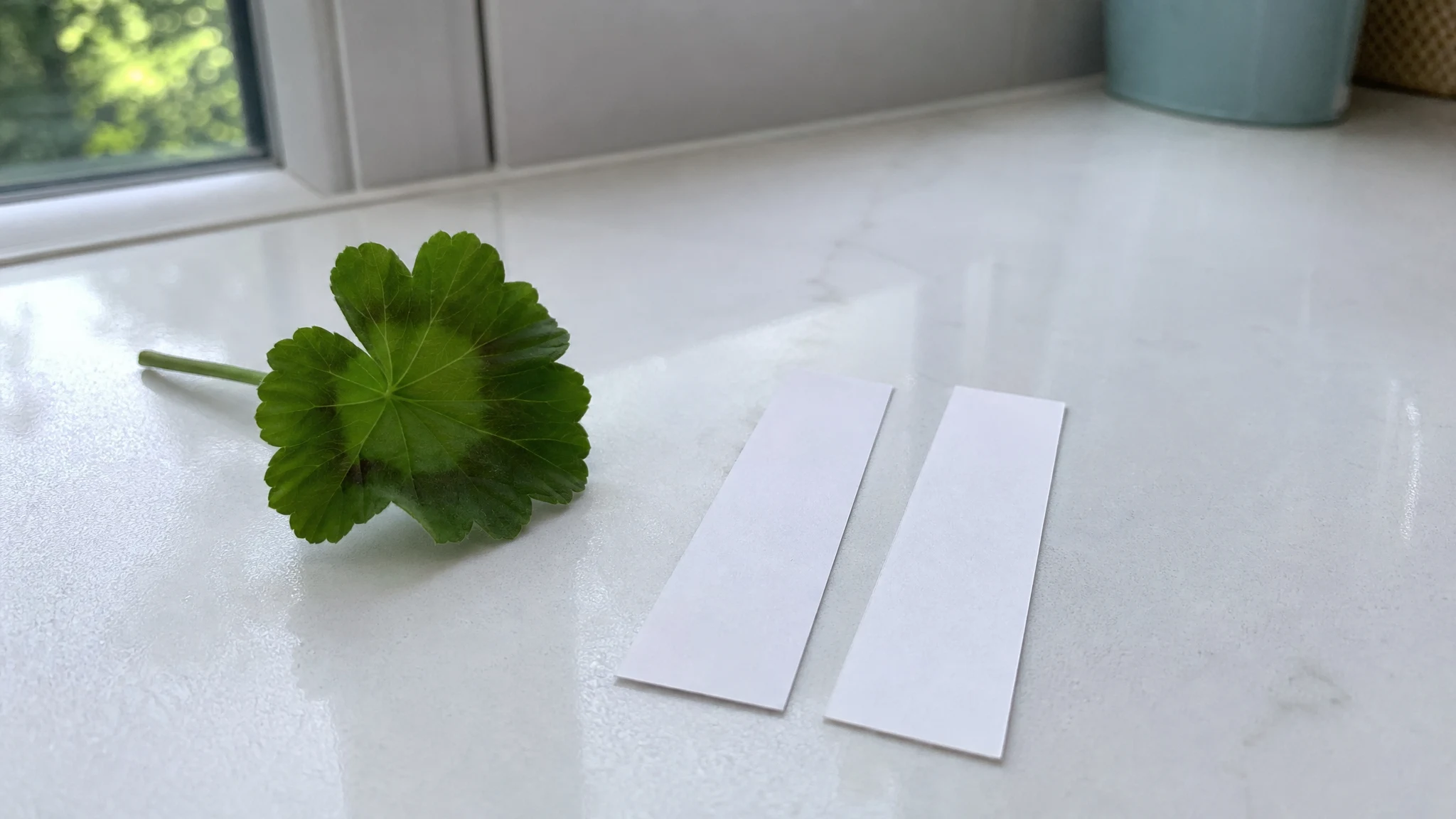
A simple way to start is a trio of one top, one middle and one base. Geranium in the middle, a citrus on top and sandalwood below is a classic shape. Smell each oil on its own on a paper strip first, then hold two strips together before you commit any drops to a bottle. Noses differ, and the strip test tells you more than any list can. Write the weights down as you go so a blend you love can be made again.
When you sniff the strips, give each pairing a minute. The first impression is often just the loudest oil, so wait until the sharp edges have settled and the blend starts to read as one scent. If one partner is shouting over the geranium, you have your answer already: next time, use fewer drops of it. Small changes, like one drop more or less, are easier to hear than big ones.
We sell the geranium side of these blends in our shop; the partner oils are available from a craft shop, a natural foods store or an essential oil supplier.
One number to keep in mind: the total
When you blend, dilution applies to the whole blend, not just to the geranium. The shop suggests 0.5% to 2% of the oil in a carrier for skin, starting at the low end for the face. If half of your blend is geranium and you want a 1% blend in a body oil, you have 0.5% geranium and 0.5% of the partner, which sits easily inside that range. The Tisserand Institute's general guidance runs from about 0.5% to 1.2% for facial and underarm products and 1% to 3% for body oils and lotions (Tisserand Institute, dilution), so thinking in total blend percentage keeps things simple.

Three partners with a little extra homework
Most partners are straightforward, and a few come with a published limit worth knowing before you make something to leave on skin.
Bergamot and grapefruit. Expressed citrus oils contain furocoumarins, which is why IFRA's guidance lists both. The Tisserand Institute reports the IFRA guideline for bergamot oil as a maximum of 0.4% in the final product for leave-on skin that will be exposed to sunlight, with wash-off products exempt (Tisserand Institute, phototoxicity). In a half-and-half blend, 0.4% bergamot means about 0.8% blend in total, comfortably in line with a facial range. For grapefruit, ask your supplier which figure applies and get it in writing. Citrus is delightful in room sprays and diffusers, where the skin question does not arise.
Ylang ylang. IFRA's annex of natural contributions shows eugenol and isoeugenol in the ylang ylang grades it lists, and both have standards of their own (IFRA annex, 51st Amendment). A little goes a long way both in scent and in paperwork, so a small percentage of the blend is plenty.
Palmarosa. It is not on our list, but many people reach for it to deepen the rose. It is mostly geraniol, which the same annex puts at about 82% against roughly 18% for geranium, so it changes the maths a good deal. If a rose accord is your goal, the rose accord article works through it, and the palmarosa comparison shows how the two differ.
Making it your own
Decide what the blend is for first, since a room spray, a body oil and a soap each have their own comfortable rates. The IFRA guide for makers explains how to find your product's category, and the scent profile article is a good companion for smelling with intent. For soap, see the soap blends article, and for the air, the diffusing article.
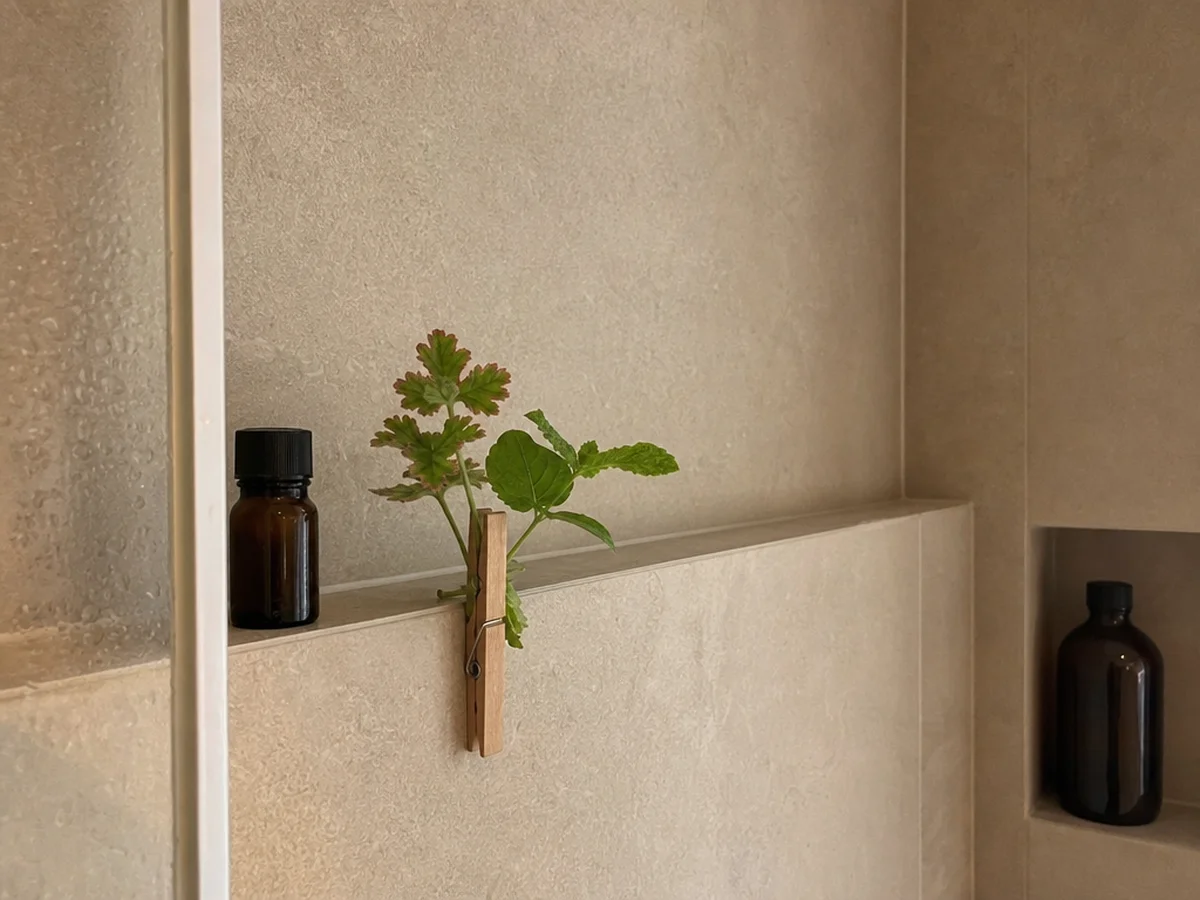
As with any blend for skin, patch test the finished mixture on a small area of forearm, because a reaction could come from any oil in it; our patch test article shows how. If you are pregnant or nursing, have asthma or a skin condition, or share your home with cats or birds, check with your physician or veterinarian first.
Pick one geranium, two partners and a quiet afternoon with some paper strips, and you will have a blend of your own by teatime. Both the Geranium Essential Oil and the Rose Geranium Essential Oil are ready for it. If you blend often, larger sizes are on our bulk page, and our guide to buying geranium essential oil in bulk explains how bulk buying works.
There is no wrong first blend, only the one you learn from. Keep your notes and your paper strips, and the next one will come easier.
Rose Geranium Essential Oil
Rose Geranium Essential Oil from our own shop, in sizes from 0.5 oz to bulk.
From $24.99
Shop Now →Sources & Further Reading
- Tisserand Institute. Dilution of essential oils. tisserandinstitute.org/dilution-essential-oils
- Tisserand Institute. Phototoxicity. tisserandinstitute.org/safety/phototoxicity
- IFRA, 2023. Annex on contributions from other sources to the IFRA Standards, 51st Amendment. IFRA annex, 51st Amendment