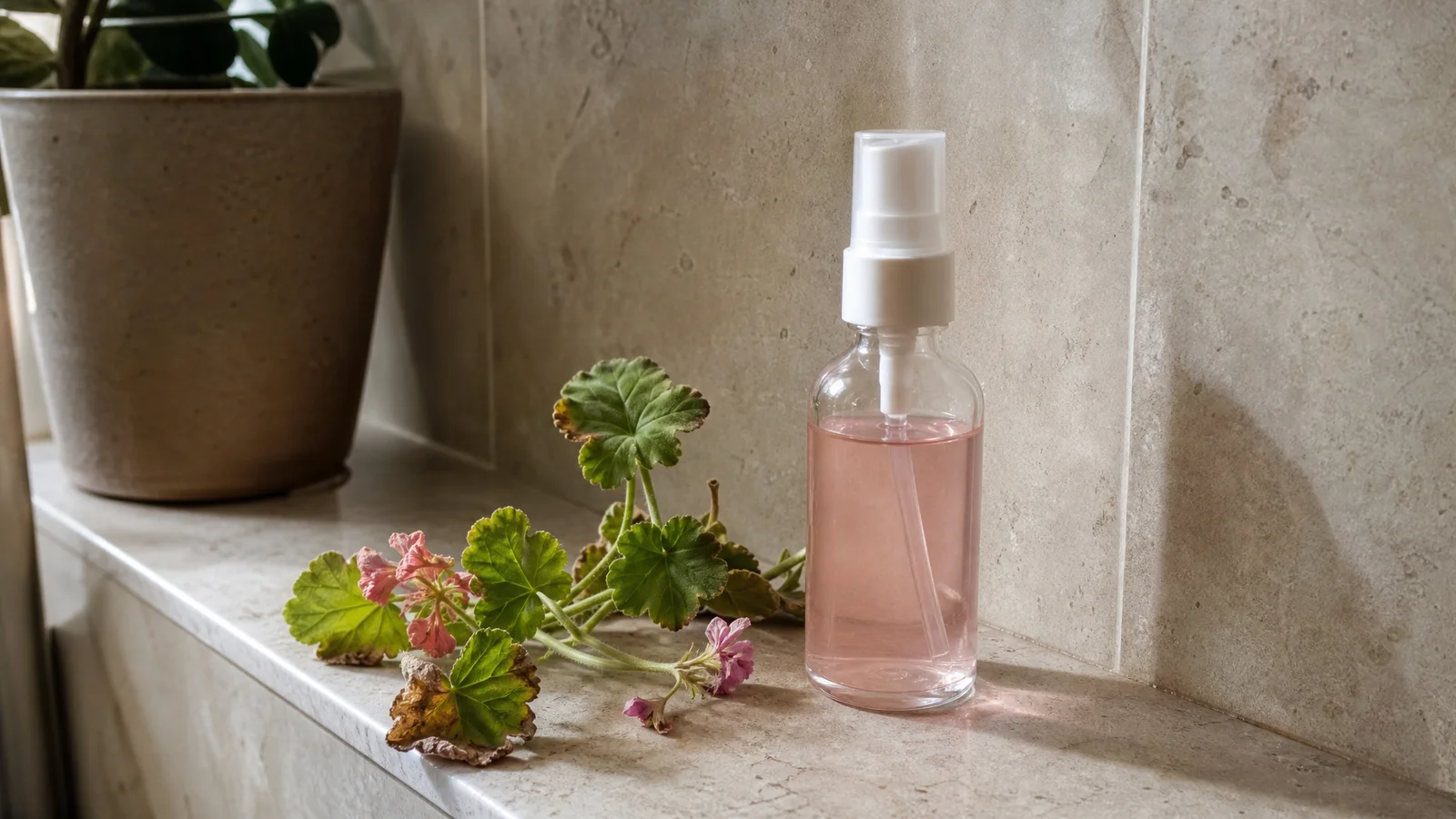
DIY Geranium Facial Mist: Mixing, Preserving, Safe Rates
A rose-scented mist on a warm day is a lovely idea, and geranium oil is one of the nicest ways to get there. The craft is all in the bottle: oil and water do not naturally mix, a water-based spray needs a preservative, and a face product calls for a gentle rate. Get those three things right and the oil is the easy part.
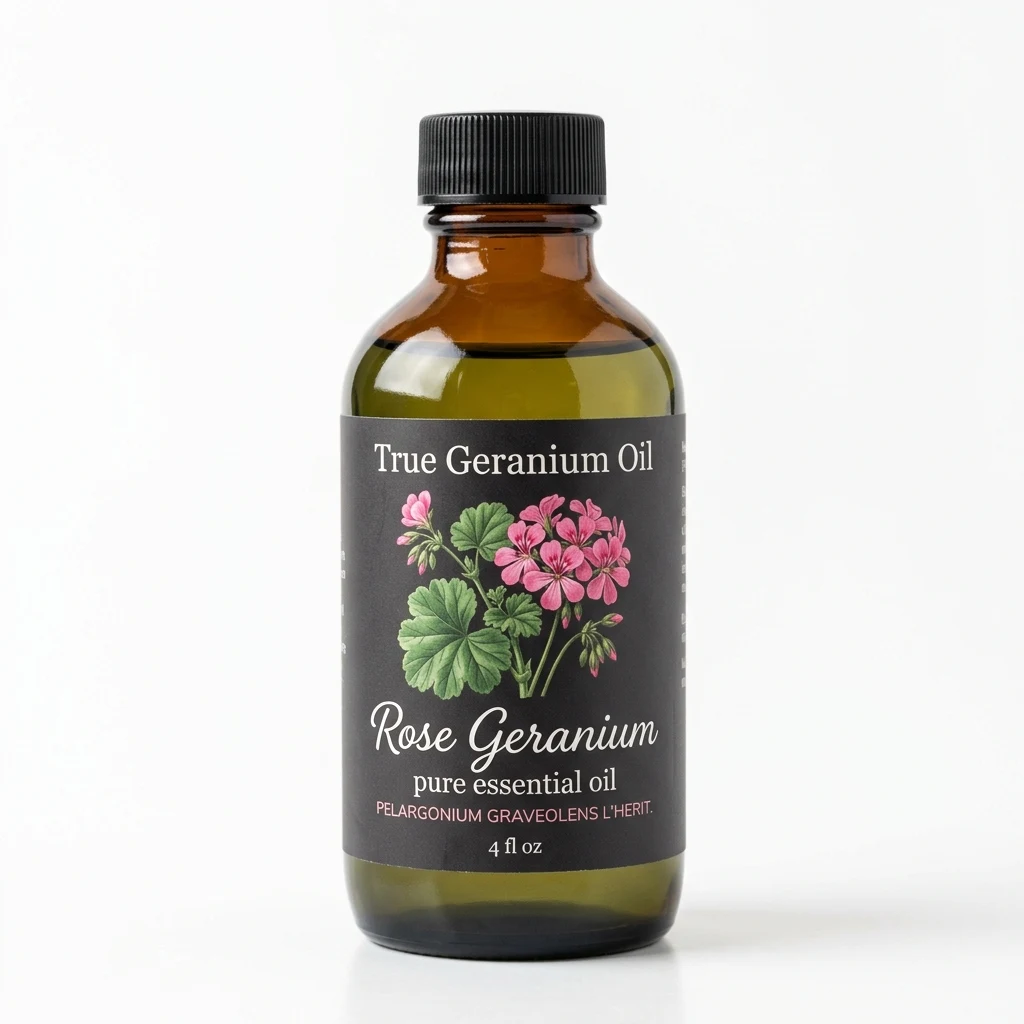
Rose Geranium Essential Oil
Our own Rose Geranium Essential Oil, in sizes from 0.5 oz to bulk.
From $24.99
Shop Now →Getting the oil to stay mixed
Geranium oil is lighter than water. The relative density on the Certificate of Analysis we publish for one batch is 0.881 at 20 C, against 1.000 for water, so drops of oil in a spray bottle simply float to the top. The dip tube then draws up whatever happens to be at the bottom, and one spray carries almost nothing while the next carries a bead of neat oil. Shaking helps for a moment, but the layers settle again before the next use.
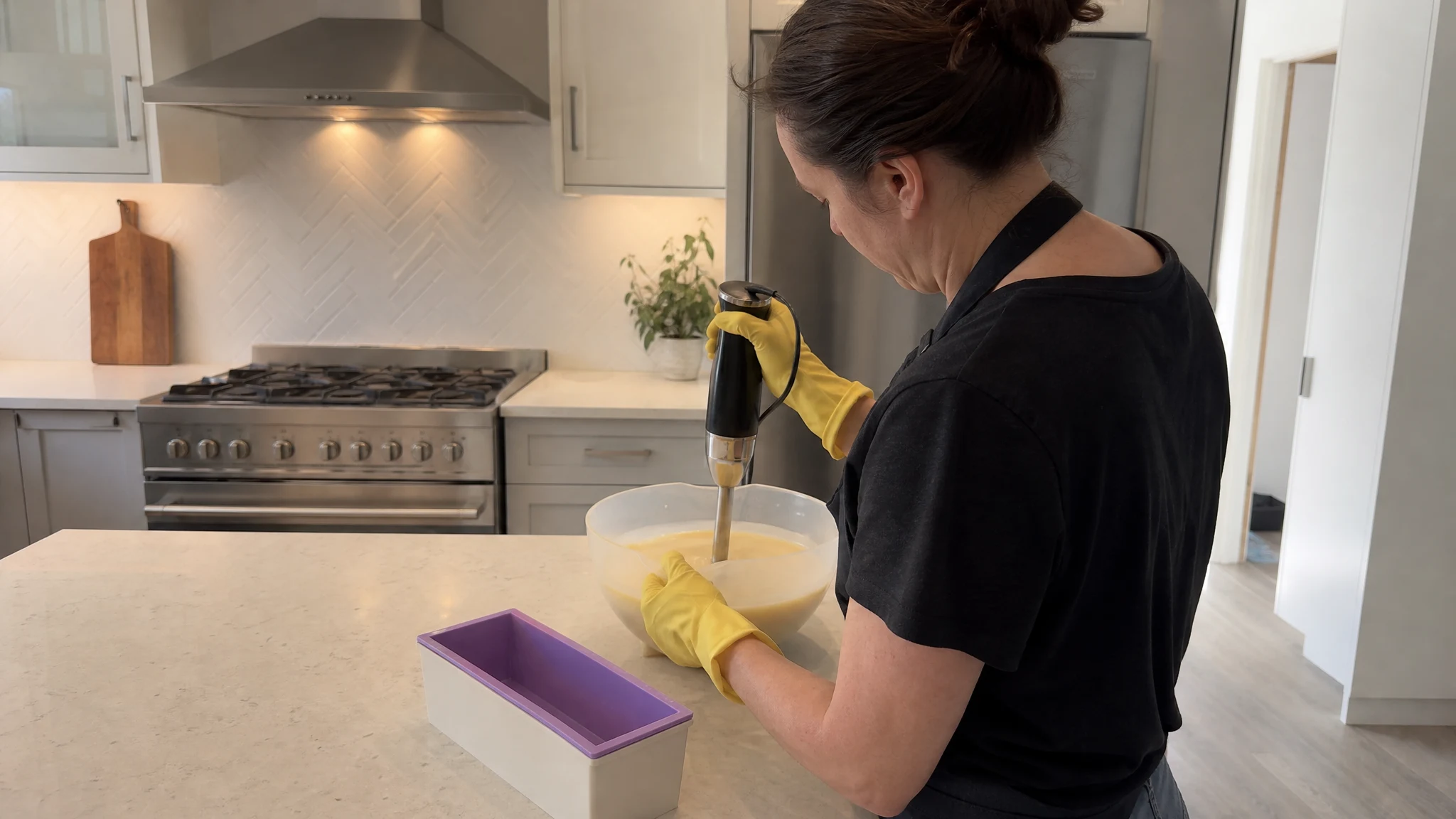
The fix is an ingredient that holds oil in water: a solubilizer (a gentle surfactant) or a measure of alcohol. Both come from a cosmetic supply or craft shop, since we sell geranium oil and nothing else. Our room and linen spray article walks through that choice for sprays that stay off the skin, and a face mist can use the same idea with a lighter hand. Our own advice is never to apply the oil undiluted, and an even mix is exactly what honours that.
Why a preserved base is the easy route
Anything with a lot of water in it is a welcoming home for microbes. A published review of cosmetic contamination says plainly that products with high water content are at risk of being contaminated, names Staphylococcus aureus and Pseudomonas aeruginosa as frequent finds, and notes that manufacturers add preservatives to prevent it (Lundov et al., Contact Dermatitis, 2009). The same review adds a reassuring point for makers: effective preservation is possible at levels well below the legal maximum, so the goal is a well-chosen preservative used at the supplier's rate, not a heavy hand.
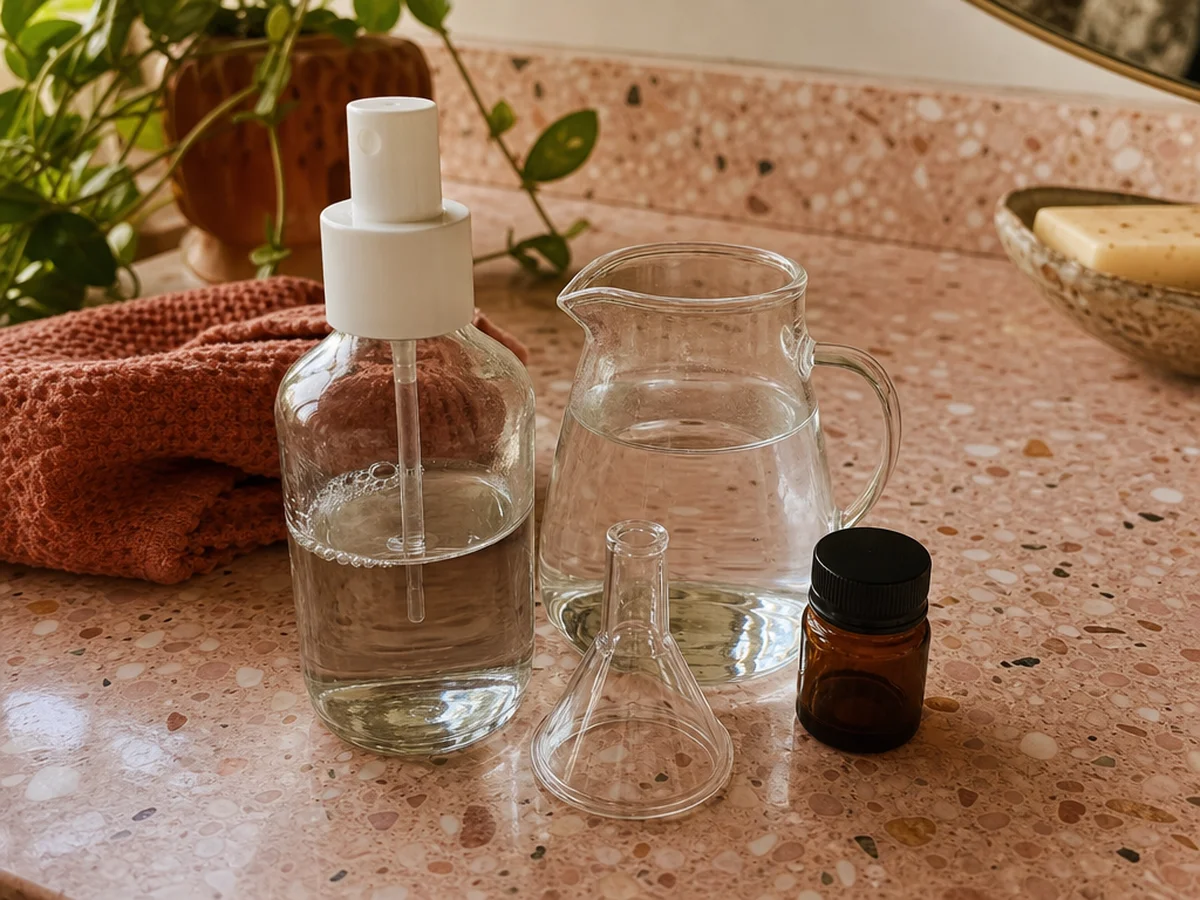
Geranium oil is here for its aroma, and it is not a substitute for a preservative. The simplest path is to start from a ready-made, already preserved, fragrance-free mist base and follow the supplier's instructions. Ask them how much fragrance the base can carry and whether it holds oil evenly. If you would rather skip water altogether, the facial oil formulation needs no preservative.
A face-friendly rate
For skin, we say to dilute geranium oil to 0.5% to 2% in a carrier, with the low end for facial products. That lines up well with the Tisserand Institute, which suggests 0.5% to 1.2% for facial cosmetics and points out that facial products very often carry only about 0.5% fragrance (Tisserand Institute dilution guide). Industry limits are a long way above that. IFRA's geraniol standard caps face-moisturizer-type products at 0.78% geraniol, and the IFRA annex lists geranium oil at a typical 17.7% geraniol, which works out to roughly 4.4% oil by our arithmetic (IFRA Standard 037). The ceiling is generous, which is a good reason to start well below it.
In practice that means about 0.5 g of oil for every 100 g of mist, or roughly 10 drops if you count (about 20 drops to a millilitre, though droppers vary, so a small scale is better). Geranium oil is a sensitiser for some people: the European Food Safety Authority describes it as an irritant to skin and eyes and a skin and respiratory sensitiser (EFSA FEEDAP, 2023). A patch test first is the sensible habit, and our patch-test article explains how to do one and what a home test cannot tell you.
Putting it together
- Choose a preserved, fragrance-free mist base and read the supplier's guidance on fragrance.
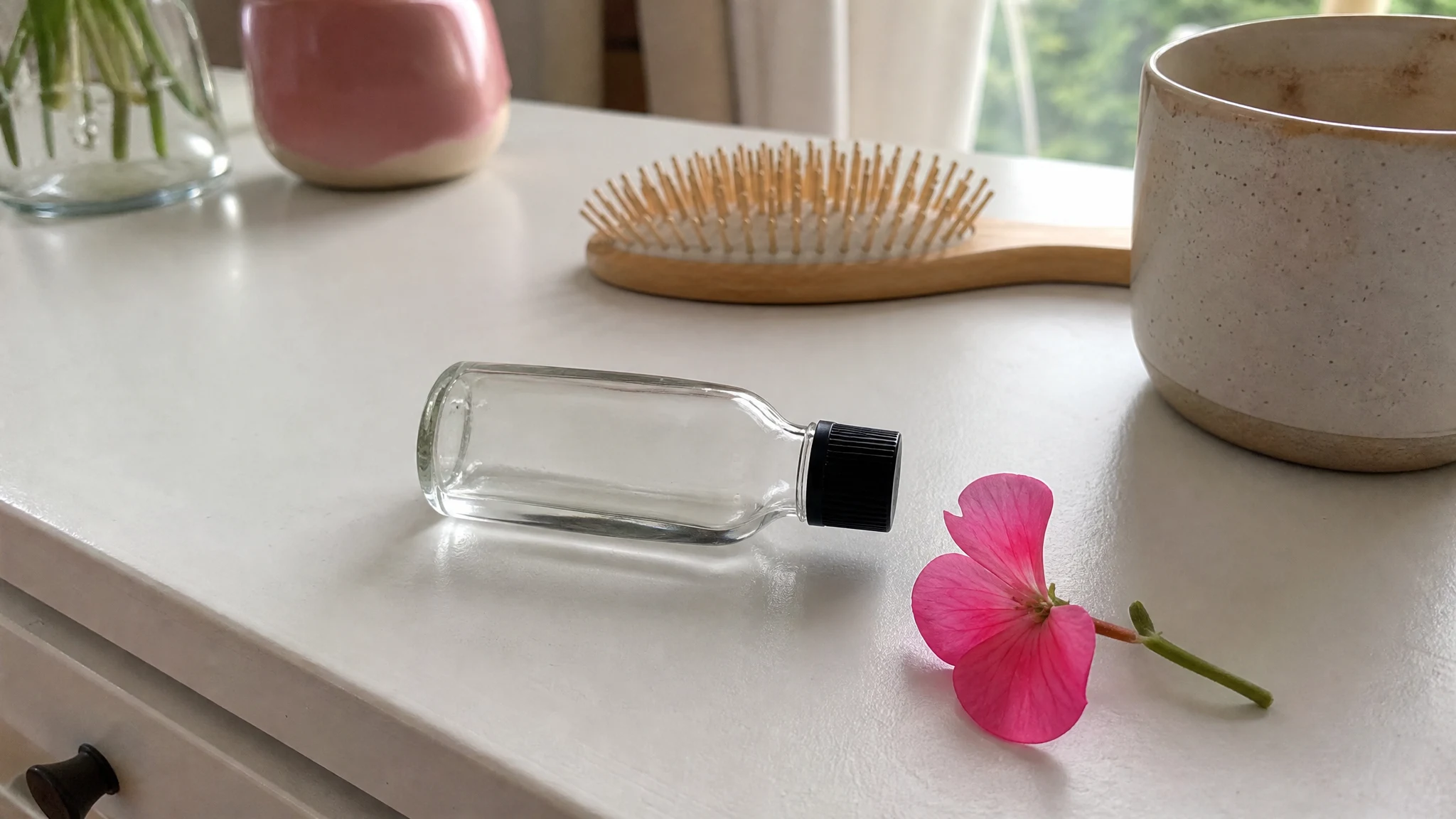
- Weigh 0.5 g of geranium oil into 100 g of base, and check that it blends evenly (or add the solubilizer the supplier recommends).
- Label the bottle as a facial product with the date, and patch test on a small area.
- Spray onto a cloth or your hands rather than toward the eyes.
The Rose Geranium Essential Oil (in the shop) is described as rosy, green and softly sweet, and the Geranium Essential Oil as rosy, green and lively, so either suits a mist; the small sizes are plenty for this, since a half-ounce bottle goes a very long way at 0.5%. If you have reacted to fragrance before, have eczema or broken skin, or are pregnant or nursing, check with your doctor first, as our disclaimer says; the safety guide sets out who should ask. For a preserved lotion instead, the lotion article has the details.
Using it well
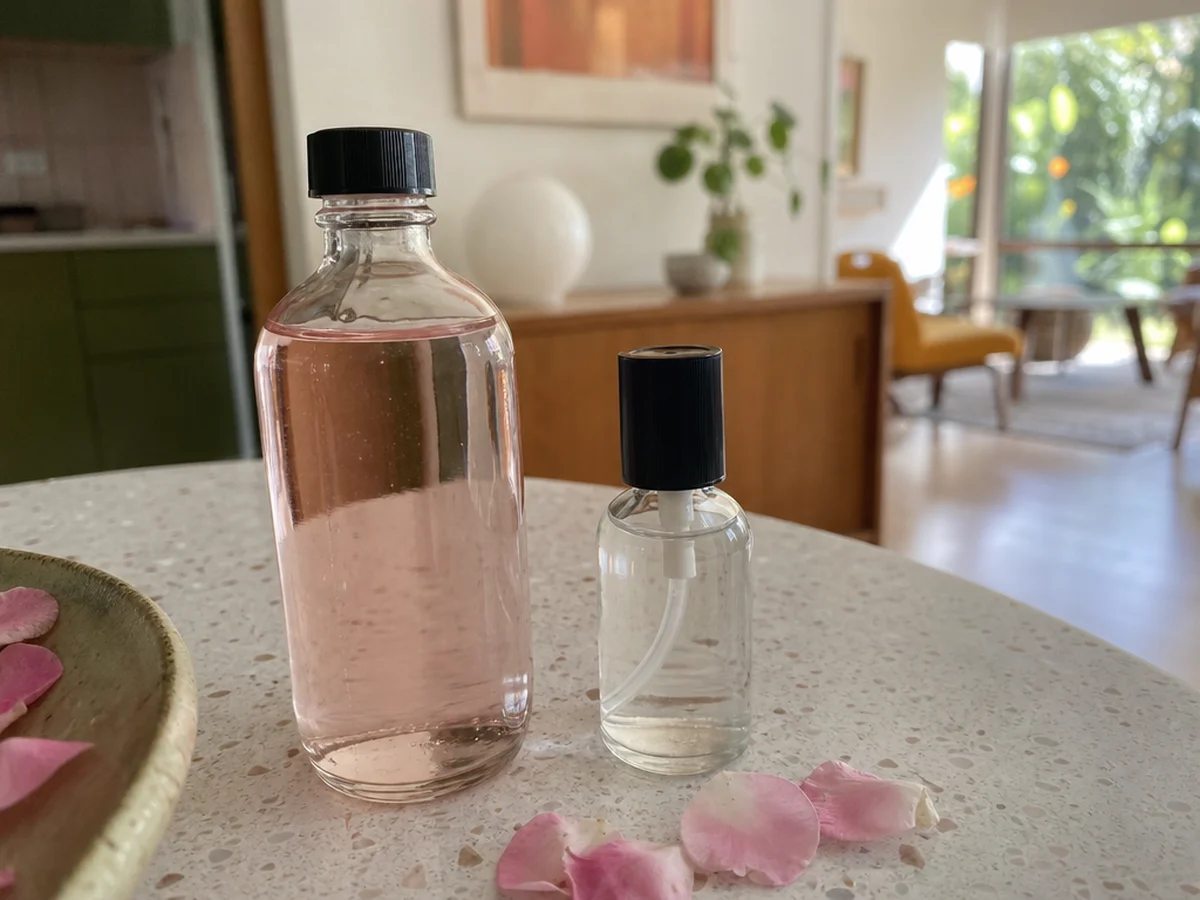
Hold the bottle at arm's length and give it a gentle spray onto a cloth or your open hands, then pat. Close your eyes, take an easy breath through the nose and you will notice the green top note first and the rosy middle a moment later. Start with one spray at a time; it is easier to add than to take away.
Write the date you made it on the label and keep it somewhere cool and out of direct sun. If it looks cloudy, smells off or changes colour, retire it and make a fresh one. A small bottle that you use up is better than a big bottle that you worry over.
A good mist is simple to use and a little patient to build. Start light, keep the base preserved, and let the aroma do the talking.
Rose Geranium Essential Oil
Rose Geranium Essential Oil from our own shop, in sizes from 0.5 oz to bulk.
From $24.99
Shop Now →Sources & Further Reading
- Lundov MD, et al., 2009. Contamination versus preservation of cosmetics: a review on legislation, usage, infections, and contact allergy. Contact Dermatitis 60(2). pubmed.ncbi.nlm.nih.gov/19207376
- Tisserand Institute. Essential oil dilution. tisserandinstitute.org/dilution-essential-oils
- IFRA, 2023. Standard: Geraniol, Amendment 51. IFRA_STD_037.pdf
- IFRA, 2023. Annex on contributions from other sources, 51st Amendment. IFRA annex (xlsx)
- EFSA FEEDAP Panel, 2023. Safety and efficacy of geranium rose oil. PMC10373134