How to Scent a Room With Geranium Oil: 5 Ways
Geranium oil makes a room smell like a garden after rain: rosy, green and just a little minty. The fun part is choosing how to get that scent into the air, because a candle, a wax melt, a diffuser, a reed bottle and a linen spray each suit a different home. Here is how we would think it through, starting with who lives there.

Rose Geranium Essential Oil
Our own Rose Geranium Essential Oil, in sizes from 0.5 oz to bulk.
From $24.99
Shop Now →Start with who shares the space
Pets come first, and cats most of all. The ASPCA's poison control center says cats are especially sensitive to essential oils and that it would not recommend using any essential oils in areas where pets have access (ASPCA, 2020). The Merck Veterinary Manual adds that cats lack an enzyme, glucuronyl transferase, that helps clear many compounds, and that the higher the concentration, the greater the risk (Merck Veterinary Manual, 2025). If an animal lives with you, your veterinarian is the right person to ask, and our pet household guide goes through what the sources say.
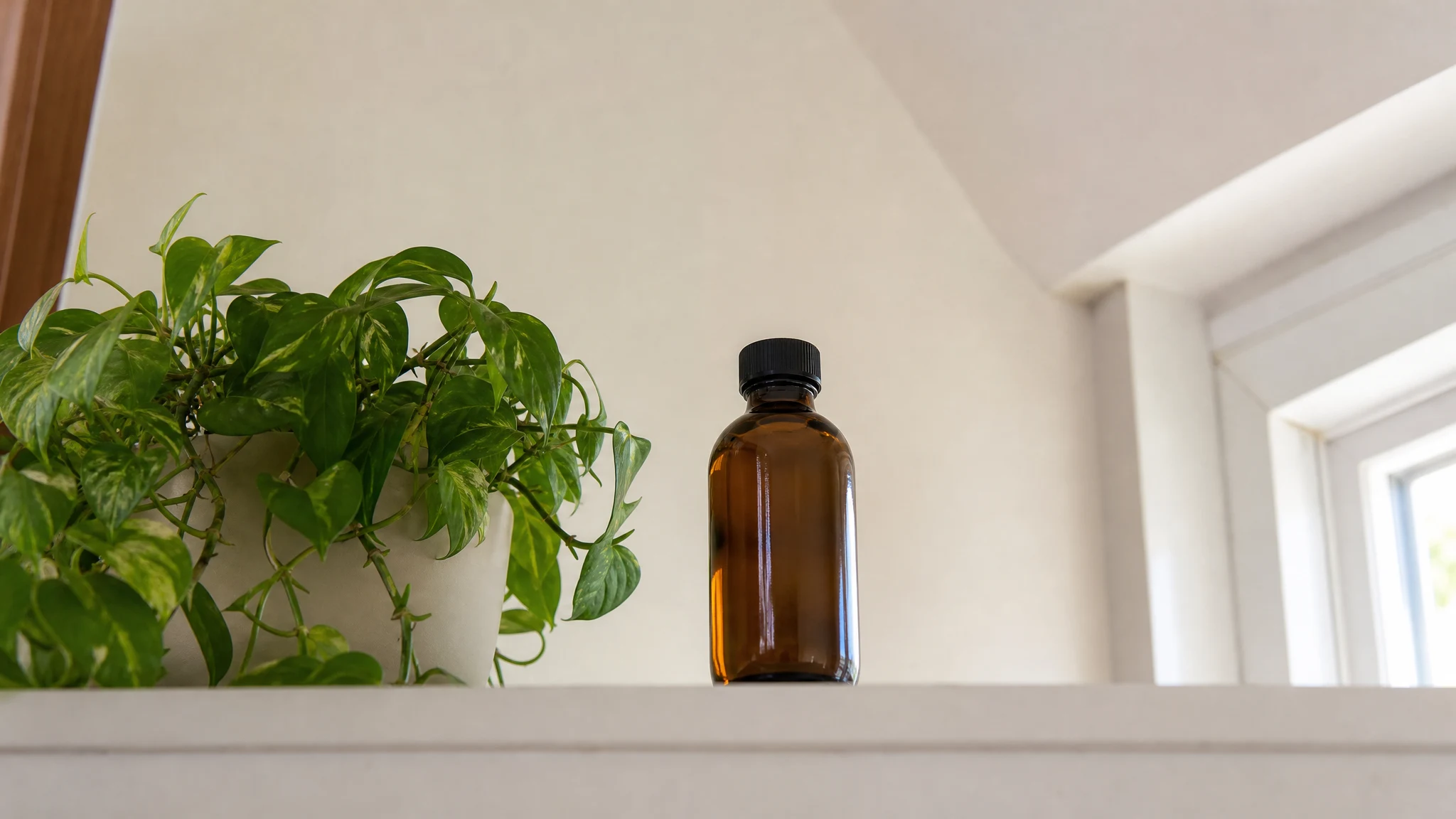
Small children are the other consideration, and it is mostly about storage: we say to keep the oil away from children and pets, so put the bottle well out of reach. If anyone at home has asthma or reacts to scented products, ask their physician before scenting the air. We sell an external cosmetic oil, not anything for health, so that conversation belongs with a doctor.
Then pick a format
With the household settled, choose the format that suits the room. We sell the oil only, so wax, warmers, reeds, diffusers and bottles come from a craft or candle supply shop.
A diffuser is the easiest first step. Follow the maker's manual for drops per water volume, run it for short stretches, and keep the room ventilated. The US EPA notes that air fresheners are among household sources of volatile organic compounds, that not much is known about the health effects at typical indoor levels, and that opening a window when you use them is sensible (US EPA). Our post on diffusing geranium oil has blend ideas.
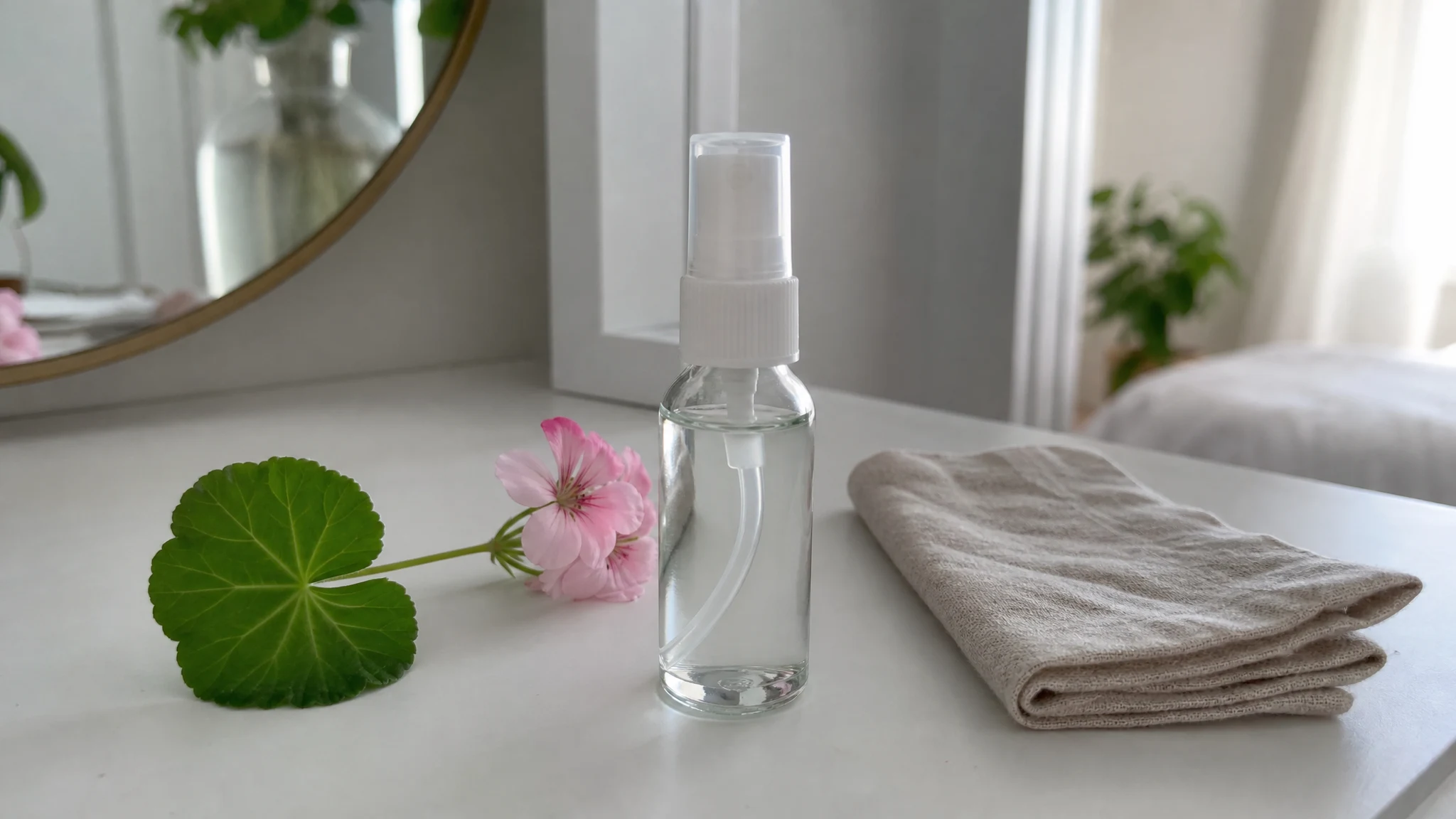
A linen or room spray and a reed diffuser both need a base that carries the oil, which you buy separately, and each has a post that works through the formulation: room and linen spray and reed diffuser. They are quiet, flame free, and a good fit for a hallway or a wardrobe.
A wax melt warms scented wax in a small electric or tealight-heated warmer. It gives a stronger, longer scent than a spray and is covered in our wax melt post. The warmer is a hot appliance, so read its manual and keep it on a stable, heat-resistant surface.
A candle is the coziest and the most involved. It adds an open flame, so the wax maker's guidance and standard candle safety matter. The National Candle Association describes ASTM F2058 labelling that advises burning a candle within sight, keeping the flame away from anything flammable and keeping candles from children (National Candle Association). Our candle post covers how much oil a wax can hold.
Matching the format to the room
Think about how you use each space. A hallway or entrance suits something quiet that you pass through, like a linen spray or a reed bottle. A living room might suit a diffuser that you run for an hour in the evening. A bathroom, with its steam and short visits, is happy with a small bottle on a shelf. A bedroom is where we would be most restrained: use a little, in the daytime, and air the room afterwards.
Smell it first
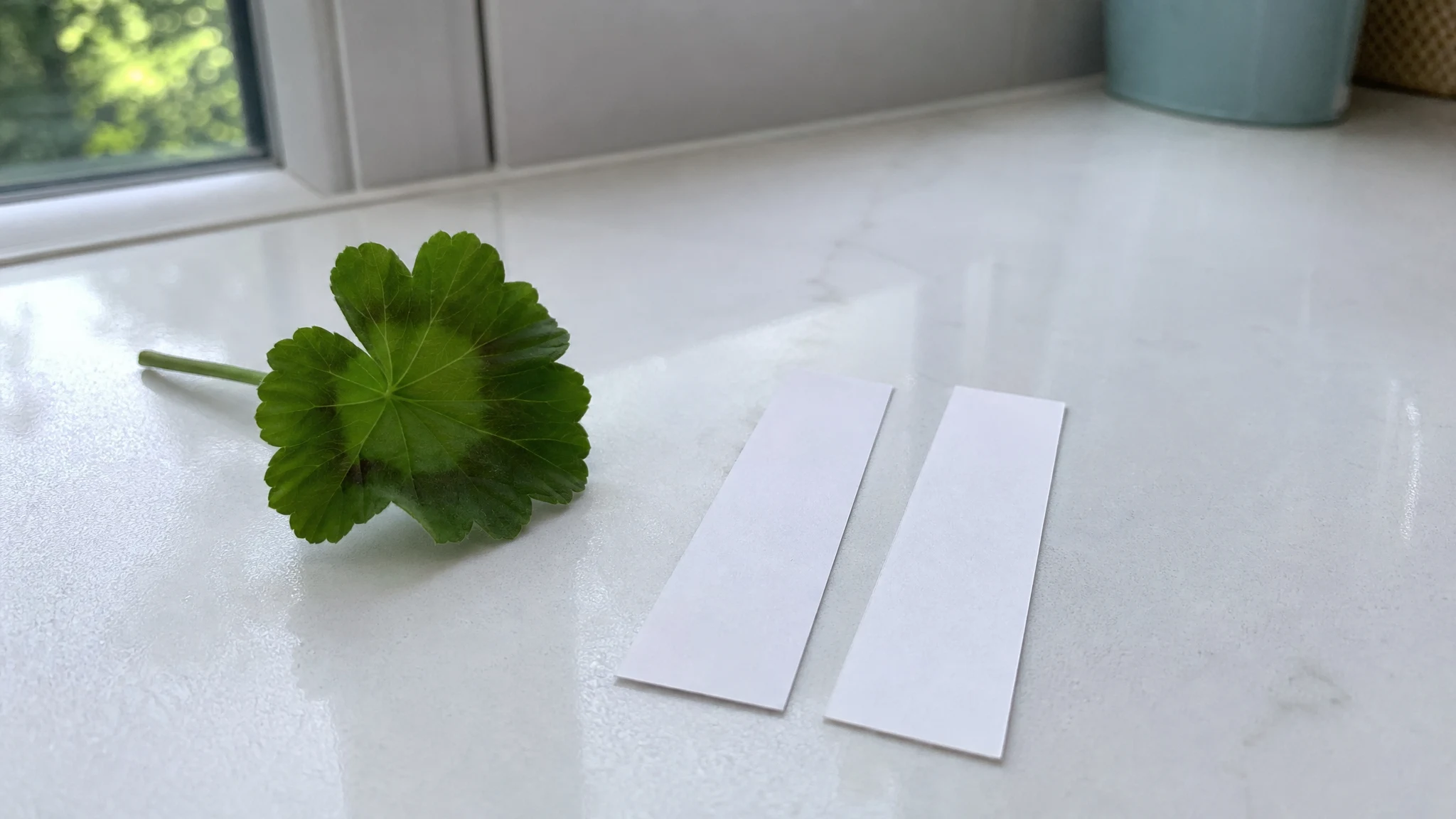
Before scenting a room, smell the oil on a paper strip in the room itself, away from the kitchen and anything strongly scented. Notice how rosy and green it is in that air, and whether it feels lively or a little much. Rooms differ in size, airflow and what they already smell like. Begin with less than you think you need and stop at the first sign that anyone would rather not.
A little judgment goes a long way
Our own order of preference, based on reasoning rather than a test: if your home has no cat, no baby and no scent sensitivity, start with a flame-free format, use one oil at a time, and stop if anyone coughs, wheezes or gets a headache. Whatever you choose, weigh or count the oil with care. A drop of geranium oil is stronger than it looks, and a room needs less than you think.
Keeping it fresh
Open a window now and then so the air can move. Wash diffuser parts, reed bottles and warmers as their makers advise, and put the oil bottle back, capped, in a cool cupboard after use.
The shop offers two geranium oils for home fragrance and soap, Geranium Essential Oil and Rose Geranium Essential Oil, which the shop calls the rosier of the pair. If you want a particular document before you buy, such as an SDS, ask us in writing first. The Certificate of Analysis we publish covers one batch and reports its relative density and refractive index.
It also helps to think about time of day. A short burst in the morning to freshen a room is often plenty, and you can leave the bottle in the cupboard the rest of the day. Scent that you notice only when you walk in tends to feel more welcoming than scent that fills the air all day.
Start gently, choose the format that fits your home, and let the rosy green scent stay a quiet part of the room.
Rose Geranium Essential Oil
Rose Geranium Essential Oil from our own shop, in sizes from 0.5 oz to bulk.
From $24.99
Shop Now →Sources & Further Reading
- ASPCA, 2020. Pet poisons: be mindful of these household products and cleaning agents. aspca.org
- Merck Veterinary Manual, 2025. Toxicoses from essential oils in animals. merckvetmanual.com
- US EPA. Volatile organic compounds' impact on indoor air quality. epa.gov
- National Candle Association. Understanding safety standards. candles.org