Pelargonium Graveolens: The Geranium That Isn't
Here is a small botanical twist: the plant behind geranium oil is not, strictly speaking, a geranium. It is a Pelargonium, a close cousin that gardeners have been calling "geranium" for generations, and the oil trade followed suit. The plant itself is worth a closer look, because its family history explains a lot about why two bottles of geranium oil can smell and read differently on paper.
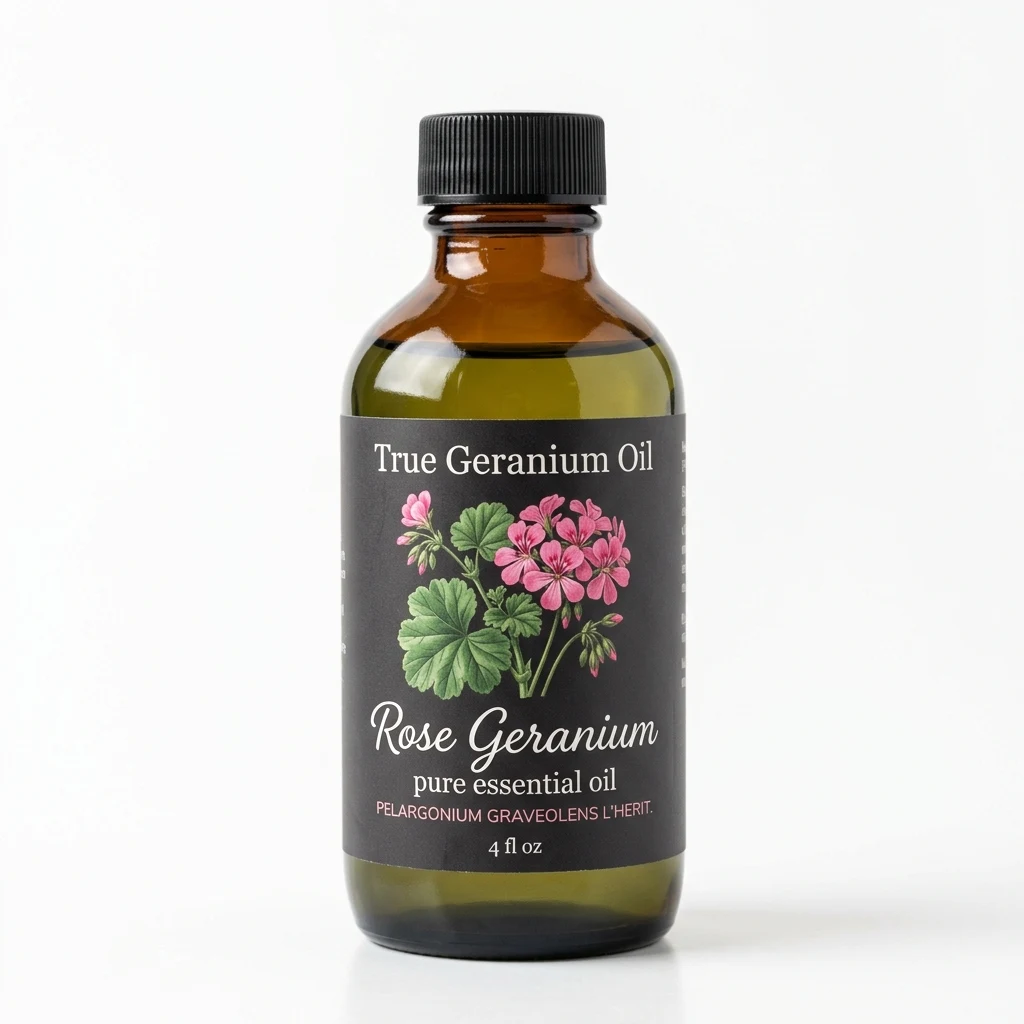
Rose Geranium Essential Oil
Our own Rose Geranium Essential Oil, in sizes from 0.5 oz to bulk.
From $24.99
Shop Now →Cousins, not twins
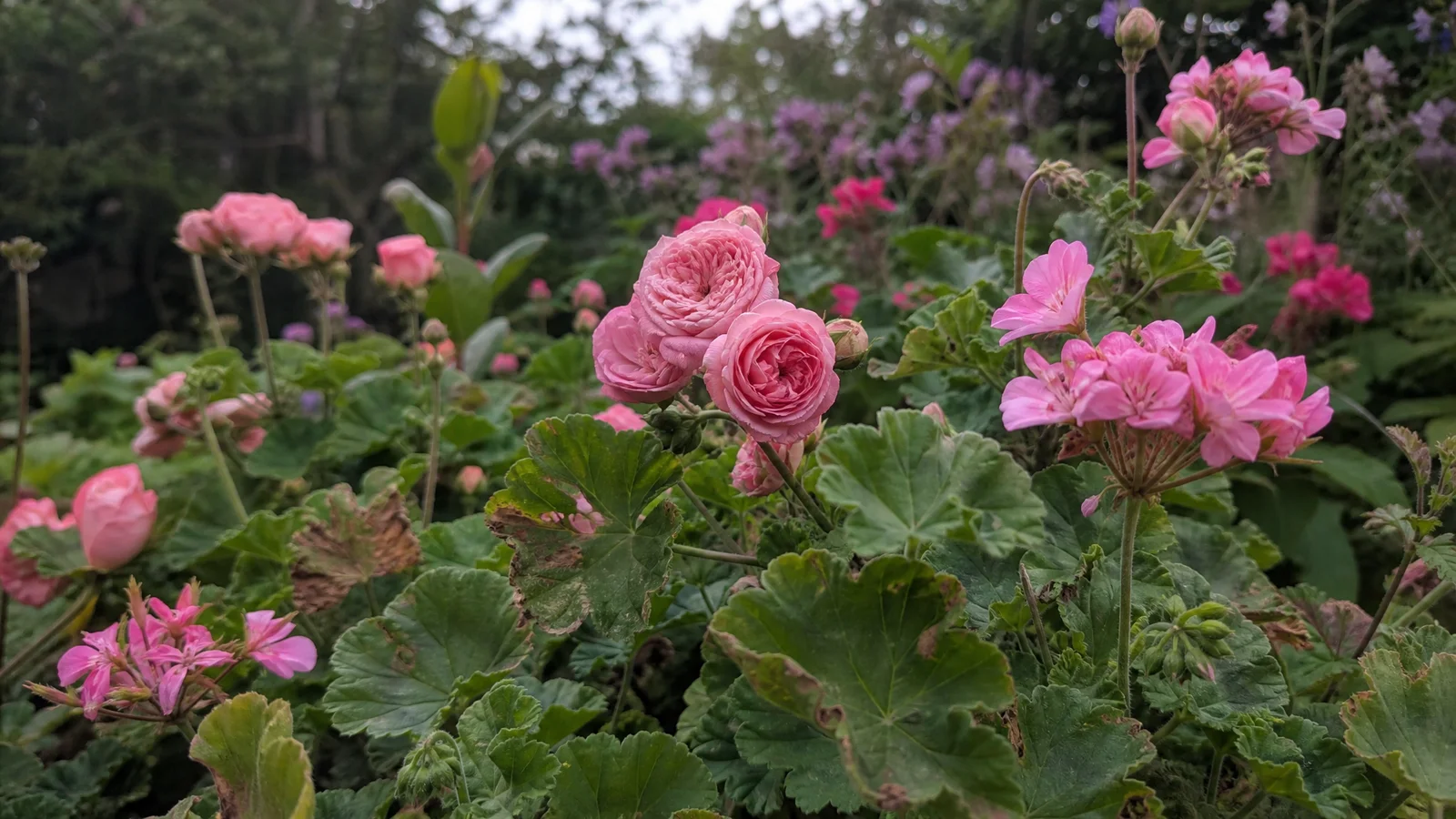
Botanists file Geranium and Pelargonium in separate genera of the same family, Geraniaceae. The windowsill plant with the bright pom-pom flowers is a Pelargonium, and so is the rose-scented species that goes into the still: Pelargonium graveolens, first described by the botanist L'Heritier in 1789 and listed by the USDA's plant germplasm database as native to southern Africa (USDA ARS GRIN-Global). The European Food Safety Authority puts its origin in a limited area of South Africa, from which, after some 300 years of interest in its scent, it and its many hybrids spread around the world (EFSA, 2023).
Rub a leaf and you will see why people fell for it. The shop describes our geranium oils as rosy, green and lively, "crushed leaves wrapped around a rose heart", and that rose-meets-leaf character starts in the plant long before it reaches the still. It is also why geranium oil became the classic affordable companion to rose in perfumery, a story we tell in the history of geranium oil.
A family tree with a few knots in it
This is the part we find most interesting. The USDA record carries a revealing note: plants cultivated under the name Pelargonium graveolens differ from wild plants and may be of hybrid origin. A review of rose-scented geranium goes further, explaining that almost all the cultivars grown around the world are hybrids of P. capitatum with either P. graveolens or P. radens, and that these hybrids are sterile, so growers multiply them from cuttings (Narnoliya et al., 2019). EFSA's expert panel summed it up neatly: the exact identity of the plants sold as P. graveolens for oil is conjectural, because so many cultivars and hybrids are in use, which is why it is increasingly common to talk about the "Rosat group" of cultivars rather than a single species.
Cuttings are actually good news for scent. A grower who has a plant they love can reproduce it exactly, the way an orchardist keeps a favourite apple variety going. The flip side is that, like apples, the name on the label tells you the family but not the variety. "Pelargonium graveolens" on a bottle is a trade convention, and two oils can carry it while coming from different cultivars grown in different countries. What the plant does with its soil, season and harvest date shows up in the oil's chemistry, which is the subject of our piece on citronellol and geraniol, and of the comparison of Egyptian and Bourbon geranium oil.
Meeting the plant
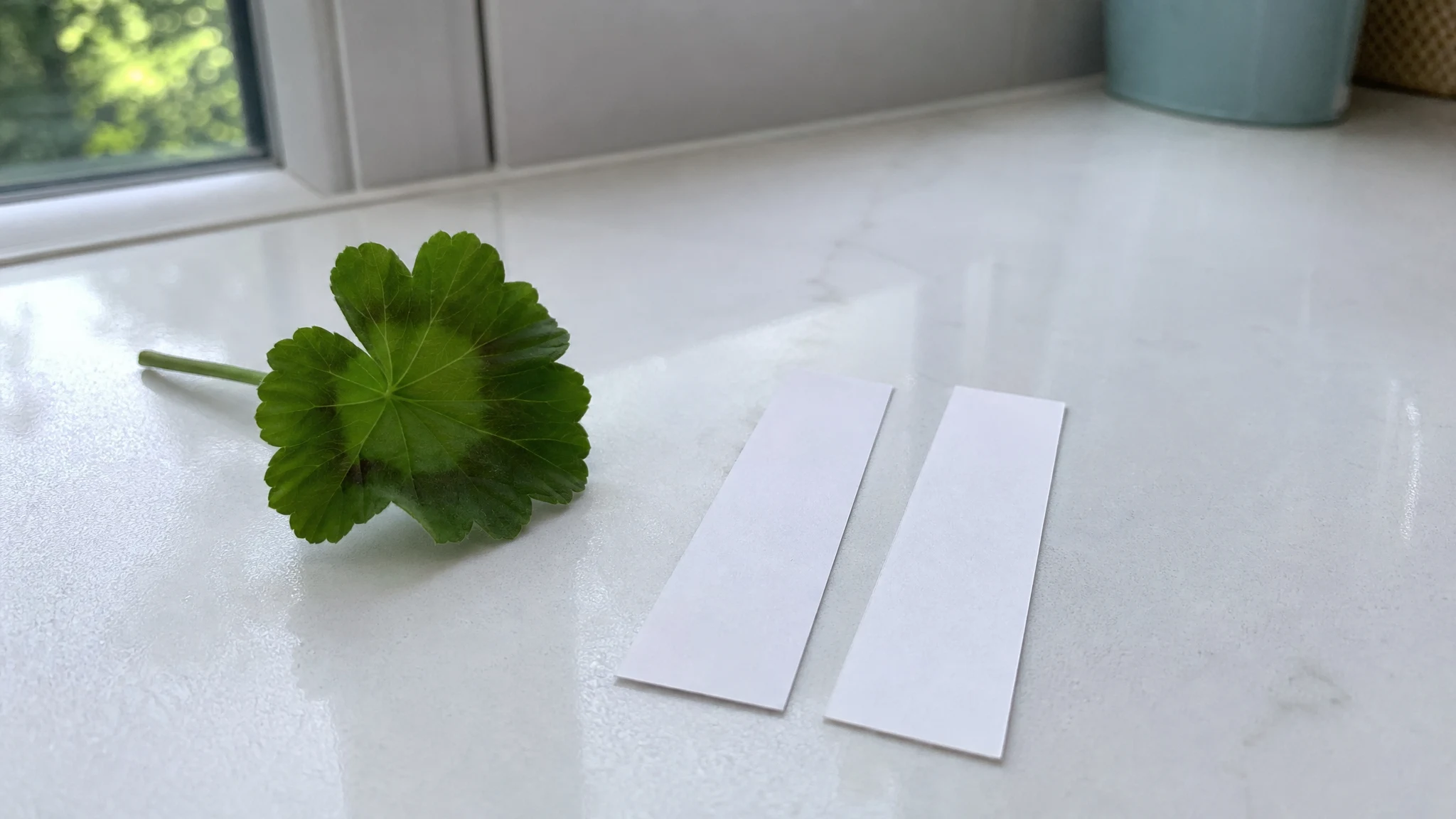
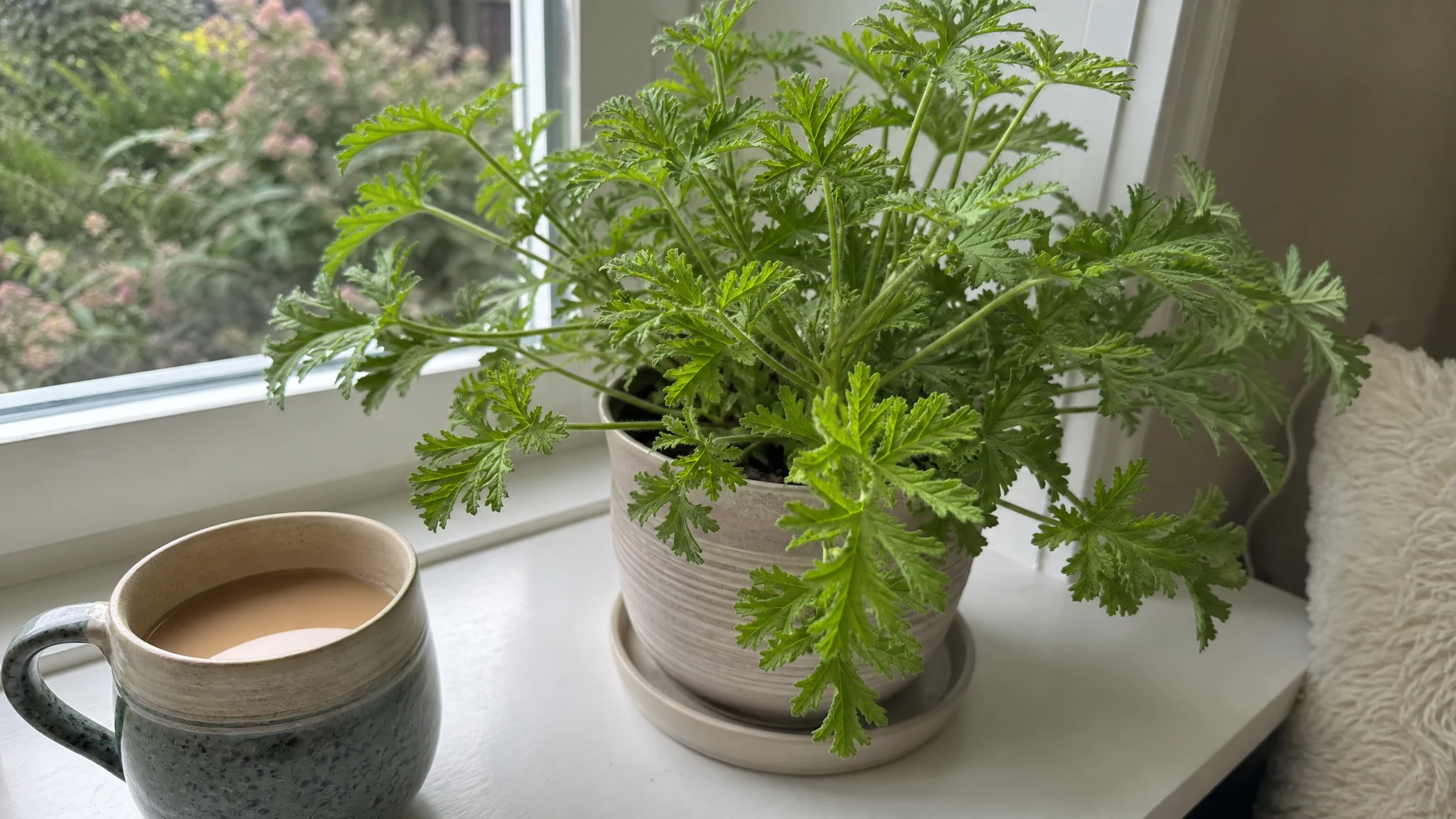
If you have the chance to meet a rose-scented pelargonium in a garden centre or a friend's window, do. The leaves feel soft, and the scent lets go the moment you brush past them. Spend a minute with the plant and you will understand why people grew it for fragrance long before anyone thought about a still. Smelling the living leaf also gives you something to compare with when you open a bottle of the oil later.
Reading the Latin name on a bottle
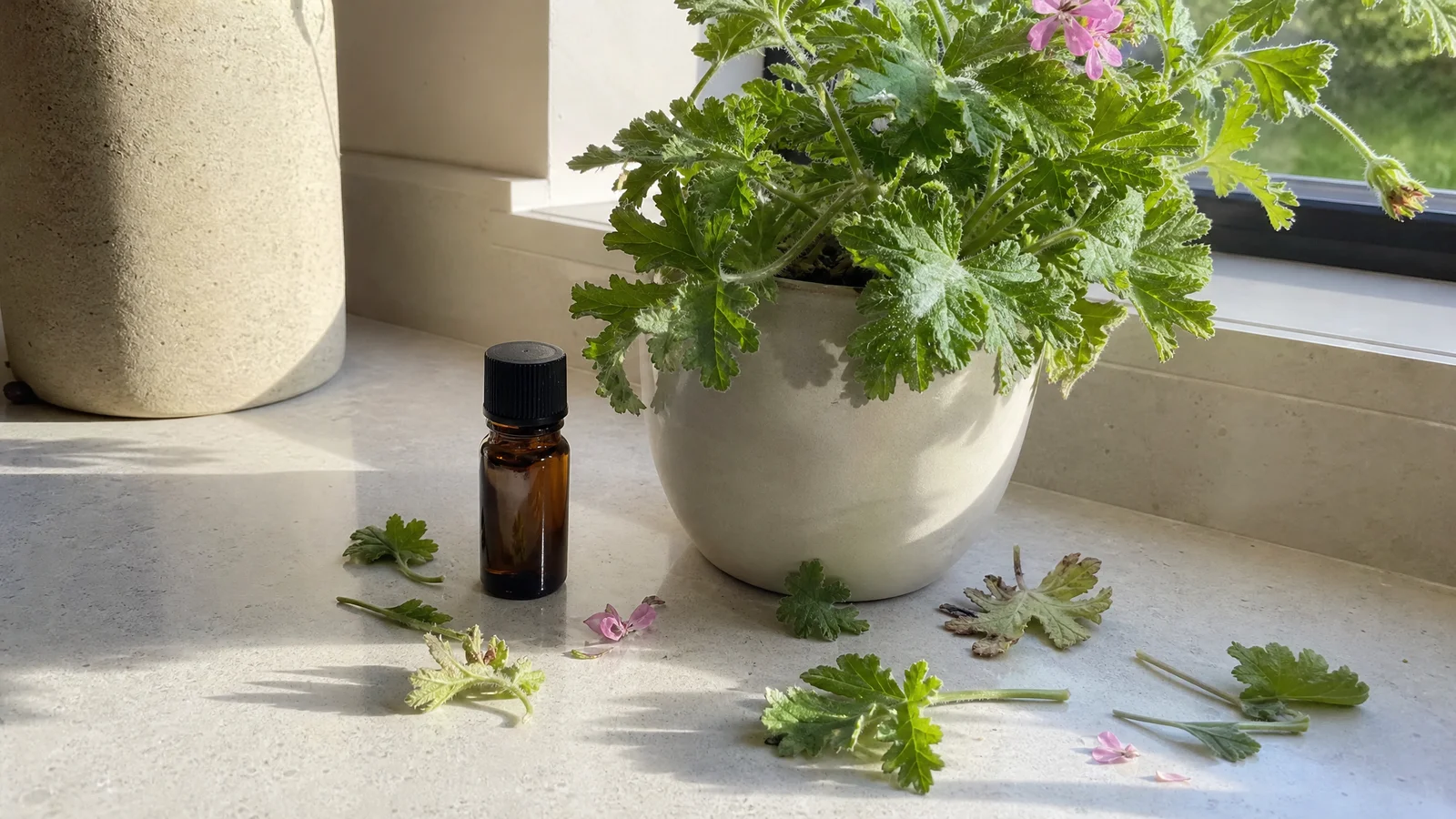
We sell two geranium oils, Geranium Essential Oil and Rose Geranium Essential Oil, and both shop pages name Pelargonium graveolens, with the oil steam-distilled from the leaves and stems (the process is walked through in how geranium oil is made). The Latin name is a good starting point, and a useful habit is to pair it with a few other details when you compare oils: a stated country and year, the cultivar or type if the seller knows it, and a GC-MS report tied to the lot, which shows what is actually in the bottle (see how to read one). If any of that matters for your product, ask us in writing before you order.
Why we like this story
We find the plant's story reassuring in a way. The name on a bottle is a starting point, not a verdict, and learning that makes you a better shopper for any oil. It encourages you to ask a seller a few plain questions and to trust your nose alongside the label. That is the spirit in which we hope you read our own pages too: a name, a scent description and the documents we publish, with a standing invitation to ask us for more.
A word for houseplant owners
Because pelargoniums are such common houseplants, it is worth knowing that the ASPCA lists them as toxic to dogs, cats and horses, naming geraniol and linalool as the toxic principles (ASPCA). That entry is about the plant, not about a distilled oil, but it is a good reason to keep both away from curious pets, and our pet household guide goes further. If a pet has chewed a plant or been exposed to an oil, call your veterinarian or a pet poison line.
If you would like to meet the end result, the leafy-rose character of the plant is exactly what you will find in our Geranium Essential Oil, and the rosier of the pair is the Rose Geranium Essential Oil.
Next time you see a pelargonium on a windowsill, give a leaf a gentle brush and enjoy knowing where that rosy, leafy note begins.
Rose Geranium Essential Oil
Rose Geranium Essential Oil from our own shop, in sizes from 0.5 oz to bulk.
From $24.99
Shop Now →Sources & Further Reading
- USDA ARS, record verified 1992. GRIN-Global taxon record, Pelargonium graveolens. npgsweb.ars-grin.gov/gringlobal
- EFSA FEEDAP Panel, 2023. Safety and efficacy of geranium rose oil (Pelargonium graveolens), EFSA Journal 21(7):e08161. pmc.ncbi.nlm.nih.gov/PMC10373134
- Narnoliya, Jadaun and Singh, 2019. Rose-scented geranium review, Essential Oil Research (Springer). pmc.ncbi.nlm.nih.gov/PMC7122831
- ASPCA. Toxic and non-toxic plants: Geranium. aspca.org