Why Is Geranium Oil So Expensive? A Lot of Leaf
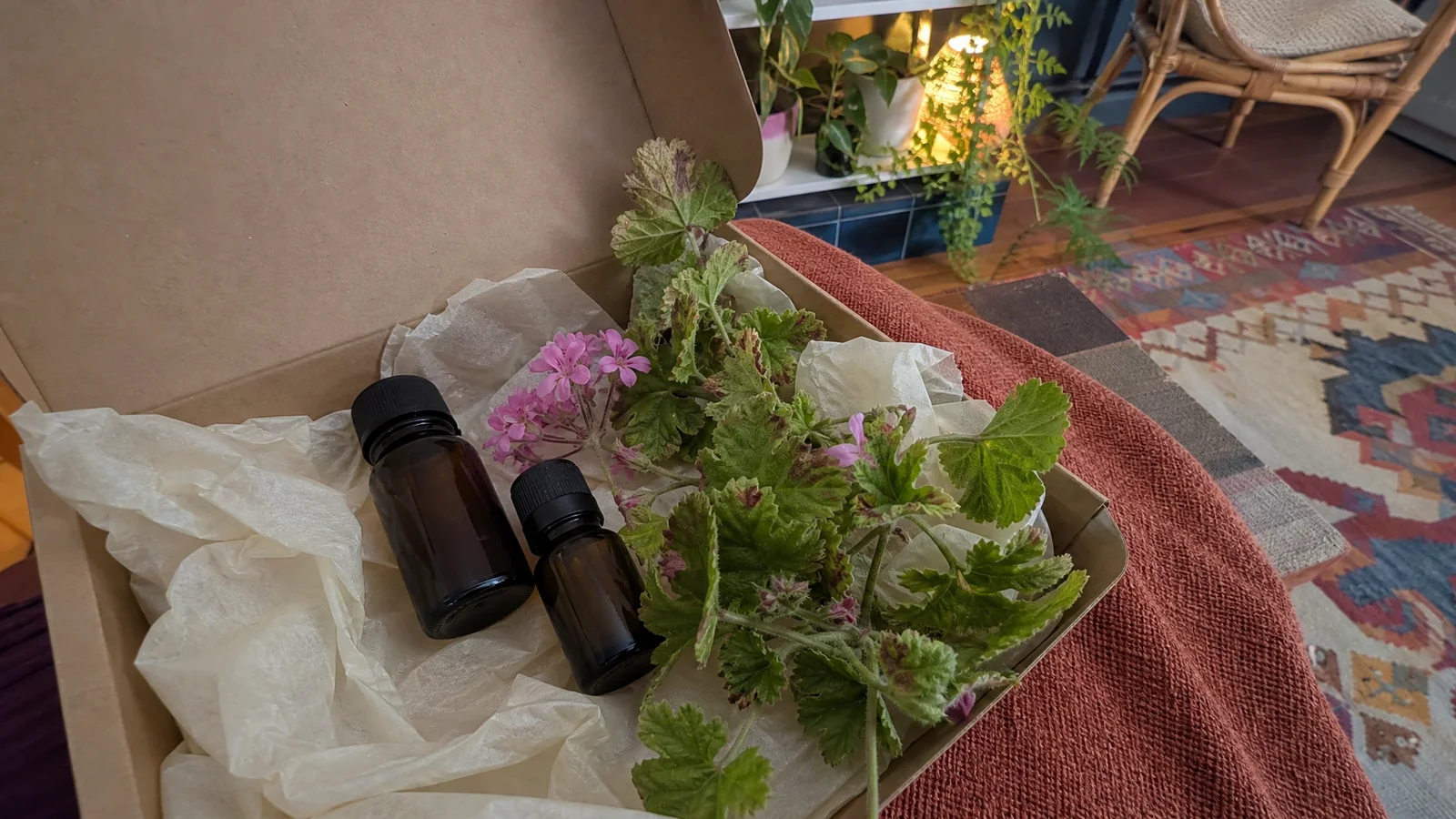
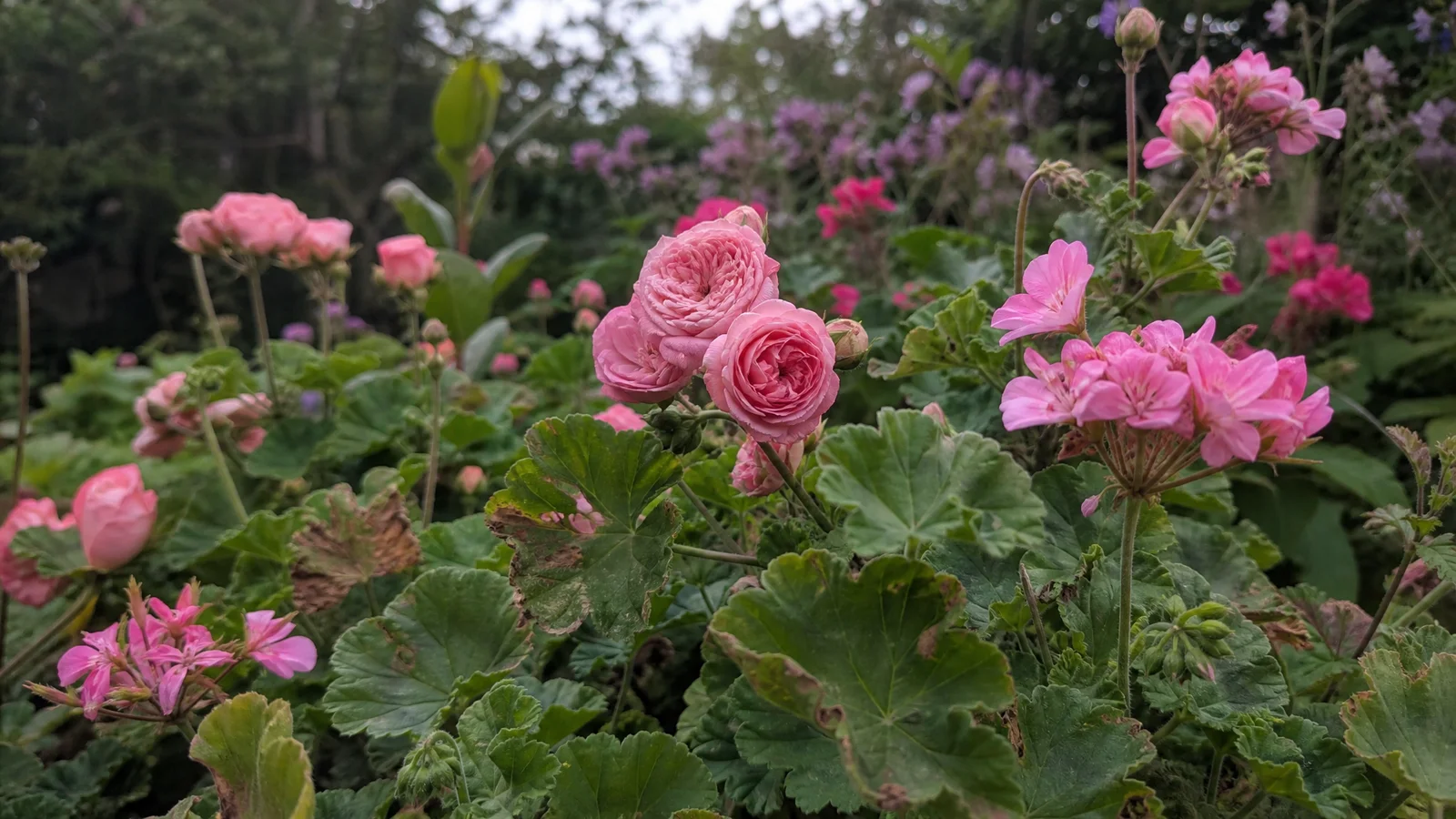
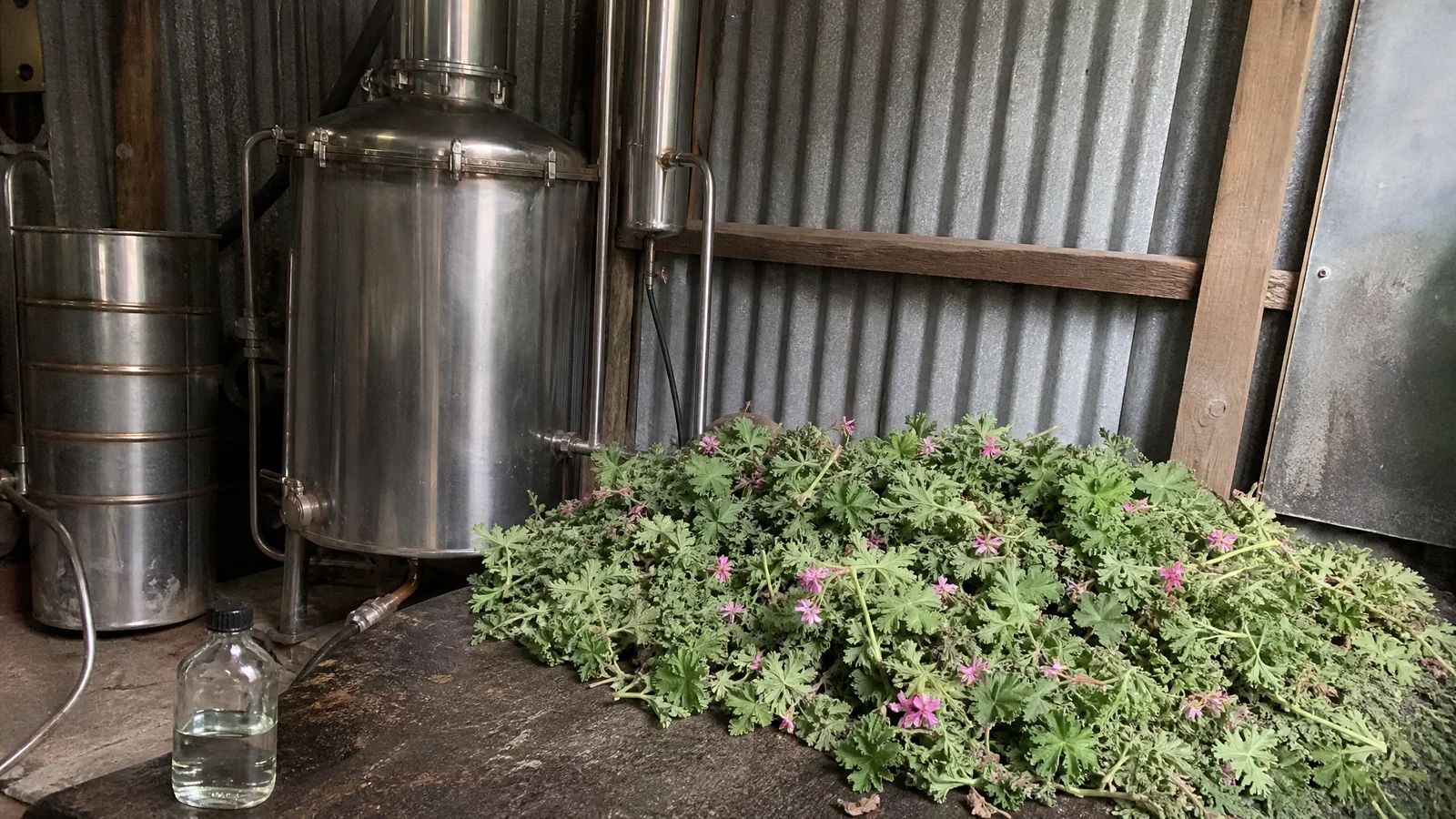
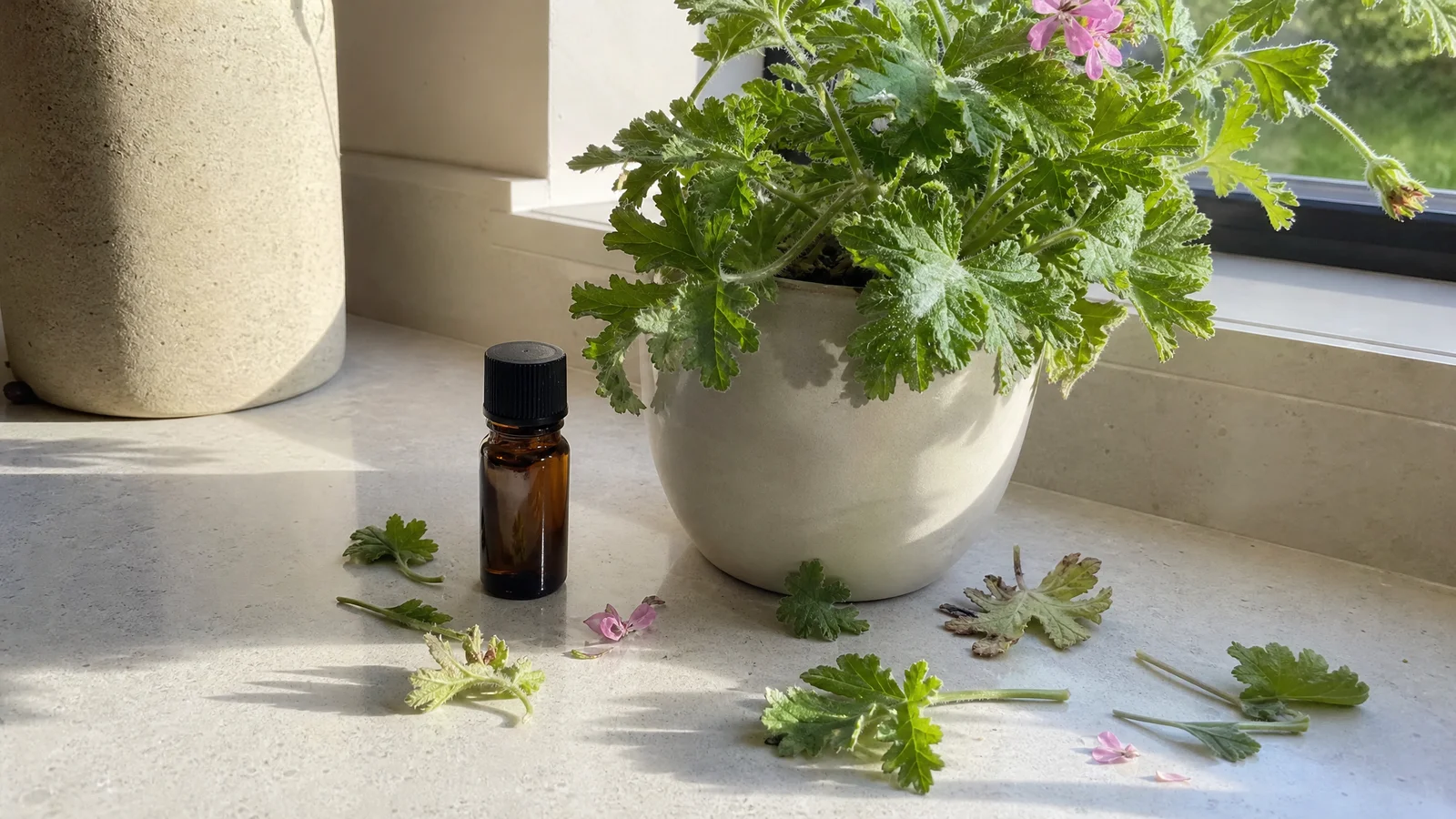
Pick up a bottle of geranium oil and it is easy to forget how much plant went into it. A rose-scented geranium leaf gives up only a sliver of its weight as oil, so every bottle represents a surprising amount of harvested leaf and stem. That one fact explains most of what you see on a price tag, and it is also a handy way to tell when a price needs a second look.
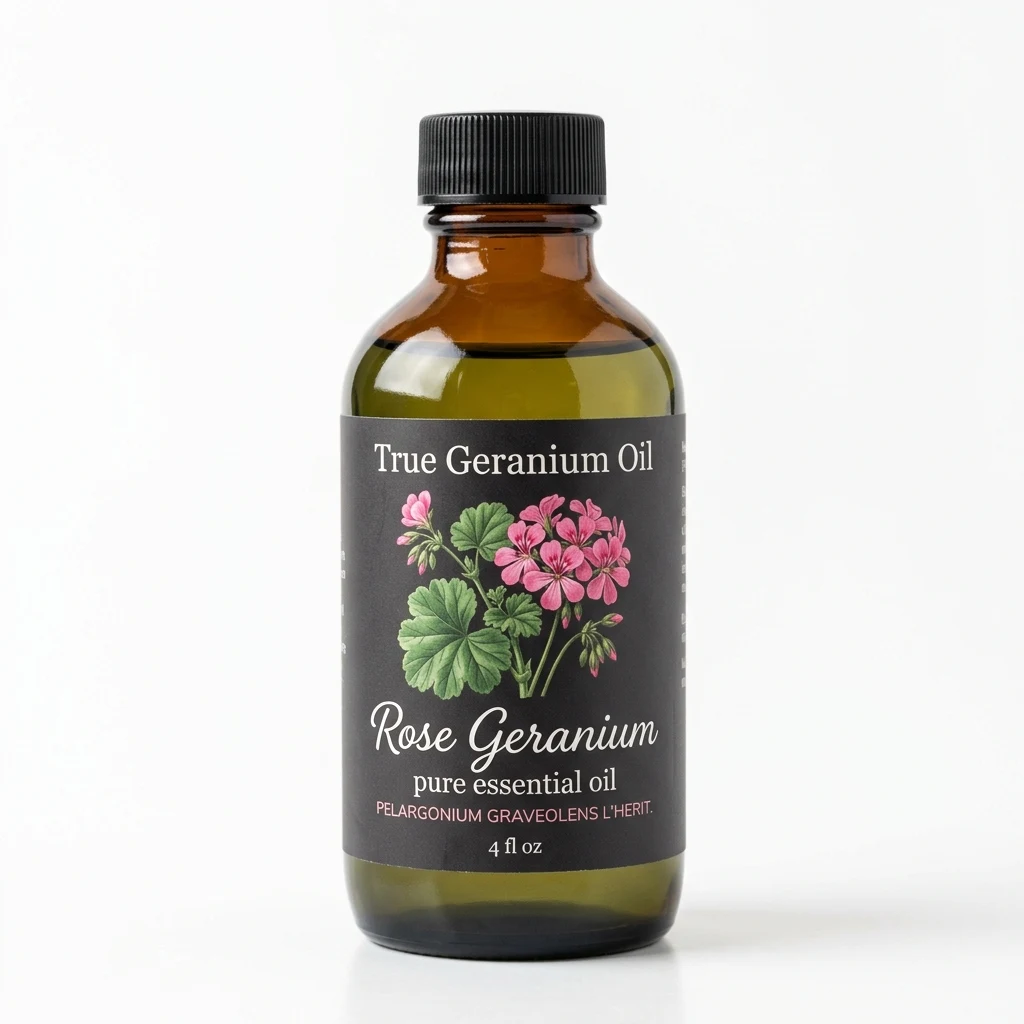
Rose Geranium Essential Oil
Our own Rose Geranium Essential Oil, in sizes from 0.5 oz to bulk.
From $24.99
Shop Now →How much leaf is in a bottle?
Trade figures republished by the Tisserand Institute put the oil content of the herb at about 0.15 to 0.2 percent in Egypt and 0.2 to 0.25 percent in China, which works out to roughly 60 to 105 kilograms of oil per hectare (Tisserand Institute / ITC, 2015). Réunion yields reported by PROSEA are lower per tonne of herb (PROSEA).
Put that into bottle terms. Using the density of the batch on our Certificate of Analysis (0.881 g/ml), a half-ounce bottle holds about 13 grams of oil, which takes somewhere between 5 and 9 kilograms of leaf at those yields. A 400 lb drum is about 181 kilograms of oil, or the harvest from roughly two to three hectares. For comparison, ITC estimates world production at 350 to 400 tonnes a year, and PROSEA at around 300, so a single drum is a tiny fraction of the world's annual crop. Those numbers are why geranium oil is priced by the tonnes of leaf behind it, not like a vegetable oil.
What nudges the price up or down
Origin and cultivar come first. The same ITC article notes that Réunion oils command a significant price premium, and the chemistry of different origins is explored in our Egyptian versus Bourbon comparison. Published estimates of world supply and the leading producer vary by source, which is a good reason to treat any "supply is short this year" story with a date and a source attached.
Pack size plays its part too. By simple reasoning, filling, labelling and shipping cost much the same whether a container is small or large, so small bottles cost more per ounce than drums. Our wholesale page says every size is the same geranium oil, bottled from the same lots, so size differences reflect packaging and handling rather than a different oil. Check current prices on the Geranium Essential Oil and Rose Geranium Essential Oil pages, and see choosing a size for how far each bottle goes.
Comparing prices fairly
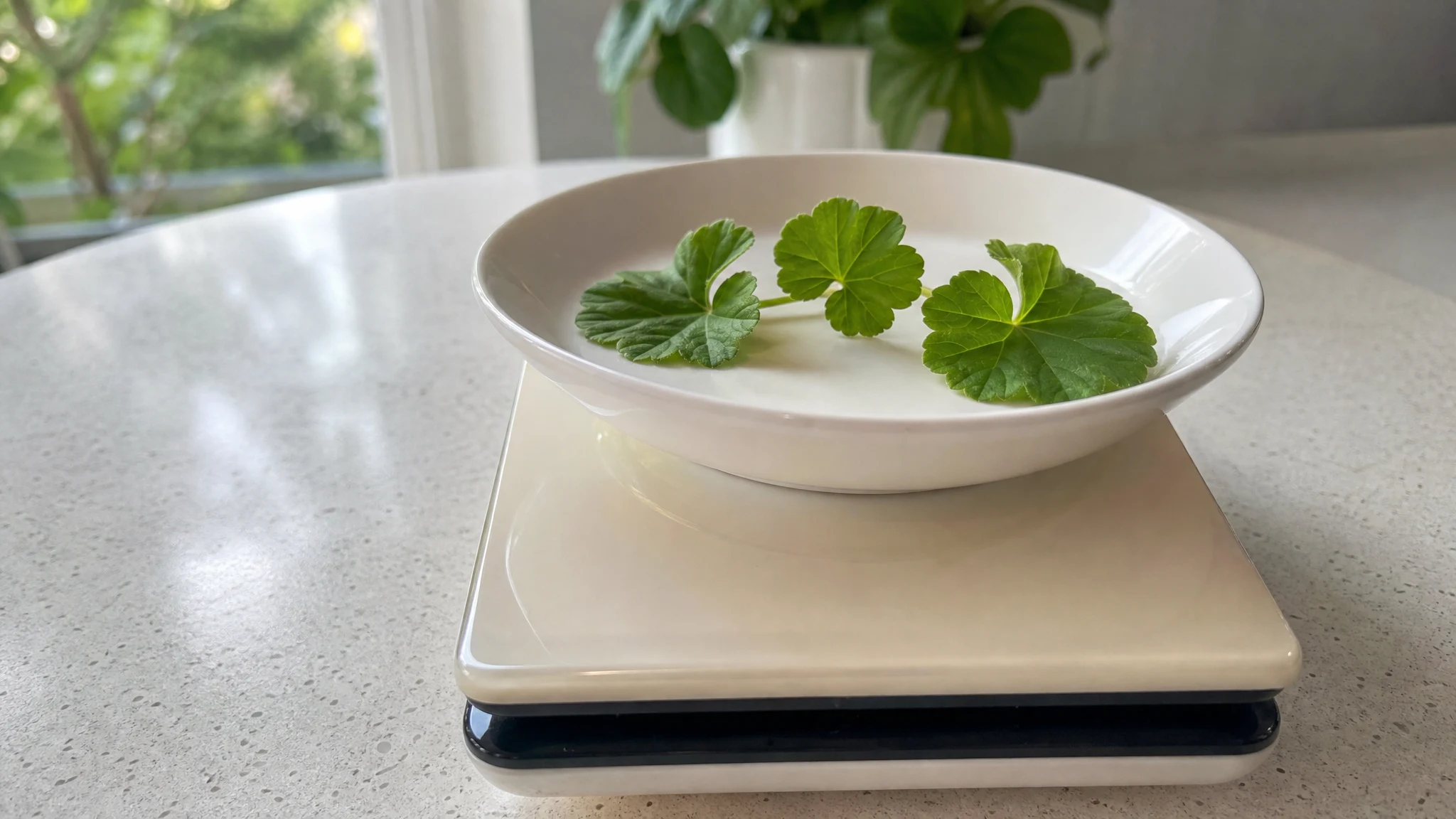
Two small habits make comparisons much cleaner. First, check the unit. A fluid ounce is 29.57 ml, which weighs about 26 grams at that same density, while a weight ounce is 28.35 grams, so a listing sold by weight holds roughly 9 percent more oil than one sold by volume. Second, compare like with like: the same type of oil, the same size and the same paperwork.
It also helps to keep the oil's share of a finished product in perspective. A one-ounce body oil at 2 percent, the top of the dilution range on our shop pages, contains about 0.6 ml of geranium oil; at 0.5 percent it is closer to 0.15 ml. A half-ounce bottle therefore covers around 25 one-ounce batches at 2 percent, or about 100 at 0.5 percent. For most makers, the better question is not "what is the cheapest bottle?" but "which one comes with the information I need?"
Reading a listing like a maker
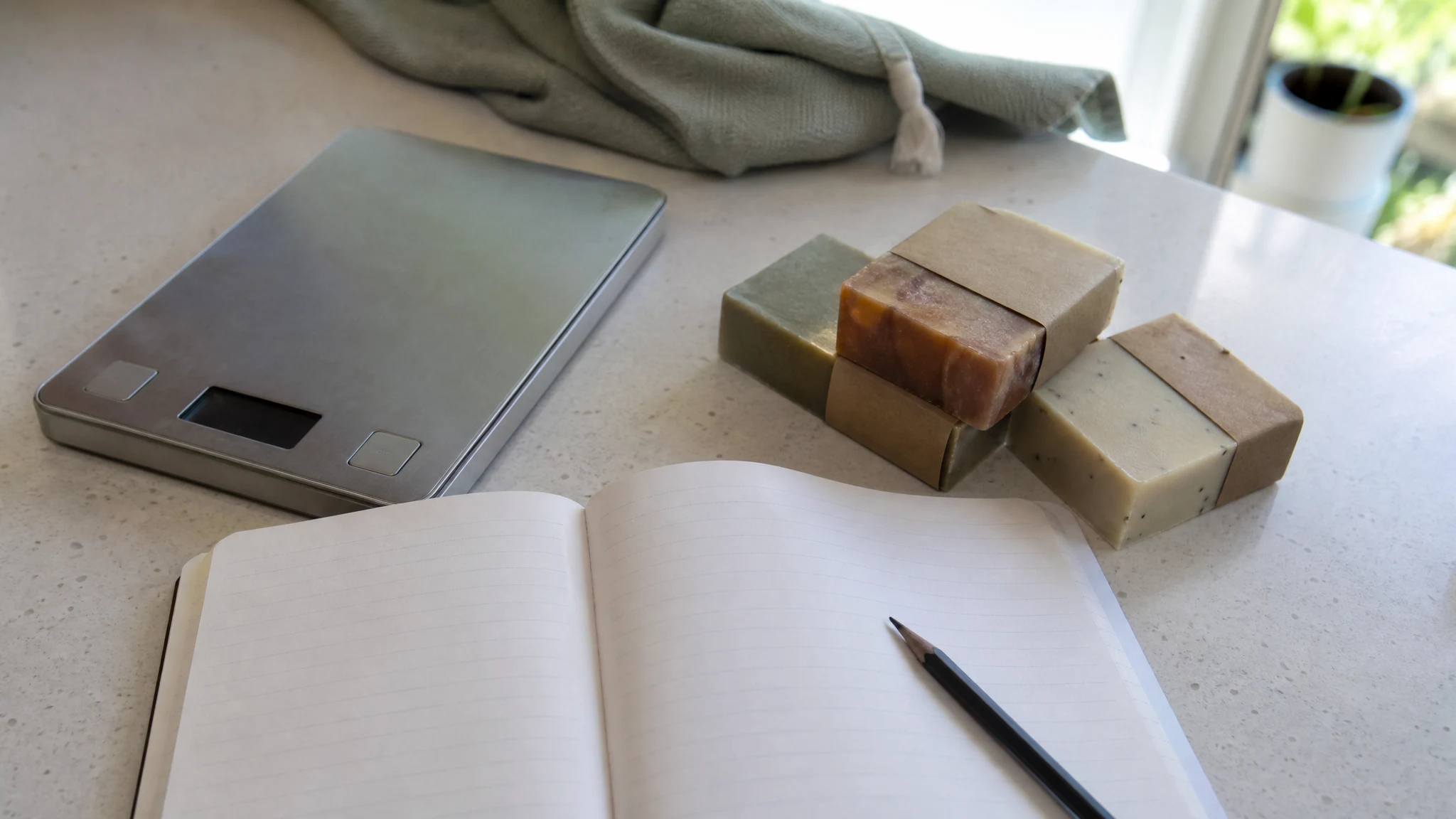
Before you compare two bottles, write the basics side by side: the botanical name, the size and the unit it is measured in, and the paperwork offered. It takes two minutes and it turns a vague feeling about price into something you can actually compare. Keep the list in a notebook and add to it each time you shop; after a few entries you will know at a glance which listings tell you enough and which leave you guessing.
When a bottle arrives, open it and smell a drop on a paper strip rather than the neck of the bottle. You are looking for the character described on the label: rosy, leafy and a little minty. If what you smell is nothing like the description, write to the seller and say so. A good supplier will want to hear it.
When a low price deserves a question
Given how much leaf sits behind each bottle, a price far below what that leaf and handling could support is worth a friendly question rather than a quick purchase, because the explanation might be a thin margin, or it might be the contents. Our adulteration article explains what can be added to geranium oil and how a lab finds it, and a GC-MS report tied to your lot is the clearest answer (here is how to read one). A high price does not guarantee quality either, so let price tell you what to ask and let the documents tell you what to buy.
The Certificate of Analysis we publish reports relative density and refractive index for one batch. If you need more, such as a GC-MS report, an allergen declaration or confirmation of origin, ask in writing before ordering, and the wholesale page offers sample bottles so you can try the oil in your own product first. When you are ready to buy larger quantities, the bulk page lists the larger sizes.
A bottle of geranium oil holds a lot of leaf, and the best way to honour that is to use it well: dilute with care, measure with a scale and finish the bottle while it is fresh.
Rose Geranium Essential Oil
Rose Geranium Essential Oil from our own shop, in sizes from 0.5 oz to bulk.
From $24.99
Shop Now →Sources & Further Reading
- Tisserand Institute (ITC Market Insider, July 2015). Geranium oil history and cultivation. tisserandinstitute.org
- PROSEA, Pelargonium Rosat Group (via PlantNet). plantuse.plantnet.org