Wholesale Geranium Oil: Bulk Sizes, Origins, and Pricing
Buying geranium oil in bulk is a different discipline from picking up a 10ml bottle for personal use. The stakes are higher, the variables multiply, and a single sourcing mistake can compromise an entire product line. This guide is written for formulators, soap makers, perfumers, boutique skincare brands, and aromatherapy practitioners who need to purchase wholesale geranium oil with confidence.
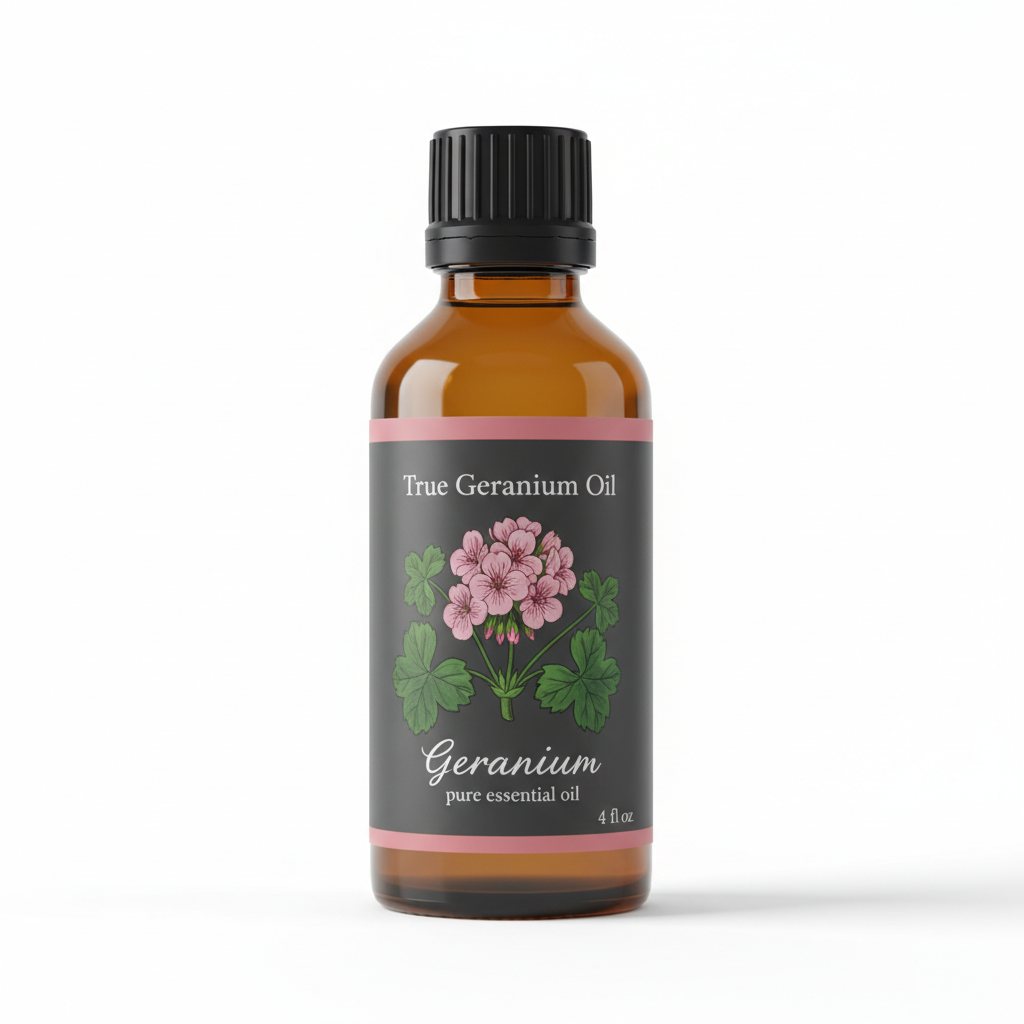
Geranium Essential Oil
Our own Geranium Essential Oil, in sizes from 0.5 oz to bulk.
From $15.99
Shop Now →We cover the quality indicators that actually matter, how to compare suppliers side by side, the pricing landscape across common bulk sizes, and the red flags that signal a supplier is not worth your time or money.

Why Geranium Oil Sourcing Gets Complicated at Scale
At the retail level, a reputable brand has already done the quality vetting for you. At wholesale volumes, that layer of protection disappears. You are dealing directly with distillers, trading companies, or distributors who range enormously in their standards.
Geranium oil is also a botanically complex product. The name covers several distinct origins and chemotypes. Pelargonium graveolens from Egypt, Madagascar, China, and South Africa each produces oil with a different aromatic profile and different levels of key constituents such as citronellol, geraniol, and linalool. A bulk geranium essential oil listed simply as "geranium oil" without origin disclosure is already a yellow flag before you have even checked the price.
For a detailed breakdown of how these types differ, see our guide on rose geranium vs. geranium oil: same plant, different bottle.
Quality Indicators: What to Look For
1. Gas Chromatography / Mass Spectrometry (GC/MS) Reports
Any serious bulk geranium oil supplier should provide a GC/MS report, either on request or as a standard document attached to each lot. This report confirms the chemical composition of the oil and allows you to verify that key markers (citronellol, geraniol, linalool, isomenthone) fall within expected ranges for the declared origin.
Do not accept a generic certificate that says "100% pure" without the underlying data. That phrase costs nothing to print on a label. GC/MS data is objective and lot-specific.
2. Batch-Specific Certificates of Analysis (COA)
A COA should list the botanical name, country of origin, plant part, extraction method (steam distillation), specific gravity, refractive index, optical rotation, and organoleptic description. Each of these values should match the expected range for that origin. A supplier who cannot produce a batch-specific COA is sourcing without traceability.
3. Country and Region of Origin
Egyptian geranium oil (sometimes called Bourbon-style from the Nile Delta region) is widely regarded as the benchmark for perfumery and cosmetic use. It tends to have a rosy, slightly sweet character. Madagascar oil is closely comparable. Chinese geranium oil is more abundant and less expensive but often has a mintier, greener profile due to higher isomenthone content. South African varieties occupy a middle ground.
For wholesale purchasing, knowing the origin matters because your downstream customers and formulation briefs may specify one over another.
4. Organic Certification
USDA Organic or ECOCERT certification requires documented supply chain audits. For bulk buyers supplying certified organic product lines, this is non-negotiable. Organic bulk geranium essential oil commands a price premium of roughly 20 to 40 percent over conventional, but it opens doors to a market segment that will not consider uncertified alternatives.
5. Sensory Evaluation
Request a sample before committing to a bulk order. Authentic geranium oil from a quality source has a complex, green-rosy scent with a slightly fruity undertone. It should not smell sharply synthetic, overly minty, or flat. If a price seems too good to be true and the sample smells thin or harsh, the oil has likely been adulterated with cheaper materials such as citronella fractions or synthetic geraniol.

Bulk Sizes and What They Signal
| Size | Typical Buyer | Notes |
|---|---|---|
| 100ml to 500ml | Small-batch formulators, indie brands | Often sold as "wholesale" by retail-adjacent suppliers. Good for sampling and small runs. |
| 1kg (approx. 870ml) | Growing indie brands, soap makers | Common entry point for true bulk pricing. Most suppliers offer per-kilo pricing at this level. |
| 5kg | Mid-size product lines, blenders | Significant per-unit savings begin here. Requires proper dark, cool storage. |
| 25kg drum | Established cosmetic manufacturers | Industrial-scale purchasing. Supplier should provide full technical dossier including MSDS/SDS and IFRA compliance data. |
| 100kg to 200kg drum lots | Large manufacturers, distributors | Direct distillery relationships are common at this scale. Minimum order quantities and lead times vary by crop season. |
Storage is a real consideration when buying larger quantities. Geranium oil oxidizes over time when exposed to oxygen, light, and heat. For 5kg and above, purchase nitrogen-flushed containers when available, store in a cool dark environment, and note the recommended shelf life, which is typically 2 to 3 years from distillation date when stored correctly.
Pricing Overview
Prices shift with crop yields, shipping costs, and currency fluctuations. The figures below reflect general market ranges as a reference point, not guaranteed pricing from any specific supplier.
- Conventional Egyptian or Chinese, 1kg: Approximately $40 to $90 USD depending on origin and supplier tier.
- Organic Egyptian or Madagascar, 1kg: Approximately $80 to $140 USD.
- Rose geranium (Bourbon-type), 1kg: Approximately $90 to $160 USD. The "rose geranium" designation typically indicates a higher citronellol and geraniol profile, commanding a premium.
- 5kg lots: Per-kilo price typically drops 10 to 25 percent compared to 1kg pricing.
- 25kg drum: Per-kilo price at roughly 30 to 45 percent below the 1kg benchmark from the same supplier.
Be cautious of pricing that falls well below the lower end of these ranges. Geranium oil requires significant acreage and labor to produce. A price that defies the economics of cultivation almost always indicates adulteration, mislabeling, or substitution with a related but cheaper species.
Top Picks at Different Price Points

Rather than naming specific brands (supplier availability and quality shifts over time), this section describes what a strong option looks like at each tier.
Budget Tier: Chinese Conventional, 1kg to 5kg
Best for formulations where the geranium note is one element among many and exact aromatic character is secondary to cost. Look for suppliers who still provide GC/MS documentation even at this price point. Chinese geranium oil is not inferior by definition; it is simply a different aromatic profile. Confirm isomenthone levels and decide whether they suit your formula.
Mid-Range: Egyptian or Madagascar Conventional, 1kg to 5kg
The sweet spot for most small to mid-size cosmetic and fragrance brands. Egyptian origin delivers the rosy, complex profile most associated with quality geranium oil in Western markets. Suppliers in this tier should offer lot-specific COAs, responsive customer service, and the ability to scale with you as your orders grow.
Premium Tier: Certified Organic Rose Geranium, Any Bulk Size
For certified organic product lines or perfume-grade formulations where botanical integrity is part of the brand story. Expect to pay more, but also expect full documentation, direct or near-direct sourcing relationships, and a more consistent aromatic profile across lots. Some suppliers at this tier offer reserve batches distilled from wild-harvested or single-estate crops.
Red Flags to Avoid
- No GC/MS report available. This is the single most important document in essential oil commerce. A supplier who cannot or will not provide one is not operating at a professional level.
- "Geranium oil" with no botanical name listed. The label should state Pelargonium graveolens or the accepted synonym for the specific variety. Generic "geranium oil" with no Latin name is a sourcing red flag.
- Pricing below cost of production. Research what a realistic market price is before you shop. A deal that seems extraordinary almost certainly is.
- No sample policy. Any wholesale geranium oil supplier worth working with will provide a sample before you commit to a kilo or more. No sample, no order.
- Vague or shifting origin claims. If a supplier lists "Egypt or Madagascar" interchangeably depending on availability without informing you, your formulation consistency is at risk.
- No Safety Data Sheet (SDS) available. For commercial purchasing, an SDS is a legal and practical requirement in most markets. Its absence suggests the supplier is not set up for professional trade.
- Unrealistic shelf life claims. Geranium oil does not last indefinitely. If a supplier claims a 5-year shelf life with no refrigeration, question it.
Where to Buy Wholesale Geranium Oil
The landscape of geranium oil suppliers falls into four broad categories, each with trade-offs.
Direct Distillers and Co-ops
Buying directly from a distillery or farmer co-op (common in Egypt and Madagascar) offers the best pricing, freshest oil, and strongest traceability. The challenges are minimum order quantities that may be large, longer lead times tied to harvest seasons, and import logistics that require experience to navigate.
Specialist Essential Oil Wholesalers
Companies that focus exclusively on essential oils typically offer the strongest documentation, the widest range of origins, and responsive technical support. They source from multiple distillers and hold stock for faster fulfillment. This is the most practical channel for most small to mid-size buyers of bulk geranium essential oil.
General Ingredient Distributors
Larger ingredient houses that supply the cosmetics industry often carry geranium oil as one of hundreds of items. Pricing can be competitive at volume, but staff expertise in essential oils is sometimes limited. Always ask specifically for the GC/MS report and verify origin documentation independently.
B2B Marketplace Platforms
Platforms such as Alibaba or similar trade marketplaces allow direct contact with producers globally. The due diligence burden falls entirely on the buyer. Request third-party testing of any sample before placing an order. Success with these platforms depends on asking the right verification questions upfront.
For more guidance on evaluating labels and supplier claims before you buy, our article on where to buy rose geranium oil: shops, labels, and checks walks through the key verification steps in detail.
Building a Supplier Relationship That Scales
The best wholesale partnerships are built over time. Start with a small trial order, even if the per-unit cost is higher at that size. Verify the documentation, evaluate the oil against your specifications, and test it in your formulation. If everything checks out, increase the order and negotiate volume pricing.
Good geranium oil suppliers will remember your preferences, flag crop variability before it affects your order, and sometimes offer reserve lots to long-term customers. That kind of relationship is worth more than squeezing the last few dollars per kilo on a one-time transaction with an unknown source.
Before you commit to any supplier at scale, it is also worth reading our complete guide to buying geranium oil by type, which covers the full spectrum from retail to bulk and helps you align the right variety with your specific application.
A Final Note on Documentation
When purchasing bulk geranium essential oil for use in products sold to consumers, maintain a complete documentation file for every lot you receive. This should include the COA, GC/MS report, SDS, and any organic or fair-trade certificates. Regulations in the EU, US, and other major markets increasingly require ingredient traceability. Building that habit from the beginning protects your brand and gives you a clear record if a quality question ever arises.
Wholesale purchasing rewards buyers who ask precise questions and verify answers with documentation. The geranium oil market has excellent suppliers at every price point. The skill is learning to tell them apart.