How to Use Geranium Oil: Dilution, Carriers, and First Steps
Geranium essential oil has a lot going for it. The scent is rosy and green at once, it blends well with dozens of other oils, and it's gentle enough for most adults to use daily in a properly diluted formula. But if you've just bought your first bottle, the gap between "I have this oil" and "I know what to do with it" can feel wider than it should.
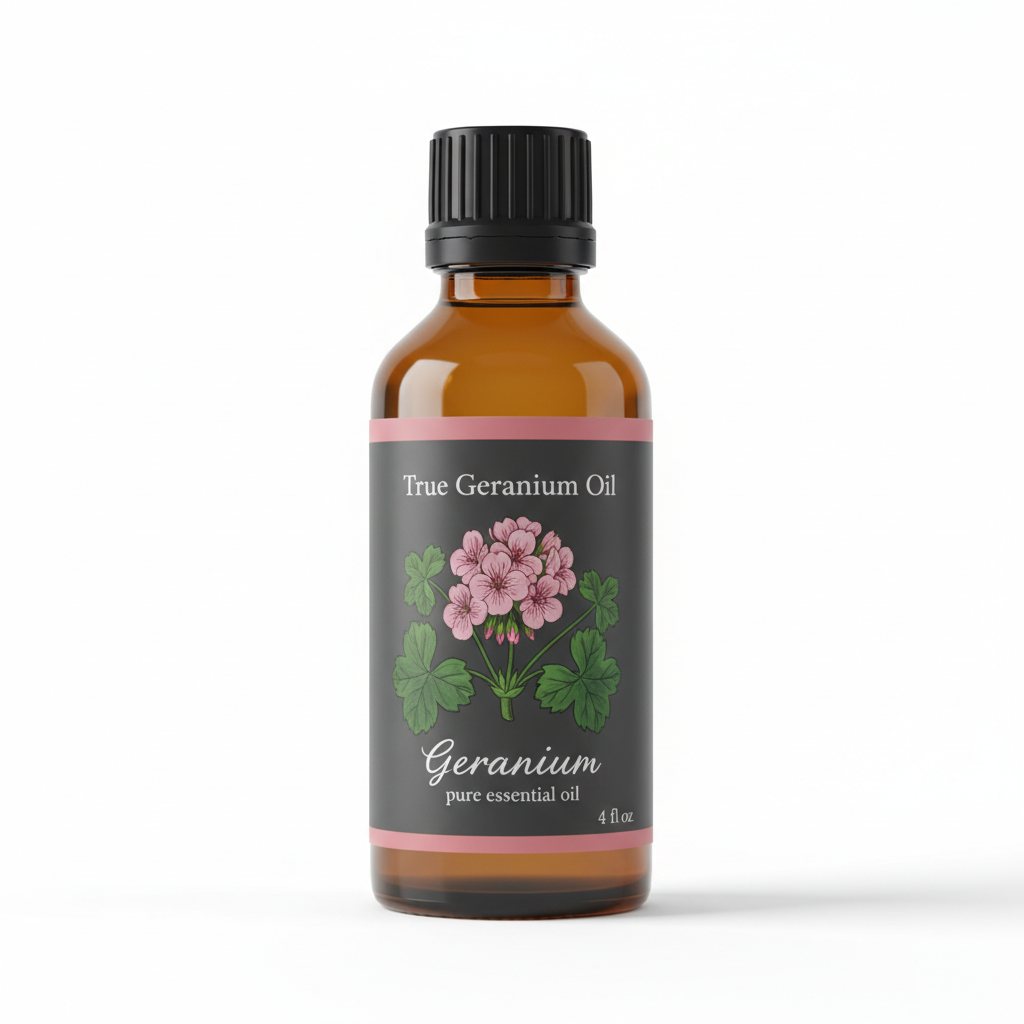
Geranium Essential Oil
Our own Geranium Essential Oil, in sizes from 0.5 oz to bulk.
From $15.99
Shop Now →This guide walks you through exactly what you need, how to dilute geranium oil correctly, which carriers work best, and the small details that separate a pleasant experience from a frustrating one. No prior aromatherapy experience required.
If you'd like deeper background on the plant and its profile before diving into the practical steps, the complete guide to geranium oil is a good starting point.
What You'll Need
Gathering your materials before you start makes the process much smoother. Here's a practical list for a beginner's first blend.
Essential Supplies
- True geranium essential oil (Pelargonium graveolens or Pelargonium x asperum, sourced from a reputable supplier with GC/MS testing available)
- A carrier oil (jojoba, sweet almond, fractionated coconut oil, or rosehip, more on choosing below)
- Small glass mixing bottles (10 ml or 30 ml amber or cobalt glass rollerball or dropper bottles work well)
- A pipette or dropper for measuring essential oil drops accurately
- A clean surface and paper towels for any spills
- A notebook or label maker to record your formula and date
Optional but Useful
- A small digital scale for measuring carrier oil by weight instead of volume
- pH strips if you plan to add geranium oil to water-based products (an emulsifier will be needed)
- Unscented lotion or cream base if you prefer a lotion format over a straight oil blend
One thing worth noting: geranium essential oil does not mix directly with water. It is oil-soluble. Any recipe that asks you to add drops to a spray bottle of water will leave the oil floating on top unless a proper dispersant or emulsifier is included. Keep that in mind early and you'll avoid a common beginner pitfall.
Understanding Geranium Oil Dilution
Proper geranium oil dilution is the single most important concept in this whole guide. Essential oils are highly concentrated plant extracts. Using them undiluted on skin is not recommended and can cause sensitization, which means your skin may develop a reaction not just this time, but every time you use the oil in the future.
Dilution is measured as a percentage of essential oil drops relative to the total volume of your finished blend.
Standard Dilution Rates for Geranium Oil
| Use Case | Dilution Rate | Drops per 10 ml Carrier |
|---|---|---|
| Daily facial application | 0.5% to 1% | 1 to 2 drops |
| General body use (adults) | 2% | 4 drops |
| Occasional targeted use (adults) | 3% | 6 drops |
| Diffuser blend (no skin contact) | N/A (neat drops in water) | 3 to 6 drops per 100 ml water |
| Older adults and those with sensitive skin | 0.5% to 1% | 1 to 2 drops per 10 ml |
These figures align with guidelines from the International Fragrance Association (IFRA) and general aromatherapy safety standards. Geranium oil is listed with a dermal limit of around 17.5% in leave-on products by IFRA, which is quite generous, but staying at 2% or below for daily use is sensible practice.
A standard drop from a typical essential oil orifice reducer is approximately 0.05 ml. So 4 drops equals roughly 0.2 ml. This is worth knowing if you ever want to scale a formula up.
Choosing Your Carrier Oil

The geranium carrier oil ratio matters, but so does the carrier itself. Different base oils bring different textures, absorption rates, and shelf lives to your blend. Here's a quick comparison of the most practical options.
Jojoba Oil
Technically a liquid wax rather than an oil, jojoba is shelf-stable, nearly odorless, and absorbs without a heavy feel. It's a strong all-purpose choice for facial blends and rollerball applicators. Its long shelf life means your geranium blend won't go rancid quickly.
Sweet Almond Oil
Light, slightly nutty in scent, and widely available. It absorbs reasonably well and works nicely for body blends. Note that it is expressed from almonds, so anyone with a tree nut sensitivity should choose a different carrier. Shelf life is shorter than jojoba, roughly 12 months.
Fractionated Coconut Oil
This is the liquid form of coconut oil, with the long-chain fatty acids removed. It's lightweight, clear, virtually odorless, and very shelf-stable. A good entry-level carrier because it's easy to find and inexpensive.
Rosehip Seed Oil
Rich, slightly nutty, and packed with naturally occurring fatty acids. It suits evening routines well. The scent is more noticeable than jojoba or fractionated coconut, so keep that in mind when building a blend. Shelf life is shorter (around 6 months), and it benefits from refrigeration.
Step-by-Step: Your First Geranium Oil Blend
The following instructions walk through making a simple 10 ml rollerball blend at a 2% dilution. This is a practical starting point for anyone new to working with geranium essential oil.
-
Step 1: Clean and dry your tools
Wipe down your dropper, funnel (if using), and the outside of your bottle with a clean cloth. Any residual water can introduce bacteria into your blend over time. This step takes thirty seconds and is worth doing.
-
Step 2: Calculate your drops
For a 10 ml bottle at 2% dilution, you need 4 drops of geranium essential oil. Write this down before you open any bottles. It's easy to lose count once you start.
-
Step 3: Add the essential oil first
Drop your 4 drops of geranium oil directly into the empty rollerball bottle (with the rollerball top removed). Adding the essential oil before the carrier makes it easier to mix thoroughly, since the small amount of essential oil won't get trapped at the top of a full bottle.
-
Step 4: Fill with carrier oil
Pour your chosen carrier oil into the bottle until it reaches just below the shoulder of the bottle. Leave a small amount of space so the rollerball insert fits without overflow. A small funnel or pipette helps with accuracy here.
-
Step 5: Secure the rollerball and cap
Press the rollerball insert firmly into the neck of the bottle. You should hear or feel a slight click. Cap the bottle and then roll it gently between your palms for about 20 seconds to encourage mixing.
-
Step 6: Label immediately
Write the date, the oil (geranium, 2%), and the carrier on your label before you set the bottle down. Memory is unreliable. Blends stored past their carrier oil's shelf life can degrade and should be discarded.
-
Step 7: Patch test before full use
Apply a small amount to the inside of your wrist or the crook of your elbow. Wait 24 hours before applying to a larger area. This is a standard precaution for any new topical product, regardless of how gentle the ingredients appear.
-
Step 8: Apply to pulse points or skin as desired
Once you've confirmed no reaction, roll the blend onto wrists, the back of the neck, or the décolletage. A light touch is all you need. Geranium oil has a strong sillage, meaning the scent carries well even from a small amount.
Using Geranium Oil in a Diffuser
Diffusion is a straightforward way to experience geranium oil without any skin preparation. Add 3 to 6 drops to your diffuser's water reservoir and run it in short sessions of 30 to 60 minutes at a time. Continuous diffusion in an unventilated room is not recommended.
Geranium blends well in the diffuser with lavender, bergamot, cedarwood, and frankincense. The rosy-green character of geranium tends to soften sharper citrus notes and warm up woodier profiles.
If you share your space with pets, please read the pet and household safety guide before diffusing. The considerations for cats and dogs are specific and worth understanding before you run your first session.
Common Mistakes to Avoid
- Skipping the patch test. Even at correct dilution rates, individuals can have reactions to specific plant compounds. The patch test step is not optional.
- Using undiluted oil directly on skin. Sometimes called "neat" application. It is not appropriate for routine use with geranium oil, regardless of what a label may suggest.
- Assuming all geranium oils are identical. Pelargonium graveolens from Egypt and Pelargonium x asperum from Reunion Island (Bourbon geranium) have different aromatic profiles and slightly different constituent makeups. If your blend smells different from what you expected, the origin of the oil may be a factor.
- Ignoring sun exposure after application. Geranium oil is generally not considered phototoxic in the way that cold-pressed citrus oils are, but it's worth reading the nuanced detail on this. The article on geranium oil and phototoxicity covers what the reference literature actually says.
- Storing blends in plastic. Essential oils can degrade certain plastics over time. Glass or high-density polyethylene (HDPE) containers are the appropriate choice for storage.
- Forgetting to account for multiple products. If you use several DIY blends in a day, the total essential oil exposure adds up. Calculate your cumulative dilution, not just individual product rates.
What to Expect
At 2% dilution in jojoba, a geranium rollerball will feel light on the skin with no greasy residue. The scent is immediately rosy and slightly green, sometimes described as reminiscent of rose with an herbal edge. It tends to settle and become softer within 15 to 20 minutes of application.
People who use geranium oil in evening routines often report that the scent contributes to a sense of calm and wind-down atmosphere. This is a personal and subjective experience, and individual responses to fragrance vary considerably.
Diffused geranium may support a pleasant, floral ambiance in a room without being overpowering at moderate drop counts. Start at 3 drops and adjust from there based on your preference and room size.
If you experience any redness, itching, or discomfort during the patch test or after application, discontinue use and consult a qualified healthcare provider.
A Note on Quality
The quality of your geranium essential oil determines a great deal about your experience with it. Look for suppliers who provide GC/MS (gas chromatography/mass spectrometry) test results, disclose the botanical species and country of origin, and store their oils properly. A bottle with no lot number, no species name, and a very low price point warrants closer scrutiny before purchase.
The scent of a high-quality geranium oil is complex: rosy, yes, but also green and slightly minty, with depth that shifts as it dries down. An adulterated or low-quality oil may smell flat, harsh, or overly sharp. Trust your nose, but pair it with sourcing diligence.
Working carefully with your materials, following dilution guidelines, and taking the patch test seriously puts you in a strong position to build a lasting and enjoyable practice with geranium essential oil.