Geranium and Quiet Evenings: A Wind-Down Scent Ritual
Some scents arrive in your awareness like a slow exhale. Geranium essential oil is one of those. Rosy, green, faintly earthy, it sits somewhere between the garden and the apothecary shelf, familiar enough to feel grounding and complex enough to hold your attention. For people who take their evening routines seriously, this quality makes it a compelling candidate for a deliberate scent ritual.
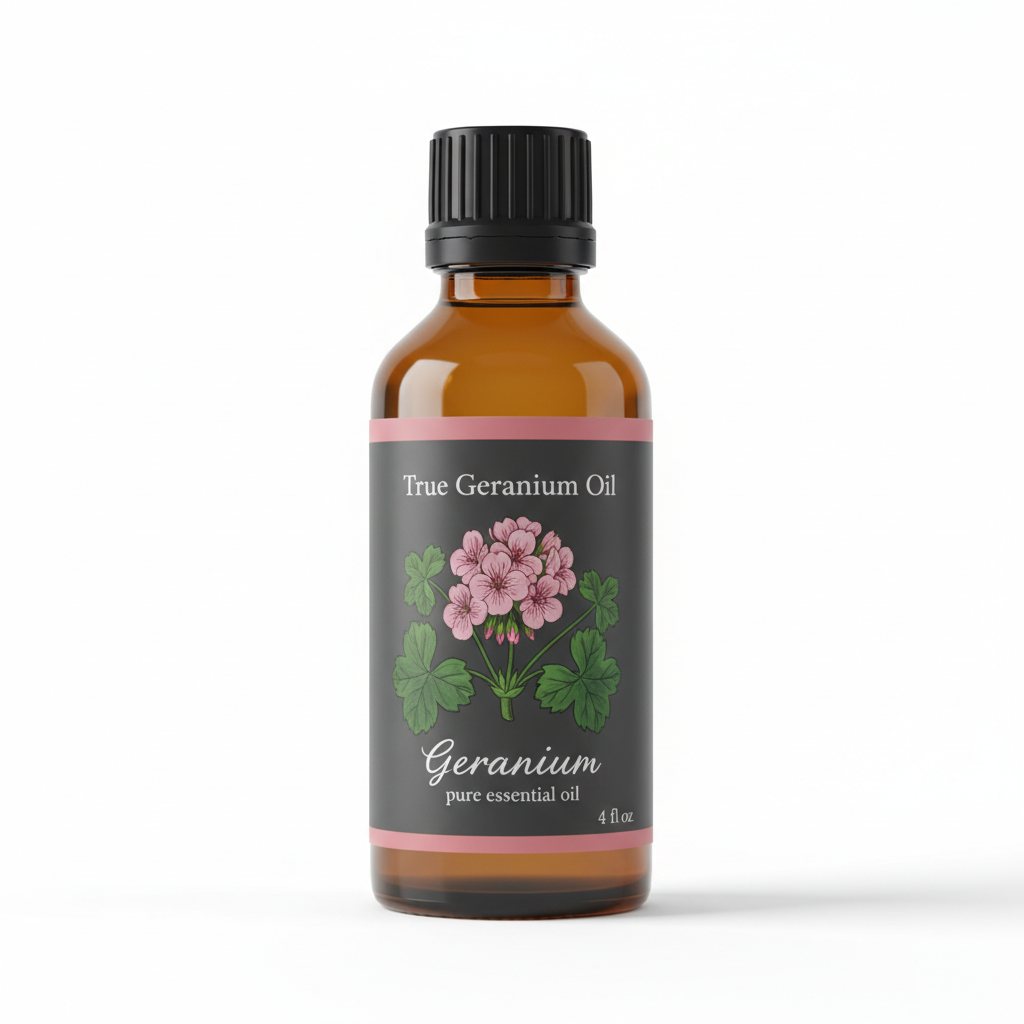
Geranium Essential Oil
Our own Geranium Essential Oil, in sizes from 0.5 oz to bulk.
From $15.99
Shop Now →This case study explores how one structured approach to using geranium oil in the evening hours was built, what was observed over several weeks, and what those observations might mean for anyone curious about calming floral oils and how they interact with a wind-down environment. Nothing here is a medical claim. This is an exploration of scent, atmosphere, and personal experience, framed with the care that a plant this nuanced deserves.
The Context: When Evenings Feel Like a Continuation of the Day
The problem is a familiar one. The workday ends, but the mental noise does not. Screens stay on. Notifications continue. The body is in the bedroom but the mind is still composing emails. For many people, this gap between physical stillness and mental quiet is where a sensory ritual can serve as a kind of punctuation mark. A signal, not a solution.
Scent is unusually well-positioned for this role. The olfactory system has a more direct pathway to the limbic region of the brain than most other senses, which is why a specific smell can shift your internal state faster than a song or a photograph. This is not a claim that geranium oil changes brain chemistry in any measurable clinical sense. It is simply an observation about how scent works, and why people across cultures have long used aromatic plants as part of evening and ceremonial practices.
Geranium (Pelargonium graveolens) has a particular history in this space. Its association with calm, feminine, and spiritually grounding qualities is woven through European folk traditions, Victorian floral symbolism, and contemporary aromatherapy practice. If you want a deeper look at its full range of uses, the complete guide to geranium oil uses for skin and home covers the broader picture. For now, the focus is on the evening context specifically.
The Approach: Building a Repeatable Scent Ritual
The structure here matters. A ritual is not the same as occasionally sniffing something pleasant. A ritual is intentional, repeatable, and bounded by specific cues that train the nervous system over time to associate a stimulus with a particular state. Think of it as choreography for the senses.
The ritual described below was developed and observed over approximately six weeks, with adjustments made in the second and fourth weeks based on what was working.
Phase One: Setting the Boundary (Weeks 1 and 2)
The first step was establishing a clear start time: 8:30 PM, no earlier, no later. This specificity was deliberate. Rituals built around vague intentions tend to dissolve. The scent needed a consistent anchor in time.
A cold-air ultrasonic diffuser was used, positioned about four feet from the bed. The initial blend was simple:
- 4 drops rose geranium (Pelargonium graveolens)
- 2 drops cedarwood (Juniperus virginiana)
- 1 drop vetiver (Vetiveria zizanoides)
Water volume: 100 ml, per the diffuser's standard fill line. The diffuser ran for 30 minutes, then shut off automatically.
During those 30 minutes, screens were put away. A single lamp with a warm bulb stayed on. The chosen activity was either reading or journaling. No podcasts, no music with lyrics.
Initial observations in week one were modest. The scent was pleasant. The room smelled noticeably different from its usual neutral state, which itself felt like a signal. By the end of week two, there was a reported sense that entering the room after 8:30 PM with the diffuser running felt qualitatively different from entering it at other times. Whether that was the oil, the routine, or simply the act of dimming the lights and putting the phone down is genuinely difficult to untangle.
Phase Two: Refining the Blend (Weeks 3 and 4)
In week three, a topical element was added. A 2% dilution of rose geranium in a fragrance-free jojoba carrier was applied to the wrists and the back of the neck as a kind of anointment step, done immediately after the diffuser was switched on. This created a layered scent experience: ambient diffusion in the room plus a closer, more personal scent on the skin.
Standard safety notes apply here. A patch test was done 24 hours before beginning topical use. Geranium oil is generally considered well-tolerated at proper dilution, but individual responses vary. Anyone with sensitive skin or a history of contact reactions to botanicals should approach topical use carefully and consult a qualified professional before starting. If you are curious about how geranium interacts with skin more broadly, the article on geranium oil for skin with rosy botanical notes offers a grounded starting point.
The layered approach produced a more immersive experience. The wrist application, in particular, meant that any movement during reading brought the scent briefly into focus again, reinforcing the ritual's sensory consistency.
Week four introduced a minor variation: the vetiver was swapped for Roman chamomile. The result was noticeably lighter and more floral, less earthy. For some evenings this worked beautifully. For others, the weightlessness of the blend felt less effective as a wind-down cue. This variation suggested that the grounding quality of the original vetiver addition was doing meaningful work in the blend's overall character.
Phase Three: Observing Patterns (Weeks 5 and 6)
By weeks five and six, the ritual had settled into a consistent form. The original three-oil blend was reinstated. What became observable during this period was less about the scent itself and more about what happened in its absence.
On two evenings when the ritual was skipped due to travel, the evenings felt notably less bounded. The transition from daytime mode to rest mode was slower and less defined. This is anecdotal. It describes a subjective experience, not a measured outcome. But it was consistent enough to note.
People who work with geranium essential oil spiritual benefits in traditional or holistic contexts often speak about the oil's quality of creating psychic and emotional softness. This language is metaphorical, not medical. What it points to, practically, is the oil's rosy, rounded scent profile and how that profile tends to invite a slower pace of breathing and a less vigilant posture. The ritual seemed to support that quality of presence.
Key Observations and What They Suggest
Drawing out the most useful observations from this six-week exploration:
Consistency Mattered More Than Intensity
Using four drops of geranium in a diffuser every night at the same time appeared to be more effective as a ritual cue than using larger amounts irregularly. Scent conditioning, when it works, seems to reward repetition over volume.
The Ritual Container Was as Important as the Oil
The scent alone, without the accompanying behaviors (no screens, dim light, quiet activity), produced less of a wind-down effect when tested on its own. The oil functions best as part of a structured container, not as a standalone shortcut.
Blend Complexity Affected the Experience
Geranium on its own is lovely. Paired with a woody base note like cedarwood and a root note like vetiver, it becomes something more layered and atmospherically complete. The floral top note opens, the wood grounds it, and the root anchors the whole composition to something that feels settled rather than simply sweet.
The Evening Scent Ritual Created a Measurable Atmospheric Shift
Visitors to the space on diffuser evenings consistently noted that the room smelled different in a way they described as calm or like a spa, without being prompted. This informal observation suggested that the scent was doing perceptible atmospheric work, not just personal psychological work.
A Note on Oil Quality and Sourcing
None of this works well with a poor-quality oil. Synthetic geranium fragrance oils and low-grade steam distillates can smell sharp, chemical, or one-dimensional in ways that actively undermine a relaxing atmosphere. For a ritual built around scent quality, the sourcing of the oil is not a small detail.
Look for oil that lists the full botanical name (Pelargonium graveolens or Pelargonium x asperum) and specifies the country of origin. Egyptian and South African geranium oils are the most widely available in quality grades. Bourbon geranium from Reunion Island tends to command a premium for its particularly rich, rosy character and is worth seeking out if your budget allows.
One thing worth knowing: geranium oil has a surprisingly wide range of uses beyond the diffuser. From room sprays to skin blends to linen mists, the oil's versatility means a quality bottle earns its keep. For context on the broader landscape, the complete guide to geranium oil uses is a helpful reference. And if you spend time outdoors and have seen claims about geranium and insects, the article on rose geranium oil and ticks offers an honest look at what the evidence actually says.
How to Build Your Own Geranium Wind-Down Ritual

If you want to try this for yourself, here is a simple starting framework based on what worked in the exploration above.
What You Will Need
- One quality rose geranium essential oil
- One ultrasonic or cold-air diffuser (avoid heat-based diffusers, which can alter the scent profile)
- Optional: a carrier oil for topical dilution (jojoba, sweet almond, or fractionated coconut work well)
- A consistent start time you can protect
A Simple Starting Blend
| Oil | Drops (per 100 ml water) | Role in the Blend |
|---|---|---|
| Rose Geranium | 4 | Floral top note, primary character |
| Cedarwood | 2 | Woody mid note, structural warmth |
| Vetiver | 1 | Earthy base note, grounding depth |
Safety Reminders
- For topical use, dilute to 2% or lower in a carrier oil. That is roughly 12 drops of essential oil per 30 ml of carrier.
- Always perform a patch test 24 hours before applying a new blend to larger skin areas.
- Keep essential oils away from children and pets.
- If you are pregnant, nursing, or managing any health condition, consult a qualified healthcare provider before using essential oils.
- Do not use citrus-adjacent floral blends on skin that will be exposed to sunlight without checking each individual oil for phototoxicity concerns. Geranium itself is not considered phototoxic, but always verify your full blend.
The Ritual Steps
- Set a consistent time each evening. Protect it.
- Fill your diffuser and add your chosen drops.
- Switch on the diffuser before you begin your chosen quiet activity.
- Optional: apply your 2% topical blend to wrists and the back of the neck as an intentional opening gesture.
- Put screens away or set them to night mode at minimum.
- Spend 30 minutes in reading, journaling, gentle stretching, or simply sitting. Let the scent do its quiet work.
- Repeat on as many consecutive evenings as possible. Consistency builds the association.
What This Exploration Ultimately Offers
A geranium wind-down ritual is not a shortcut to better sleep or a replacement for addressing the root causes of a restless mind. It is something more modest and, in some ways, more honest: a sensory habit that creates a reliable boundary between the busy part of the day and the quiet part.
Geranium oil's floral complexity makes it a compelling choice for this role. Its traditional associations with softness, balance, and what many practitioners describe as the geranium essential oil spiritual benefits of emotional centering give it a cultural weight that simple sweetness alone cannot provide. The scent has history. That history, even experienced unconsciously, contributes to the atmosphere it creates.
The best rituals are the ones you actually keep. Start simple, stay consistent, and let the rose of leaves work gently at the edges of your evening.